Red Flags in Unaudited Projects: How to Spot Risky Blockchain Ventures
Learn how to spot critical red flags in unaudited blockchain projects to avoid fraud and project failure. Expert tips on governance, financial gaps, and 'watermelon' reporting.
Explore Celestia and modular blockchain projects. Learn how TIA separates data availability from execution to solve scalability, featuring DAS, NMT, and the Ginger upgrade.
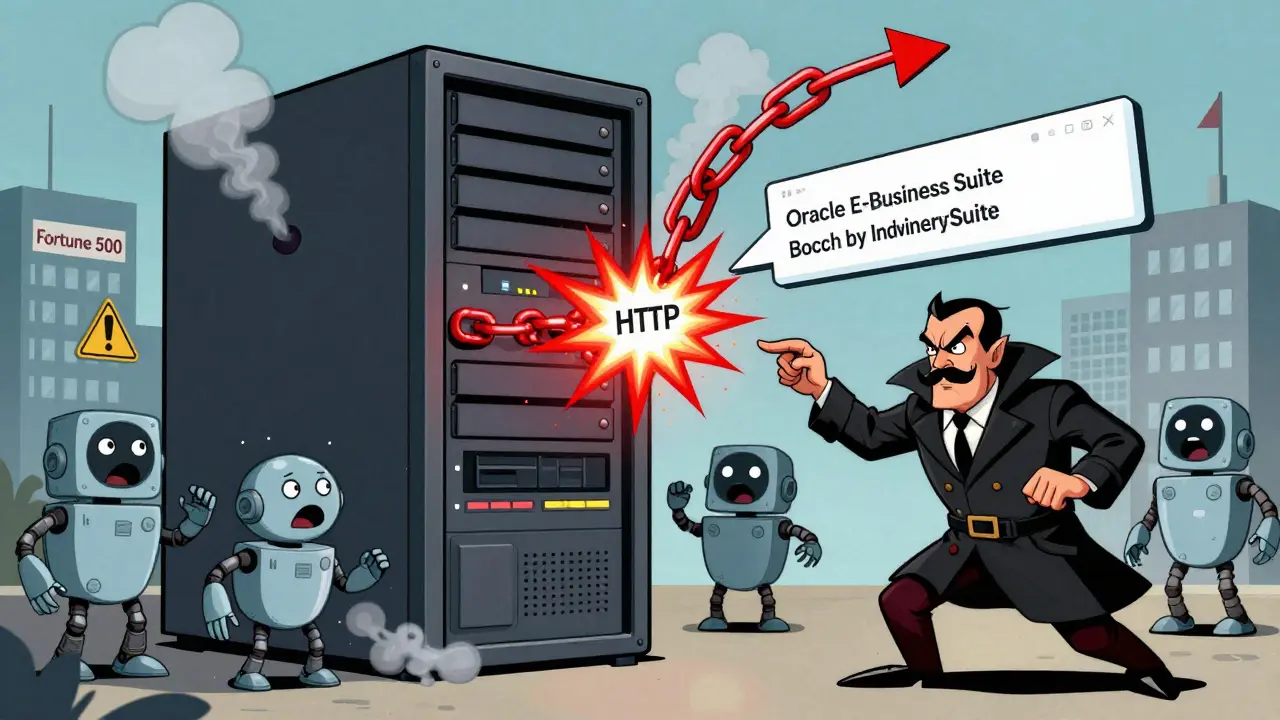
Oracle security flaws like CVE-2025-61882 can manipulate blockchain data by corrupting the external inputs smart contracts rely on. This hidden risk threatens DeFi, supply chain, and insurance dApps - and most users don't even know it exists.
EIP-1559 transformed Ethereum's gas fee system by introducing a predictable base fee, burning transaction fees to reduce ETH supply, and replacing chaotic auctions with transparent pricing. It improved user experience and made ETH deflationary under high usage.
Planned forks help blockchains evolve smoothly - contentious forks split communities and drain value. Learn how Ethereum's upgrades differ from Bitcoin Cash's chaos and why the future belongs to coordinated change.
AI transforms blockchain from a slow, rigid ledger into a fast, self-optimizing system. By 2025, enterprises use this combo to cut fraud, speed up supply chains, and secure data at scale. Here's how it works-and who's winning.
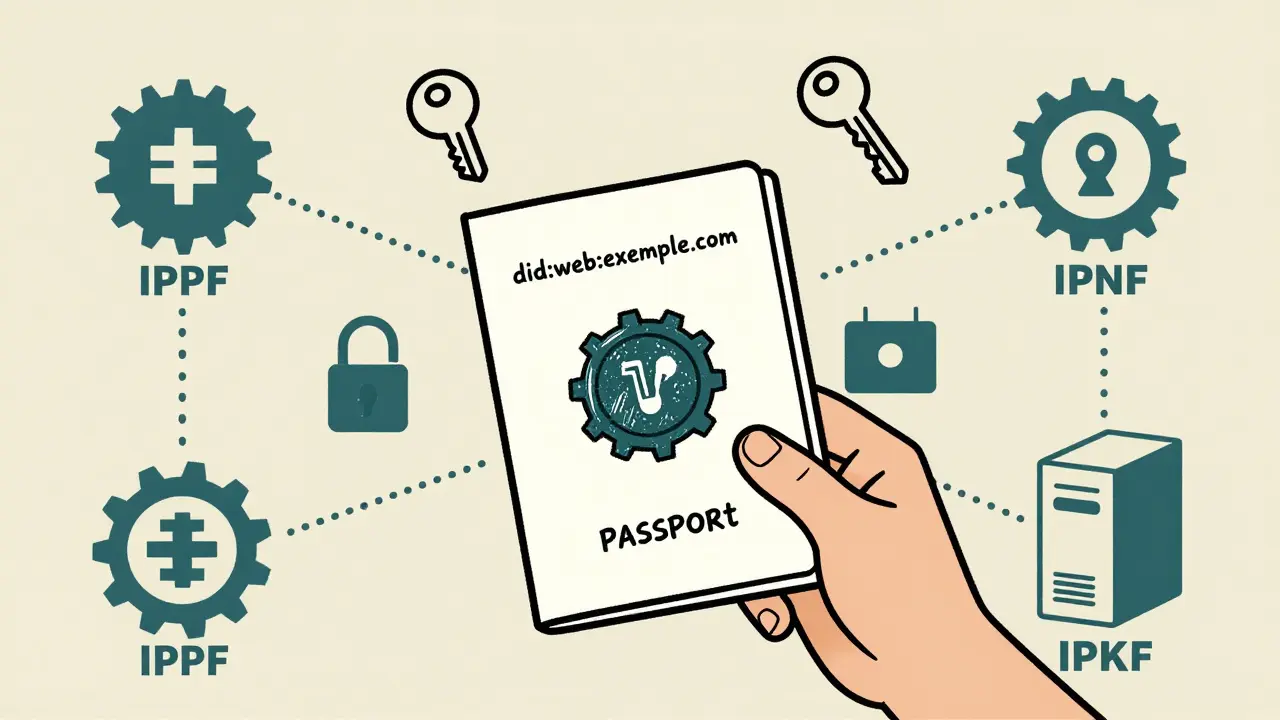
DID standards let you own your digital identity without relying on companies. Learn how Decentralized Identifiers work, their protocols, real-world uses, and why they’re the future of online identity.
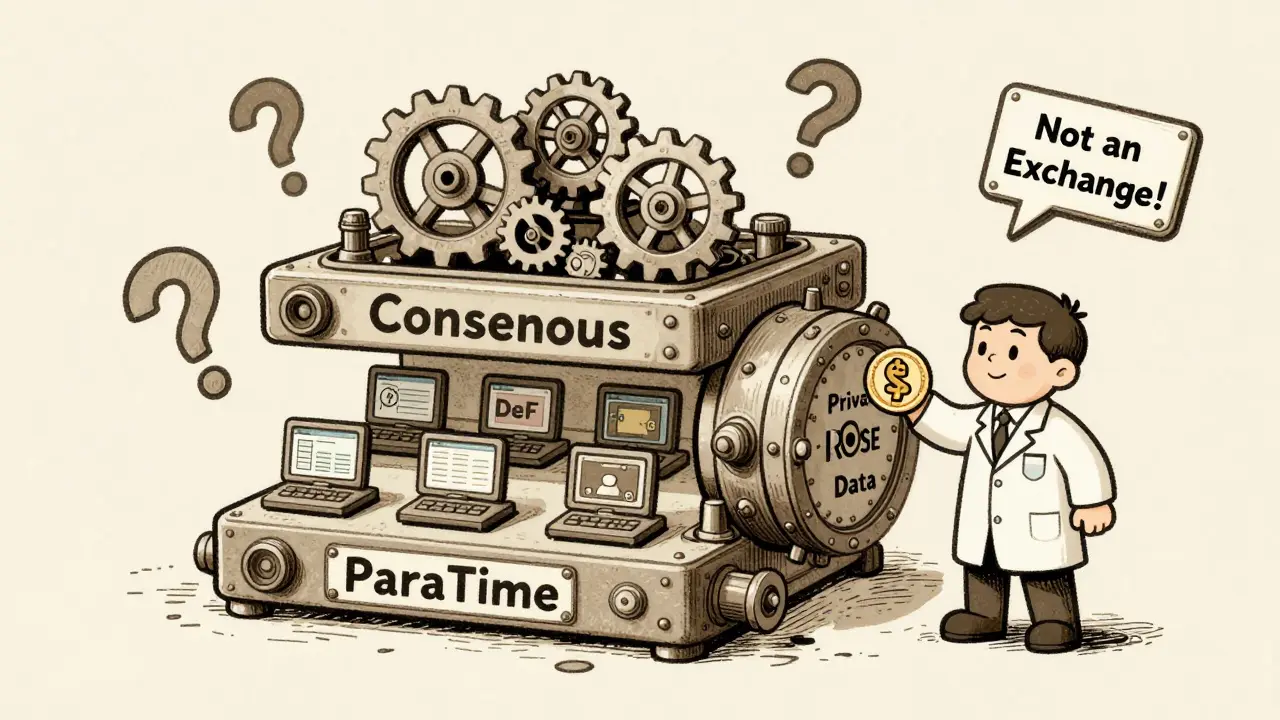
Oasis isn't a crypto exchange-it's a privacy-focused blockchain. Learn how to trade ROSE, stake tokens, use YuzuSwap, and why this network matters for DeFi and healthcare in 2026.
IPFS, Arweave, and Filecoin offer different approaches to decentralized storage. IPFS finds files but doesn’t keep them. Filecoin lets you rent storage with recurring payments. Arweave charges once and stores forever. Here’s how to pick the right one.
Public and private blockchains use completely different security models. Public chains rely on decentralization and cryptography to prevent tampering. Private chains use access control and trust among known participants. Each has strengths and weaknesses depending on your needs.
Blockchain for IP protection gives creators instant, tamper-proof proof of ownership, automates royalty payments with smart contracts, and fights counterfeiting using digital twins. Learn how platforms like Ascribe and KodakOne are changing how creativity is protected.
Digital ownership powered by blockchain lets creators keep control, earn royalties on resales, and build real relationships with fans-bypassing traditional platforms that take most of the profit.