Blockchain: Your Guide to Decentralized Tech
When working with Blockchain, a decentralized ledger technology that records transactions across many computers. Also known as Distributed Ledger, it enables trust‑less exchange without a central authority. NFT, non‑fungible token that represents a unique digital asset on a blockchain and Proof of Work, a consensus mechanism that secures a network by requiring miners to solve computational puzzles are two of the most talked‑about applications today. Blockchain encompasses decentralized ledgers, requires consensus mechanisms, and influences emerging assets like NFTs. These relationships set the stage for the topics covered below.
Why Nodes Matter and How They Boost Decentralization
Running a full node, a server that validates and relays transactions for the whole network is the backbone of a healthy ecosystem. Nodes verify blocks, enforce protocol rules, and keep the network resilient against attacks. When more people run nodes, the system becomes harder to censor, which directly strengthens decentralization. This is why many guides stress the practical benefits of setting up a node, from earning small incentives to contributing to network governance.
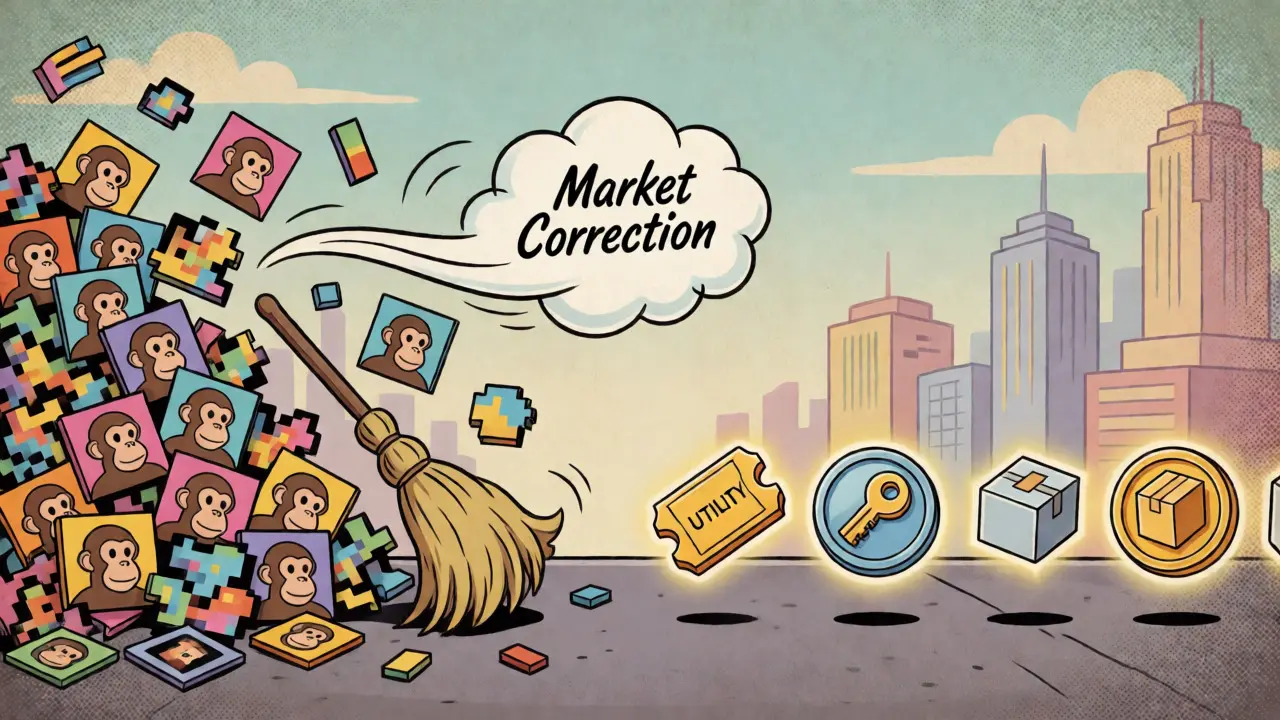
NFTs have turned the art world upside down, but their impact goes far beyond digital collectibles. Cross‑chain NFT marketplaces let creators list assets on multiple blockchains, expanding liquidity and reaching new audiences. Our posts compare leading platforms, break down how smart contracts handle royalty enforcement, and provide a checklist for picking the right marketplace. Understanding on‑chain royalty standards like EIP‑2981 helps creators lock in future earnings, whether their work lives on Ethereum, Polygon, or a royalty‑embedded chain.
Proof of Work still powers the biggest blockchain, Bitcoin, and its security model remains a benchmark for many newer networks. Yet the energy debate keeps the community divided. Recent analyses weigh PoW’s robustness against the efficiency of Proof of Stake, explore hybrid models, and calculate mining profitability in 2025. If you’re curious whether PoW’s security advantages outweigh its environmental costs, our deep dive offers the numbers and the context you need.
Land registry is another area where blockchain shines. By storing property titles on an immutable ledger, governments can cut paperwork, lower fraud risk, and speed up transfers. Smart contracts automate title updates, while decentralized storage ensures records survive any single point of failure. Real‑world pilots in several countries show reduced transaction times from weeks to minutes, and cost savings that can reach millions annually.
Royalty enforcement isn’t limited to art. On‑chain mechanisms let musicians, writers, and developers embed payment rules directly into their tokens. The difference between blocklist and allowlist enforcement determines whether a royalty can be bypassed on certain platforms. Our guide walks through the technical steps, highlights cross‑chain challenges, and points out emerging blockchains that bake royalties into their core protocol.
Social tokens and NFTs often get lumped together, but they serve distinct purposes. Social tokens represent community membership or access rights, while NFTs certify ownership of a specific item. Comparing their technical foundations, use cases, and tokenomics helps you decide which fits your project’s goals. Whether you aim to reward loyal fans or sell a unique piece of media, the right choice can drive engagement and revenue.
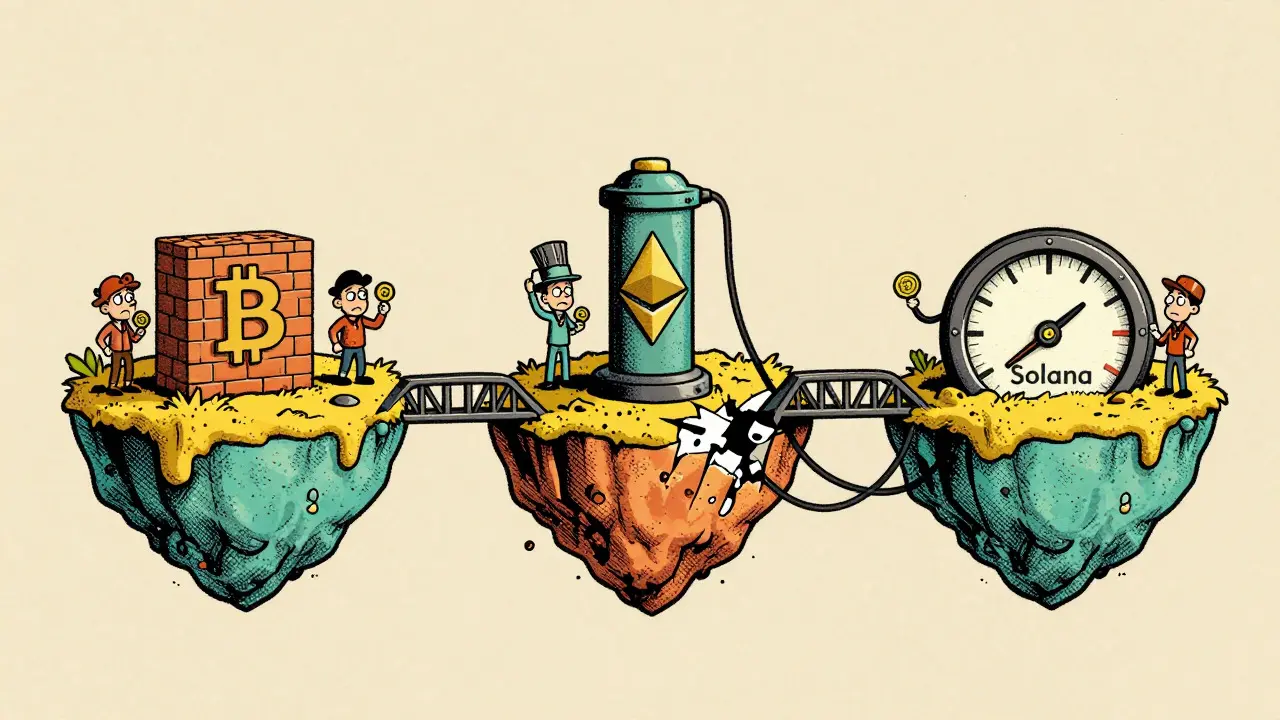
Cross‑chain NFT marketplace support expands the possibilities for creators and collectors alike. Multi‑blockchain trading works by locking an asset on one chain and minting a wrapped version on another, preserving provenance while opening new markets. Our comparison of top platforms covers fees, speed, and user experience, giving you a clear roadmap for multi‑chain strategies.
All these topics—nodes, NFTs, PoW, land registries, royalties, social tokens, and cross‑chain trading—share a common thread: they illustrate how blockchain technology reshapes existing systems and creates fresh opportunities. Below, you’ll find detailed guides, practical checklists, and real‑world case studies that dive deeper into each area. Keep reading to uncover actionable insights, step‑by‑step tutorials, and the latest trends shaping the decentralized future.
Explore the different variations of Proof of Stake consensus mechanisms, including DPoS, Liquid Staking, and NPoS. Learn how each model balances security, decentralization, and efficiency in modern blockchains.
Continue reading