Malta Crypto Tax Guide: How to Legally Pay 0% on Gains
Discover how Malta's non-dom status allows crypto investors to pay 0% tax on gains. Learn residency rules, trading distinctions, and compliance tips.
When you hear Legal & Finance in Crypto, the set of laws, regulations, and financial practices that apply to digital assets and blockchain projects. Also known as crypto legal and financial landscape, it shapes everything from how a token is issued to how a firm reports its earnings.
One of the biggest pieces of this puzzle is Crypto Compliance, the systematic process of meeting KYC, AML, and reporting obligations across jurisdictions. Crypto compliance is more than checking a box; it requires ongoing risk assessments, staff training, and technology that can flag suspicious activity in real time. Another key player is the FATF Greylist, a group of countries flagged by the Financial Action Task Force for weak anti‑money‑laundering controls. Being on the greylist forces crypto firms to apply enhanced due diligence, otherwise they risk being cut off from global markets. Finally, we can’t ignore OFAC Sanctions, U.S. Treasury restrictions that target individuals, entities, or technologies deemed a threat to national security. The recent OFAC action against Tornado Cash showed how a single sanction can ripple through exchanges, DeFi platforms, and even the developers behind a mixer.
Legal & Finance in Crypto encompasses crypto compliance programs, which require robust KYC/AML tools and a clear understanding of regional rules like MiCA in the EU or the CLARITY Act in the U.S. The FATF greylist influences a firm’s risk matrix, pushing companies to adopt stricter monitoring and to keep an eye on cross‑border token flows. Meanwhile, OFAC sanctions affect privacy‑enhancing services such as mixers, forcing developers to consider licensing or to redesign anonymity features. When you combine these forces, you get a dynamic environment where legal teams, finance officers, and compliance officers must speak the same language every day.
So what does that mean for you? If you’re building a new DeFi protocol, you’ll need a compliance roadmap that covers KYC for on‑ramp users, AML checks for large transfers, and a plan for handling potential sanctions. If you run a crypto exchange, you must track which jurisdictions are on the FATF greylist and adjust your due‑diligence procedures accordingly. And if you’re a lawyer drafting a token sale agreement, you’ll want to embed clauses that address the CLARITY Act’s commodity classification and define how disputes will be settled under the prevailing legal framework.
Below you’ll find a curated collection of guides that break each of these topics down into actionable steps. From a 2025 compliance program checklist to an in‑depth look at Tornado Cash sanctions, the articles are designed to give you the context you need before you dive into the specifics. Ready to see how the pieces fit into your own crypto project? Keep scrolling to explore the full range of resources we’ve assembled for the Legal & Finance in Crypto community.
Discover how Malta's non-dom status allows crypto investors to pay 0% tax on gains. Learn residency rules, trading distinctions, and compliance tips.

Institutional crypto adoption is reshaping finance in 2026. Discover how ETFs, regulatory clarity, and corporate treasuries drive market stability and unlock new investment opportunities.

Cryptocurrency is legal in Nigeria as of 2026 but strictly regulated by the SEC under the ISA 2025. Learn about licensing, taxes, and who really calls the shots.

Discover how South Korea's FSC transformed crypto rules by 2026. Learn about the Virtual Asset Basic Law, corporate holdings, ETF approvals, and tax updates.

Navigate Brazil's crypto landscape in 2026. Learn how Law 14.478, the Central Bank, and CVM protect consumers and regulate exchanges.

Portugal's 28% short-term crypto tax applies to gains from assets held under 365 days. Long-term holdings remain largely tax-free, encouraging HODLing. Learn about filing requirements, staking taxes, and how to optimize your portfolio.

Discover why Malta, the 'Blockchain Island,' is a top choice for crypto businesses. Learn about its VFA regulations, tax benefits, and MiCA compliance.

Discover how Malta's Blockchain Island strategy offers crypto businesses regulatory clarity, favorable tax structures, and EU market access. Learn about VFA licenses, MiCA compliance, and practical steps for establishing your venture in this leading Mediterranean hub.

Navigate Canada's complex crypto rules. Learn how provincial laws in BC, Quebec, and Ontario affect mining costs, platform authorization, and taxes in 2026.

Learn the legal status of crypto payments in Russia for 2026. Discover what is banned domestically, how the Experimental Legal Regime works for international trade, and the new fines for non-compliance.
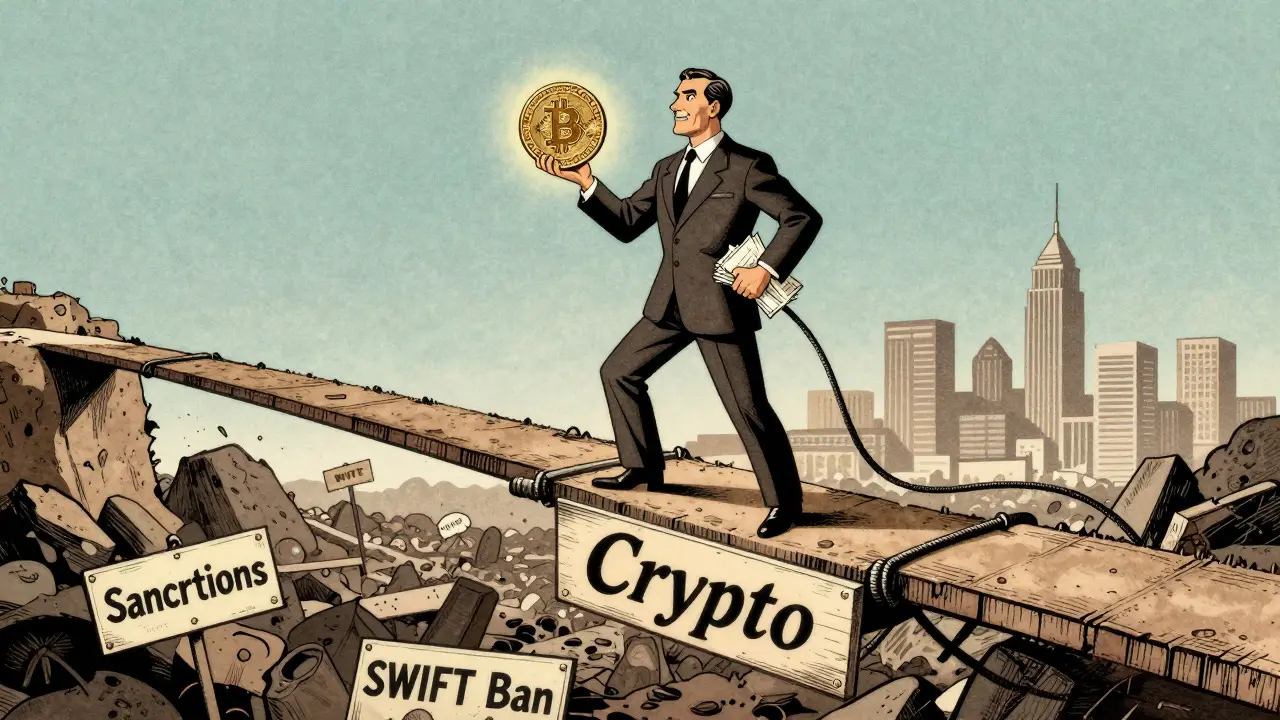
Explore Russia's 2026 crypto regulations under Federal Law No 221-FZ. Learn how businesses can legally use Bitcoin for cross-border trade, the role of stablecoins, and why domestic payments remain banned.

Explore how institutional grade crypto infrastructure enables banks and asset managers to enter digital asset markets with security, compliance, and seamless integration.