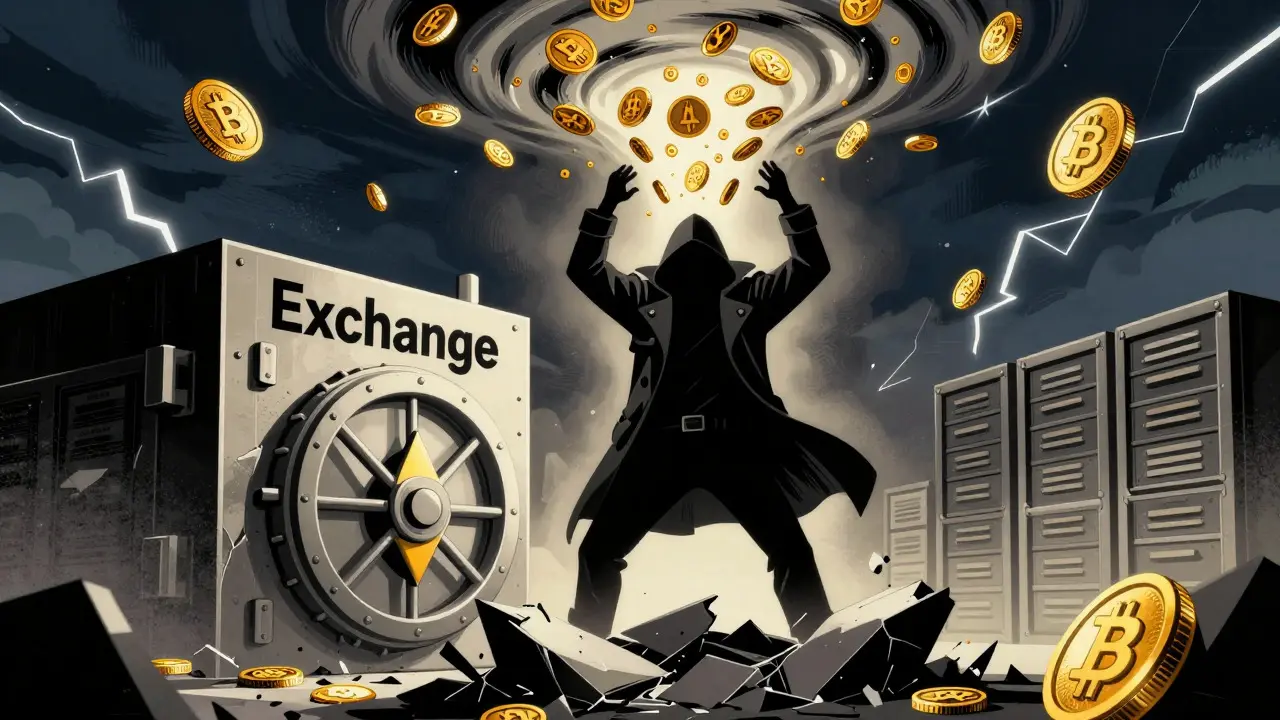
Imagine waking up to news that $1.5 billion in Ethereum has vanished from a major exchange overnight. This wasn't fiction; it was reality in February 2025 when hackers struck Bybit. The culprit? North Korea, specifically its state-sponsored cyber units. For years, Pyongyang has treated the blockchain not as a financial innovation, but as an open vault. Between 2017 and 2023 alone, they stole roughly $3 billion through 58 distinct cyberattacks. With global sanctions tightening their traditional economic lifelines, these digital heists have become essential for funding the regime's nuclear program.
If you are a compliance officer, a security analyst, or just a cautious investor, understanding how to spot these transactions is no longer optional. It is critical. But how do you track money that moves faster than light across decentralized networks? You don't do it alone. You rely on sophisticated blockchain intelligence firms like TRM Labs and a leading private blockchain intelligence firm specializing in tracking illicit flows, alongside tools from Chainalysis and provides specialized tools including Reactor graphs to visualize fund flows. Let’s break down exactly how these experts detect North Korean activity, what techniques they use, and why this matters for your security in 2026.
The Anatomy of a North Korean Crypto Heist
To catch a thief, you first need to know their playbook. North Korean hackers, often operating under clusters like TraderTraitor and a specific North Korean activity focused on stealing digital assets from blockchain organizations, follow a predictable yet highly efficient pattern. They rarely steal Bitcoin directly because it is easier to trace. Instead, they target exchanges holding high volumes of Ethereum or stablecoins.
Once the funds are stolen, the clock starts ticking. The goal is speed and obfuscation. Here is the typical flow:
- Initial Theft: Funds are drained from an exchange hot wallet via a smart contract exploit or social engineering breach.
- Cross-Chain Movement: Assets are quickly moved to alternative networks like Binance Smart Chain or a blockchain network used by North Korean hackers to route stolen assets before conversion or Solana and another network utilized for rapid transaction processing during laundering phases.
- Conversion to Bitcoin: Using decentralized exchanges (DEXs) and cross-chain bridges, the stolen assets are converted into Bitcoin. Bitcoin remains the preferred end-game currency due to its liquidity and widespread acceptance in over-the-counter (OTC) markets.
- Mixing and Layering: The Bitcoin is then sent through mixing services or broken into smaller chunks to confuse trackers.
In the DMM Bitcoin exploit case, for instance, 4,502.9 Bitcoin valued at $305 million was stolen. The funds didn't sit still. They were routed through multiple intermediary addresses before hitting Bitcoin CoinJoin Mixing Services. This layering makes detection difficult, but not impossible.
Key Players in Blockchain Intelligence
You cannot effectively monitor these threats without knowing who is watching. Two firms dominate this space: TRM Labs and Chainalysis. Both offer powerful tools, but they approach the problem slightly differently.
| Feature | TRM Labs | Chainalysis |
|---|---|---|
| Primary Strength | Tracking evolving laundering tactics and cross-chain bridges | Visualization tools (Reactor) and comprehensive attack phase breakdown |
| Detection Focus | Identifying "flood the zone" techniques and speed-based evasion | Mapping fund movements from compromise to final destination |
| Key Tool | TRM Lighthouse / Risk Engine | Chainalysis Reactor |
| Notable Insight | Highlights shift from mixers to automation | Designated the Feb 2025 Bybit hack as the largest theft in history |
TRM Labs specializes in identifying North Korea's shift away from traditional anonymity methods. In the past, hackers relied heavily on mixers like Sinbad, YoMix, Wasabi Wallet, and CryptoMixer. Today, with increased scrutiny on these services and enforcement actions against platforms like Tornado Cash, Pyongyang prioritizes speed. Nick Carlsen, TRM's North Korea expert and former FBI subject matter expert, notes that the regime is intensifying its "flood the zone" technique. This involves overwhelming compliance teams with rapid, high-frequency transactions across multiple platforms.
Chainalysis complements this with its Reactor visualization tools. These tools allow analysts to see the entire journey of stolen funds, breaking down each phase of the attack. In the Bybit case, Chainalysis helped confirm that more was stolen in that single heist than in all 47 cryptocurrency robberies throughout 2024 combined.
The "Flood the Zone" Technique Explained
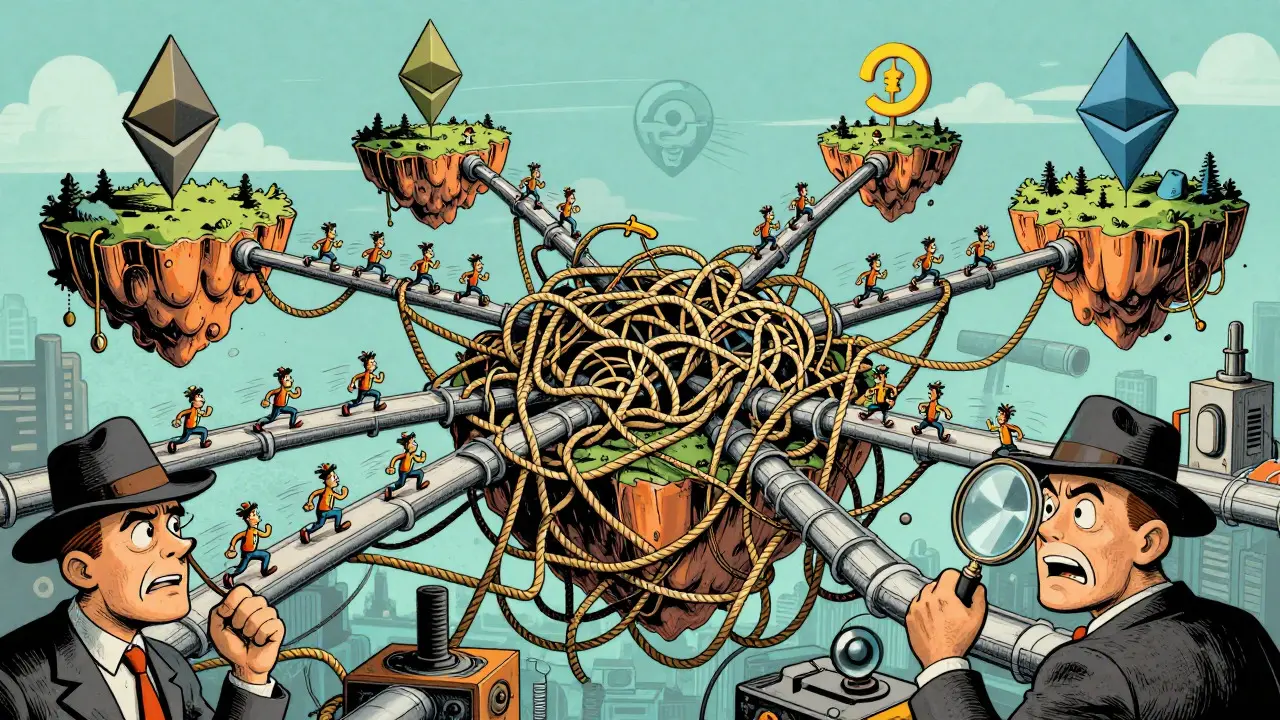
What does "flooding the zone" actually look like? Imagine trying to find a needle in a haystack. Now imagine someone dumping ten thousand needles into the haystack every minute. That is the strategy North Korean hackers employ today.
Instead of slowly moving funds through a few wallets, they automate the process. Stolen funds are split into thousands of micro-transactions, sent across different chains simultaneously, and converted back and forth between tokens. This creates noise. It forces analysts to sift through massive amounts of data, buying the hackers time to move the bulk of the assets to clean wallets.
This technique complicates tracking efforts significantly. Traditional rule-based alerts might trigger false positives or miss the broader pattern. To counter this, detection systems must use machine learning models trained on historical North Korean behavior. These models look for anomalies in transaction velocity, cluster sizes, and bridge usage patterns rather than just known bad addresses.
Common Laundering Vectors and Red Flags
While the tactics evolve, certain red flags remain consistent. If you are monitoring your own platform or analyzing public data, watch for these indicators:
- Rapid Cross-Chain Bridge Usage: Legitimate users rarely move large sums across bridges instantly after a deposit. If you see Ethereum entering a bridge and exiting as Bitcoin within minutes, flag it.
- Interaction with Known Mixers: Although less common now, interactions with services like Sinbad or Tornado Cash are still strong signals. Even if the mixer itself is blocked, new variants emerge frequently.
- High-Frequency Micro-Transactions: A sudden spike in small-value transactions from a single source address often indicates an attempt to fragment the trail.
- OTC Desk Connections: Eventually, the crypto needs to become fiat or physical goods. Look for transfers to wallets associated with online marketplaces tied to entities like the Huione Group, which has been exposed as facilitating cybercrimes through its Huione Guarantee marketplace.
- Stationary Large Balances: After the initial chaos, large portions of converted Bitcoin often sit stationary in specific wallets. This suggests preparation for large-scale liquidation or further obfuscation through OTC networks.
In the DMM Bitcoin case, the $305 million loss led to operational shutdowns. DMM Bitcoin closed operations and transferred assets to SBI VC Trade following the breach. This highlights the real-world impact: detection isn't just about tracing money; it's about preventing existential threats to businesses.
Implementing Detection Systems in 2026
So, how do you build or improve your detection capabilities? You need a multi-layered approach.
1. Integrate Real-Time Monitoring APIs
Connect your internal systems to blockchain intelligence APIs from providers like TRM Labs or Chainalysis. These APIs can score incoming transactions in real-time. Set thresholds for risk scores. If a transaction exceeds a certain risk level, automatically freeze it for manual review.
2. Monitor Multiple Chains Simultaneously
Don't just watch Bitcoin and Ethereum. North Korean operations span Binance Smart Chain, Solana, and various bridging services. Your monitoring stack must be chain-agnostic. Missing activity on one chain means missing the whole picture.
3. Train Analysts on Social Engineering
The FBI warns that North Korean social engineering schemes are complex and elaborate. Often, the technical hack is secondary to compromising a human employee. Ensure your team understands phishing tactics tailored to crypto professionals. The best detection system fails if an insider hands over the keys.
4. Collaborate with Law Enforcement
Share intelligence. The FBI’s Internet Crime Complaint Center (IC3) regularly issues warnings based on aggregated data. By contributing anonymized threat data, you help strengthen the global defense grid. In the Bybit case, the FBI attributed the operation to North Korean hackers shortly after the breach, thanks partly to industry collaboration.
The Future of Detection: Predictive Analytics
We are moving from reactive tracking to predictive prevention. Current developments focus on emerging technologies that could stop hacks before they happen. Blockchain intelligence firms are developing tools to identify pre-operational preparations. For example, recent reports indicate that North Korean hackers have conducted research on cryptocurrency exchange-traded funds (ETFs). This suggests potential future attacks against companies associated with crypto financial products.
By analyzing on-chain behavior patterns-such as unusual gas fee spikes, dormant wallet activations, or testing transactions on testnets-analysts can predict impending attacks. The long-term viability of detection systems depends on maintaining pace with North Korean innovation. As they develop more advanced cross-chain obfuscation techniques, our defenses must become equally sophisticated.
The scale of the threat is undeniable. With $2.2 billion stolen from crypto platforms in 2024 alone, the stakes have never been higher. Whether you are running an exchange, a DeFi protocol, or simply managing a large portfolio, understanding these dynamics is crucial. Stay vigilant, leverage the right tools, and remember: in the world of blockchain forensics, speed is everything.
Who are the main actors behind North Korean crypto thefts?
The primary actors are state-sponsored hacker groups operating under the direction of the North Korean government. Specific clusters identified by blockchain intelligence firms include TraderTraitor, Lazarus Group, and BlueNoroff. These groups work closely together, sharing resources and techniques to maximize theft efficiency.
Why do North Korean hackers prefer Bitcoin over other cryptocurrencies?
Bitcoin is preferred because of its high liquidity and widespread acceptance in over-the-counter (OTC) markets. While hackers may steal Ethereum or stablecoins initially, they quickly convert these assets into Bitcoin to facilitate easier laundering and eventual conversion into fiat currency or physical goods needed by the regime.
What is the "flood the zone" technique?
This is a laundering strategy where hackers overwhelm blockchain analysts and compliance teams with a massive volume of rapid, high-frequency transactions across multiple platforms. By creating noise and complexity, they make it difficult to trace the original source of the stolen funds, buying time to move the bulk of the assets to clean wallets.
How much has North Korea stolen via crypto since 2017?
Between 2017 and 2023, North Korean hackers stole approximately $3 billion in digital currencies through 58 cyberattacks. In 2024 alone, $2.2 billion was stolen from crypto platforms. The February 2025 Bybit hack added another $1.5 billion to this total, marking the largest single cryptocurrency theft in history.
Which tools are best for detecting North Korean transactions?
Leading tools include TRM Labs' Lighthouse and Risk Engine, which specialize in tracking evolving laundering tactics and cross-chain bridges. Chainalysis Reactor is also highly effective for visualizing fund flows and mapping attack phases. Both platforms provide real-time monitoring and historical analysis capabilities essential for identifying suspicious patterns.
Can individual investors protect themselves from North Korean hacks?
Individual investors should primarily rely on secure storage practices, such as using hardware wallets and enabling multi-signature authentication. Additionally, using exchanges that employ robust blockchain intelligence screening can reduce exposure. Avoid interacting with unknown smart contracts or providing private keys to unsolicited contacts, as social engineering remains a key entry point for hackers.
What role do cross-chain bridges play in these attacks?
Cross-chain bridges are critical for obfuscation. Hackers use them to move stolen assets between different blockchain networks (e.g., from Ethereum to Binance Smart Chain) rapidly. This fragmentation makes it harder for analysts to follow the trail, as the transaction history is split across multiple ledgers with varying levels of transparency and tracking capability.
How does the FBI contribute to detecting these crimes?
The FBI, through its Internet Crime Complaint Center (IC3), issues regular warnings and collaborates with blockchain intelligence firms to attribute attacks. They analyze social engineering campaigns and technical exploits to issue targeted alerts to organizations holding significant crypto assets. Their involvement helps coordinate global law enforcement responses and sanctions enforcement.