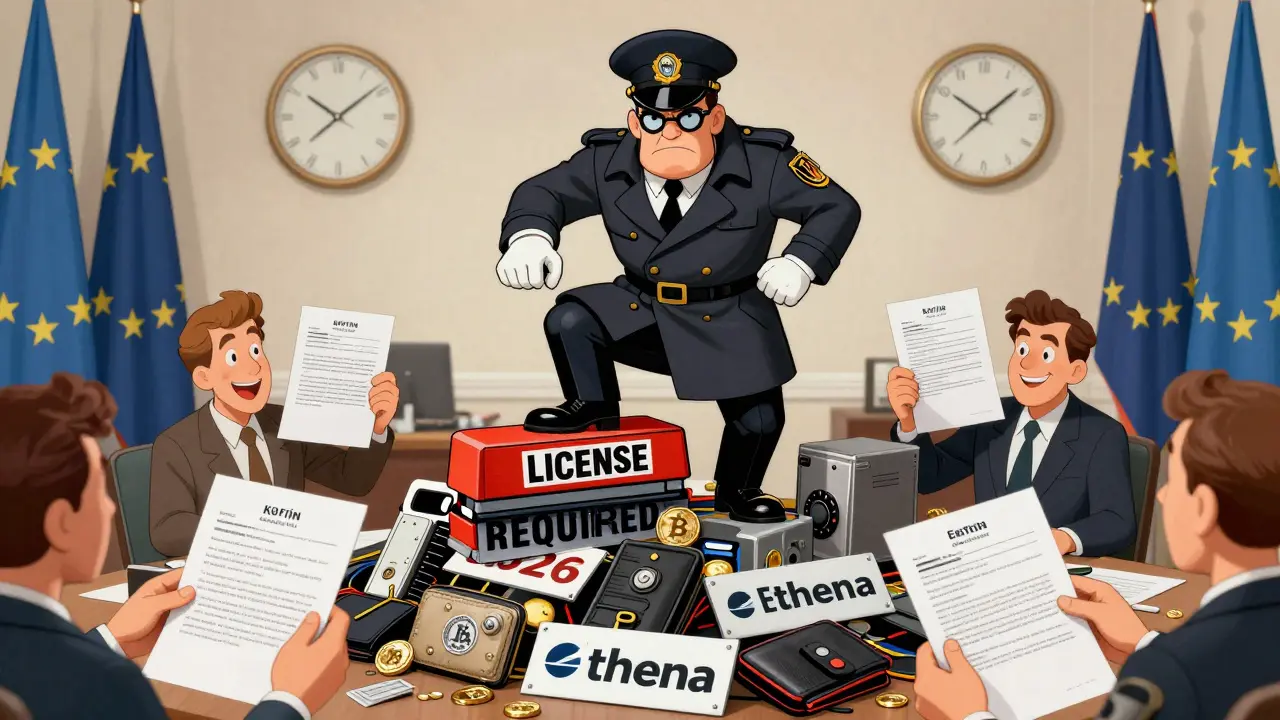
EU Sanctions and Cryptocurrency Compliance: What You Need to Know in 2026
EU cryptocurrency compliance rules under MiCA and TFR are now fully enforced. Learn how sanctions, licensing, and data rules affect crypto businesses and users in 2026.
Myanmar bans all cryptocurrency use, with the Central Bank closing bank accounts and pursuing criminal charges for trading Bitcoin or USDT. Learn the real risks, penalties, and underground realities of crypto in Myanmar today.
Kazakhstan now requires crypto miners to operate under strict AIFC licensing rules, including mandatory use of approved mining pools and selling 75% of mined crypto on local exchanges. Learn the 2026 requirements, costs, and hidden challenges.
There is no official VelasPad Grand Airdrop for VLXPAD. Learn what's real-MEXC trading rewards-and how to avoid scams pretending to give away free tokens. Stay safe and informed.
Oasis isn't a crypto exchange-it's a privacy-focused blockchain. Learn how to trade ROSE, stake tokens, use YuzuSwap, and why this network matters for DeFi and healthcare in 2026.
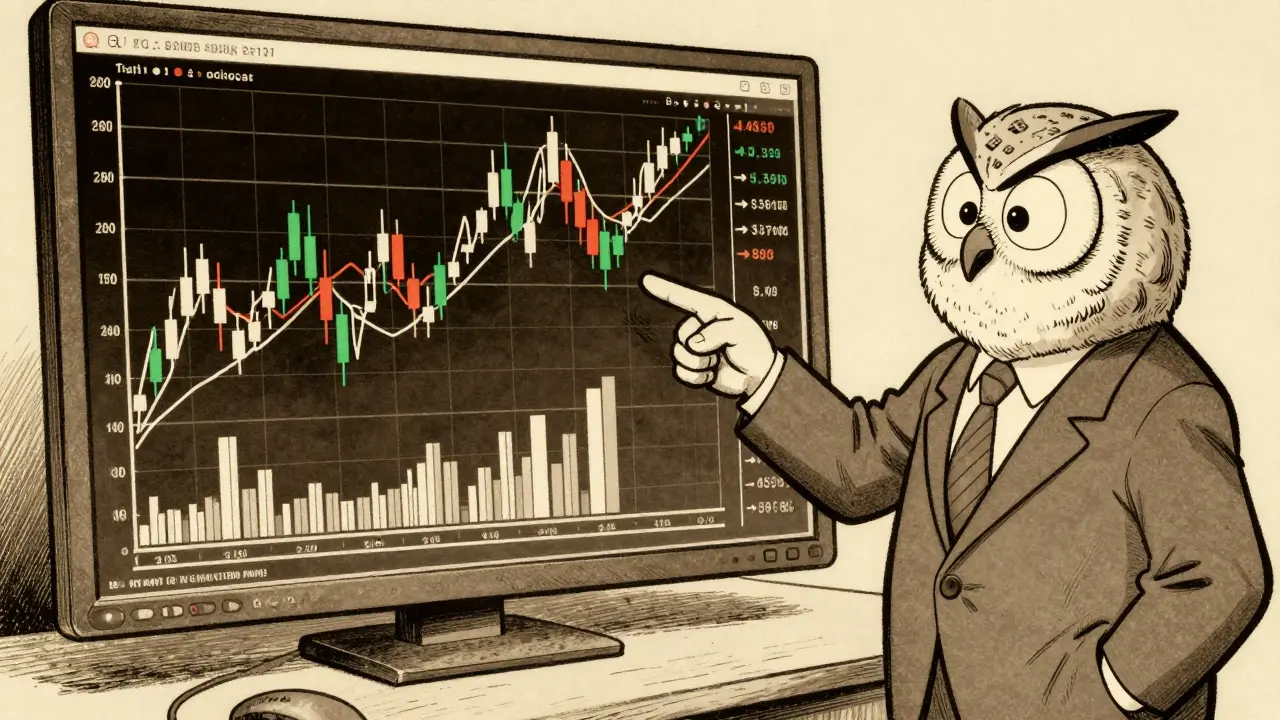
Learn how to read and trade candlestick patterns in crypto markets. Understand key reversal and continuation signals like bullish engulfing, doji, and three white soldiers, and avoid common mistakes in volatile digital asset trading.
Real estate security tokens turn property ownership into digital shares regulated as financial securities. They let investors buy fractional stakes in buildings with as little as $100, using blockchain for transparency and efficiency-without breaking securities laws.
IPFS, Arweave, and Filecoin offer different approaches to decentralized storage. IPFS finds files but doesn’t keep them. Filecoin lets you rent storage with recurring payments. Arweave charges once and stores forever. Here’s how to pick the right one.
Public and private blockchains use completely different security models. Public chains rely on decentralization and cryptography to prevent tampering. Private chains use access control and trust among known participants. Each has strengths and weaknesses depending on your needs.
Upbit, South Korea's largest crypto exchange, faces up to $34 billion in penalties for massive KYC violations. Learn how regulatory crackdowns are reshaping global crypto compliance.
North Korean IT workers are using crypto to launder over $1.6 billion since 2025, funding weapons programs through fake remote jobs. Learn how they operate, the red flags, and how to protect your business.
Blockchain for IP protection gives creators instant, tamper-proof proof of ownership, automates royalty payments with smart contracts, and fights counterfeiting using digital twins. Learn how platforms like Ascribe and KodakOne are changing how creativity is protected.