Crypto Archives November 2025: Airdrops, Exchanges, and Real-World Crypto Use
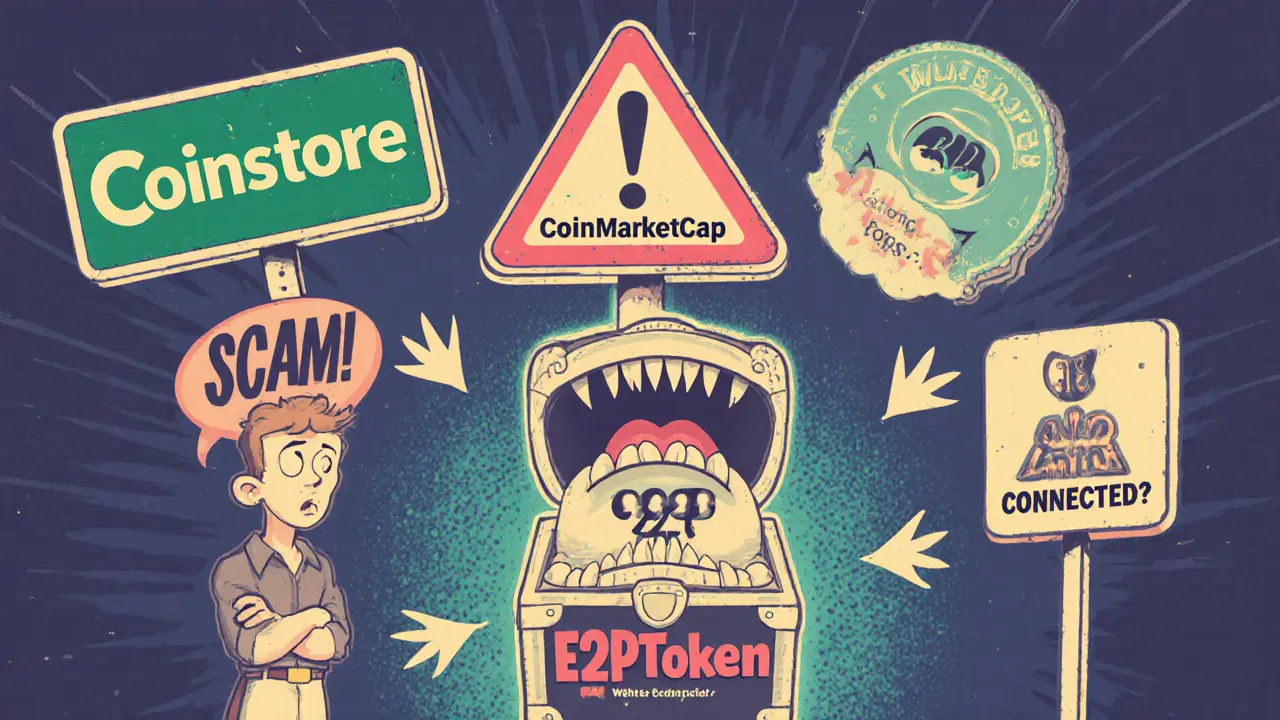
When you look at crypto airdrops, free token distributions often used to bootstrap new projects, but frequently exploited by scammers. Also known as token giveaways, they’re a common entry point for new users—but in November 2025, most were outright lies. Out of the 20 posts published this month, 11 directly warned about fake airdrops: E2P, BSC AMP, SCIX, xSuter, SecretSky.finance. No official campaigns. No working apps. Just phishing links and wallet-draining traps. If you clicked on a "claim now" button for any of these, you lost money. The real takeaway? crypto airdrops are not rewards—they’re tests of your skepticism.
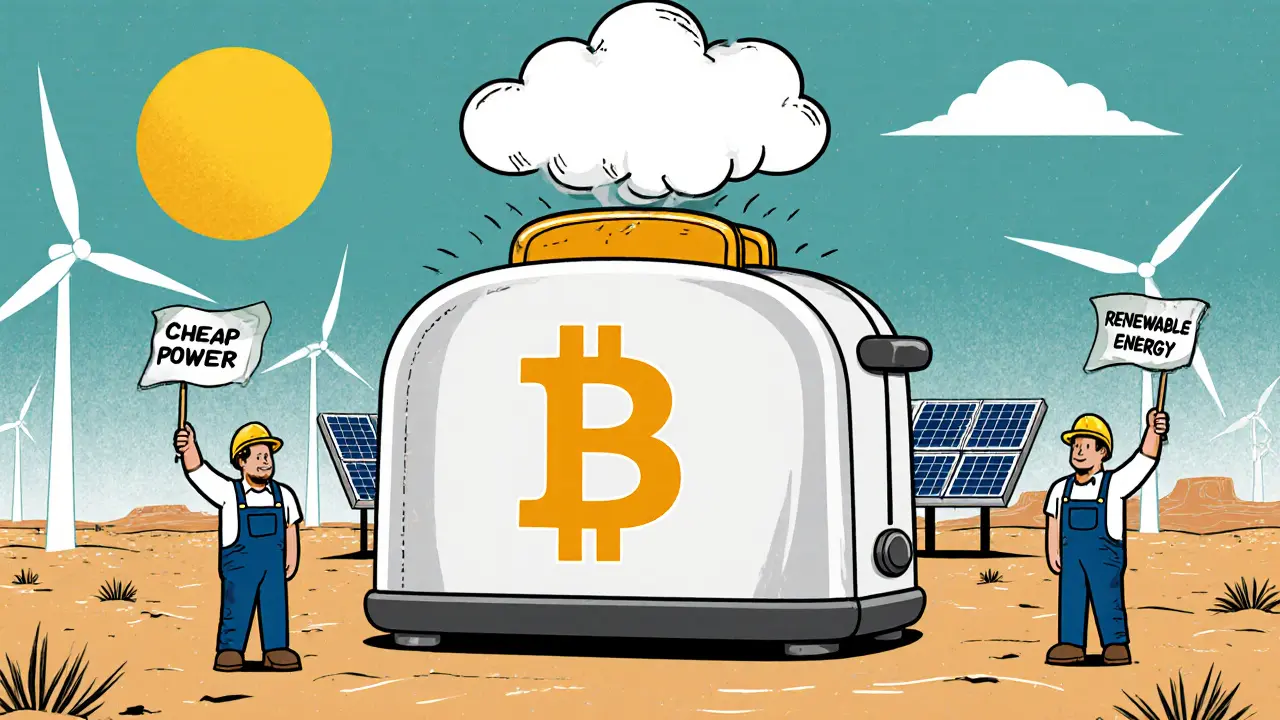
Behind the scams, real infrastructure was shifting. Bitcoin mining, the process of validating transactions and securing the Bitcoin network through computational power. Also known as crypto mining, it’s no longer dominated by China or cheap hydro power alone. The U.S. now controls 44% of the global hash rate, thanks to renewable energy and regulatory clarity. Meanwhile, Iceland froze new mining permits—energy limits killed growth. Kazakhstan and Russia held steady, but the game changed: mining isn’t about cheap electricity anymore. It’s about stable policy, long-term power contracts, and access to grids. This isn’t theory—it’s what’s happening right now.
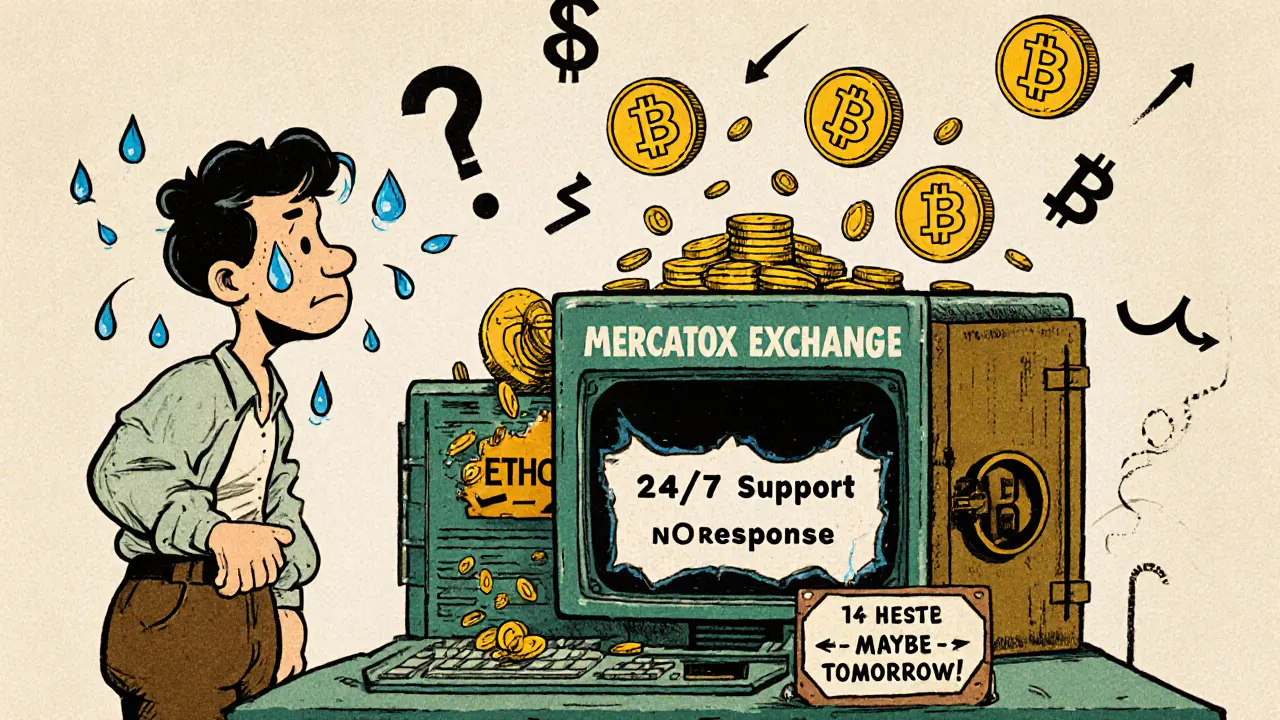
And then there’s the exchanges. crypto exchange, a platform where users trade digital assets, often with varying levels of security, regulation, and transparency. Also known as crypto trading platform, they’re the front door to the crypto world—but in November 2025, many were dangerous. BitUBU, Mercatox, LeetSwap, LeetSwap (Base), and Subnet Tokens weren’t just underperforming—they were broken. Withdrawal delays, no customer support, exploits gone unanswered. One post called LeetSwap a "failed DEX" with zero recovery options. Another called BitUBU "unregulated and untrustworthy." These aren’t edge cases. They’re the norm for small, unlicensed platforms. If you’re trading on one without knowing its history, you’re gambling.
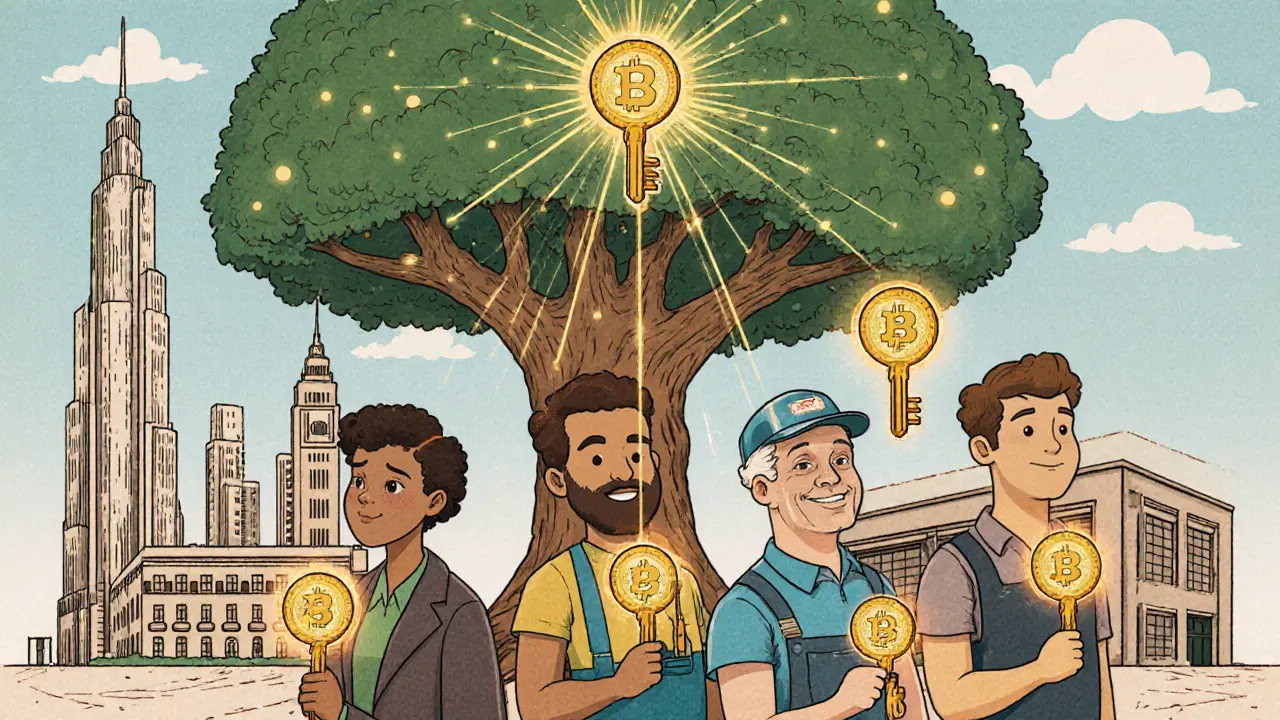
But crypto isn’t just about trading or scams. It’s about survival. In Venezuela, people use USDT to buy groceries because the bolívar is worthless. In Pakistan, the government legalized crypto in 2025—but only to push its own digital currency, the Digital PKR. And in the UAE, crypto firms moved in droves, drawn by clear rules, zero taxes, and institutional licensing. This isn’t speculation. It’s real-world adoption, happening in places where traditional finance failed.
Then there’s the quiet revolution: DeFi, a system of financial services built on blockchain without banks or intermediaries. Also known as decentralized finance, it’s not about flashy yields anymore. It’s about control. You lend, borrow, trade—without asking permission. DeFi doesn’t need a CEO to approve your withdrawal. It runs on code. But that code can break. That’s why posts on margin trading, tokenized real estate, and lost seed phrases all circle back to one truth: if you don’t understand the risk, you don’t own the asset.
Tokenized real estate? It’s real. You can own 0.05% of a building in Texas with a blockchain token. But only if the smart contract is audited, the legal structure holds, and the platform isn’t a front for a pump-and-dump. Same with meme coins like Purple Pepe or MAPS—fun for a weekend, useless as an investment. And Bitcoin halving? Still the most predictable event in crypto. Every four years, supply drops. Demand follows. That’s not hype. That’s math.
What you’ll find below isn’t a list of headlines. It’s a record of what worked, what broke, and what you should never touch again. No sugarcoating. No fluff. Just what happened in November 2025—and what it means for you next month.
As of 2025, the U.S. leads global Bitcoin mining with 44% of the hash rate, followed by Kazakhstan, Russia, and Canada. Learn where mining power is concentrated, why geography matters for security, and how renewable energy is reshaping the industry.
Continue reading
MAPS (MAPS) is a crypto token tied to the MAPS.ME mapping app, but it's rarely used. With low liquidity, no real utility, and a crashed price, it's more of a relic than a viable investment.
Continue reading
Purple Pepe ($PURPE) is a Solana-based meme coin with a purple frog theme, staking rewards, and NFTs. It has low fees, active community support, and a small but growing market cap. Not for long-term investors, but fun for meme crypto fans.
Continue reading
You cannot recover crypto without the seed phrase. This is not a limitation-it's by design. Learn why no service, tool, or support team can help you if you lose it, and how to protect your assets before it's too late.
Continue reading
Margin trading in crypto can multiply profits but also lead to total losses. Learn how leverage works, why most traders fail, and how to trade safely without getting liquidated.
Continue reading
DeFi is transforming finance by removing banks, cutting fees, and giving users full control. With 24/7 access, global reach, and smart contracts, it's challenging traditional finance - but risks and complexity remain.
Continue reading