CFTC-Regulated Crypto: What It Means and Which Exchanges Actually Follow the Rules
When you hear CFTC-regulated crypto, crypto trading platforms overseen by the U.S. Commodity Futures Trading Commission to ensure fair markets and protect traders from fraud. Also known as futures-compliant crypto platforms, it means the exchange has passed strict audits, follows anti-money laundering rules, and can’t just vanish with your funds. This isn’t just paperwork—it’s a firewall between you and shady operators. The CFTC doesn’t regulate every crypto coin, but it does control how derivatives, futures, and leveraged trading are handled on U.S.-focused platforms. If an exchange says it’s CFTC-regulated, it should be able to show you its registration number and compliance team. If it can’t, you’re dealing with a label, not a license.
Most crypto exchanges you’ve heard of—Binance, KuCoin, Bybit—aren’t CFTC-regulated. They avoid U.S. customers or operate through offshore shells. But some platforms, like M2 Crypto Exchange, a UAE-based platform offering crypto derivatives and yield products with institutional-grade compliance, have built structures that mirror U.S. standards even if they’re not based in America. Why? Because U.S. traders are still their biggest market, and CFTC compliance signals trust. Meanwhile, Mercatox, a decade-old exchange with poor withdrawal records and no regulatory transparency, and BitUBU, a platform with no security disclosures or licensing info, show what happens when you skip compliance: users get stuck, funds disappear, and support vanishes.
The real difference? CFTC-regulated crypto means you can file a complaint if something goes wrong. You’re not just trusting a website—you’re trusting a government agency that can freeze assets, fine operators, and force refunds. That’s why the UAE’s VARA licensing system, which lets platforms like M2 operate with global reach, is gaining traction: it’s the closest thing to CFTC-style oversight outside the U.S. But here’s the catch—most crypto projects, tokens, and airdrops you see online have zero connection to any regulator. The E2P Token airdrop, a fake claim pushed on Coinstore and CoinMarketCap, or the BSC AMP airdrop, a phantom token with 99.6% of supply locked and no real trading, are pure scams. No regulator watches over them. No one’s coming to get your money back.
What you’ll find in this collection aren’t just reviews—they’re filters. We’ve dug into exchanges that claim compliance, exposed fake airdrops hiding behind legal-sounding names, and called out platforms that look regulated but aren’t. Whether you’re checking if M2 is safe, wondering why Pakistan’s new crypto law matters for global users, or trying to avoid a quantum computing threat to your holdings, every post here cuts through the noise. No fluff. No hype. Just what’s real, what’s risky, and what you need to know before you trade.
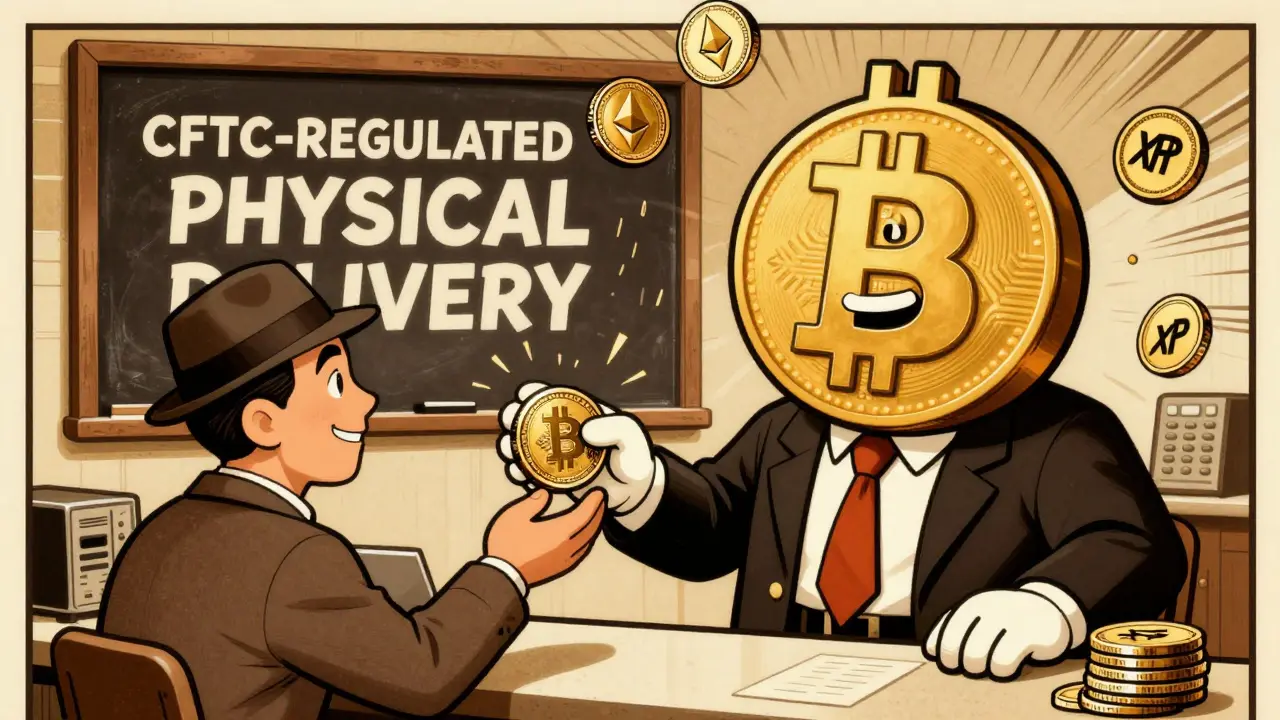
Bitnomial is the only U.S.-regulated crypto exchange offering physically delivered futures on Bitcoin, Ethereum, Solana, XRP, and USDC. With CFTC approval and crypto-as-margin, it’s built for serious traders.
Continue reading