How Venezuelans Use Crypto Amid Hyperinflation
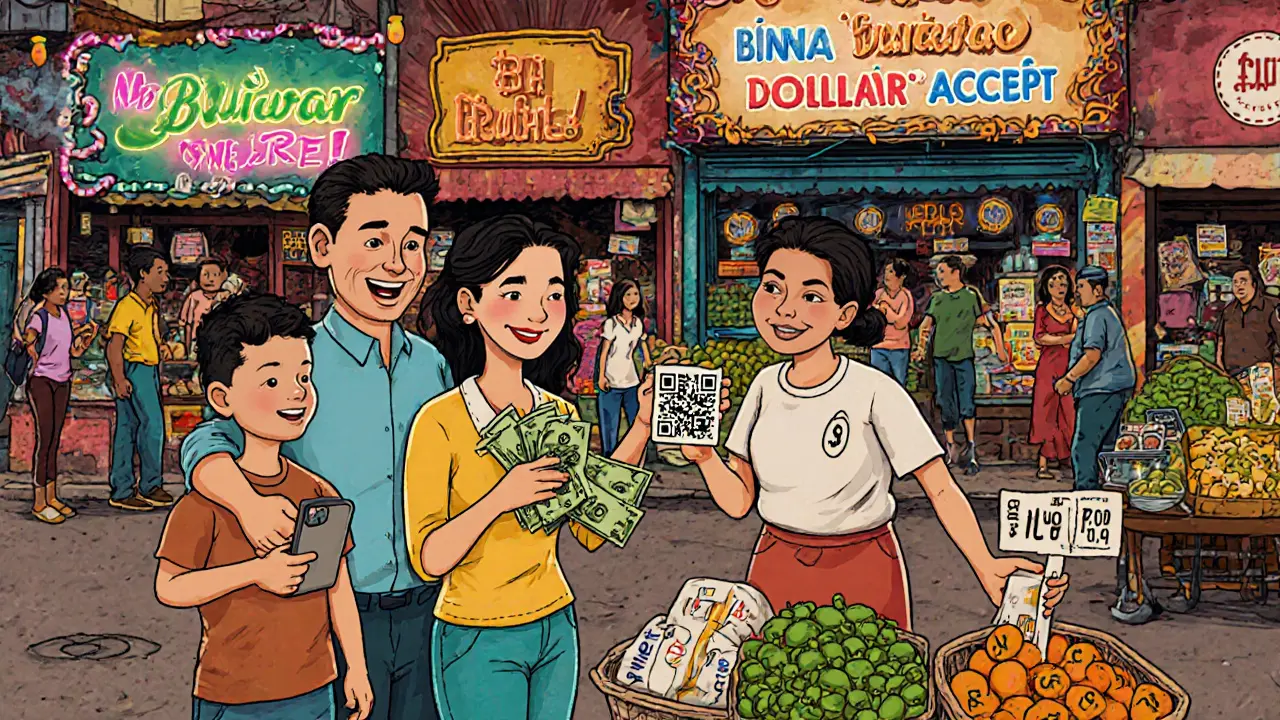
Venezuelans use crypto like USDT to survive hyperinflation, paying for food, rent, and remittances when the bolívar collapses. Bitcoin and stablecoins have replaced cash as the real currency.
When the Venezuelan bolívar lost 99.9% of its value over a decade, people didn’t wait for permission—they turned to Venezuela crypto, the use of digital currencies like Bitcoin and Ethereum to survive hyperinflation and economic isolation. Also known as crypto resistance, it became a lifeline for millions who couldn’t afford bread, medicine, or electricity. While the government banned crypto payments in 2020 and slapped fines of up to 200 million VND (roughly $5,000 USD) on users, people kept using it anyway. Why? Because when your salary buys a loaf of bread once a week, crypto isn’t a speculation—it’s survival.
Bitcoin became the de facto currency in markets, clinics, and even public transport. People traded it peer-to-peer using WhatsApp, Telegram, and local P2P apps. Crypto exchanges like LocalBitcoins and Paxful exploded in popularity. Miners in remote areas used solar panels to power rigs, turning cheap electricity into food and rent. The state tried to push its own digital currency, the Petro, but it was never trusted. Meanwhile, Venezuelans built their own crypto economy—unregulated, decentralized, and real.
This isn’t just about money. It’s about autonomy. When banks freeze accounts and the government controls access to dollars, crypto gives people control. It’s how teachers pay for online courses, how families receive remittances from abroad without fees, and how small businesses stay open when the banking system collapses. The posts below show you how this plays out in practice: from people using crypto to buy medicine in Caracas, to how teens trade Bitcoin to fund their education, to why some still get fined despite the underground boom. You’ll also see how Venezuela’s story compares to other countries like Vietnam and Pakistan—where crypto is either banned, regulated, or quietly accepted. What’s clear? When traditional systems fail, people turn to code. And in Venezuela, that code is saving lives.
Venezuelans use crypto like USDT to survive hyperinflation, paying for food, rent, and remittances when the bolívar collapses. Bitcoin and stablecoins have replaced cash as the real currency.