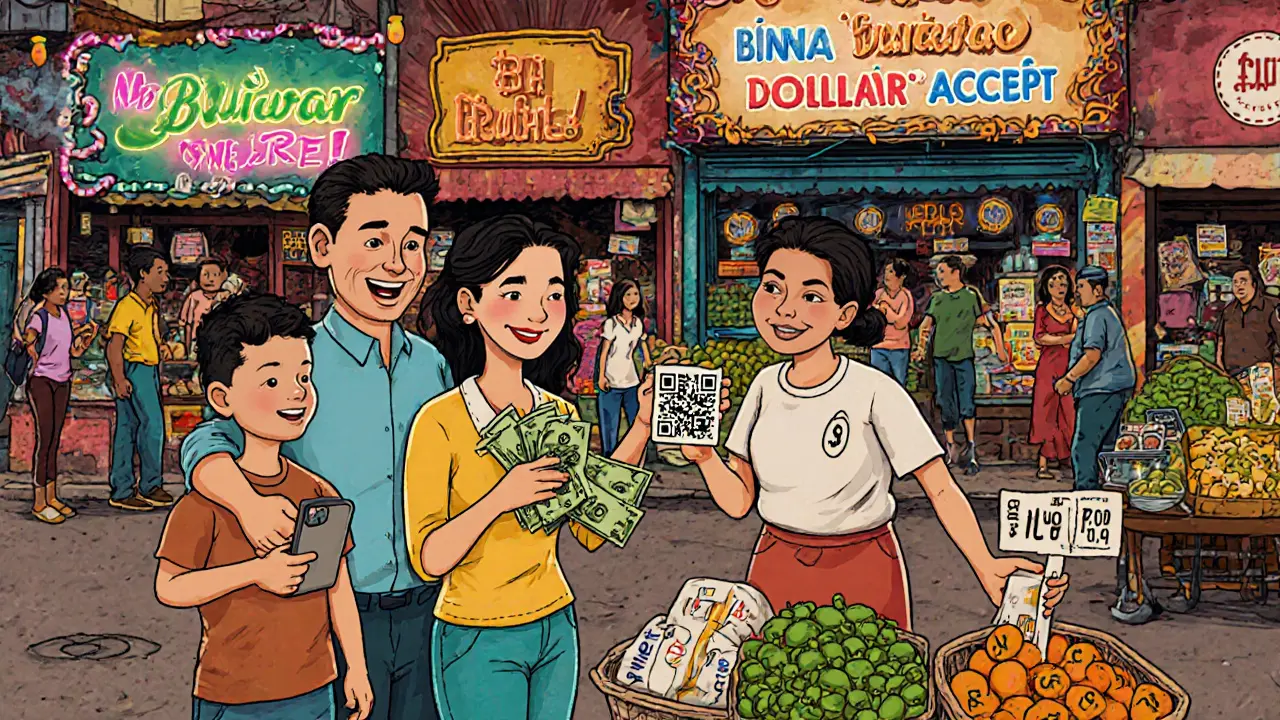
How Venezuelans Use Crypto Amid Hyperinflation
Venezuelans use crypto like USDT to survive hyperinflation, paying for food, rent, and remittances when the bolívar collapses. Bitcoin and stablecoins have replaced cash as the real currency.
When the Venezuelan bolívar lost 99.9% of its value over a decade, people didn’t wait for government help—they turned to USDT, a stablecoin pegged to the U.S. dollar that acts as a digital alternative to cash. Also known as Tether, it became the de facto currency for groceries, rent, and even salaries. Unlike local banks, which froze accounts or demanded impossible paperwork, USDT moved instantly across borders with no middlemen. You didn’t need a bank account. You just needed a phone and a wallet.
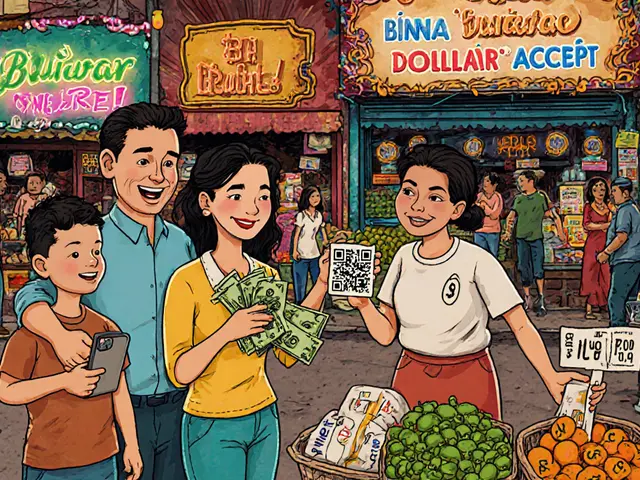
USDT isn’t just a workaround in Venezuela—it’s the backbone of survival. People trade it on peer-to-peer platforms like LocalBitcoins and Paxful, swap it for cash at street corners, or use it to buy imports from Colombia and Brazil. The government bans foreign currency, but USDT slips through because it’s not technically dollars—it’s a blockchain token. And while the Central Bank calls it illegal, enforcement is nearly impossible. Every day, Venezuelans send and receive millions in USDT, often converting it to Bitcoin or Ethereum to hold value longer-term. This isn’t speculation. It’s daily reality.
Related to this is crypto adoption, the real-world use of digital assets outside traditional finance, which exploded in Venezuela after 2017. Unlike countries where crypto is a luxury, here it’s a necessity. People use it to pay for medicine, send remittances to family abroad, or buy fuel when gas stations only accept dollars. The Venezuelan crypto regulations, a patchwork of bans and unenforced rules make no difference on the ground. What matters is access. And USDT gives it.
What you’ll find in the posts below isn’t theory. It’s proof. Real stories of people using USDT to survive. Guides on how to buy it safely when banks block you. Warnings about fake exchanges pretending to support Venezuelan users. And deep dives into why some crypto projects fail while USDT keeps working—even when everything else collapses. This isn’t about trading. It’s about keeping food on the table. And if you’re looking to understand how crypto changes lives, start here.
Venezuelans use crypto like USDT to survive hyperinflation, paying for food, rent, and remittances when the bolívar collapses. Bitcoin and stablecoins have replaced cash as the real currency.