MPC Custody: How Multi-Party Computation Secures Your Crypto
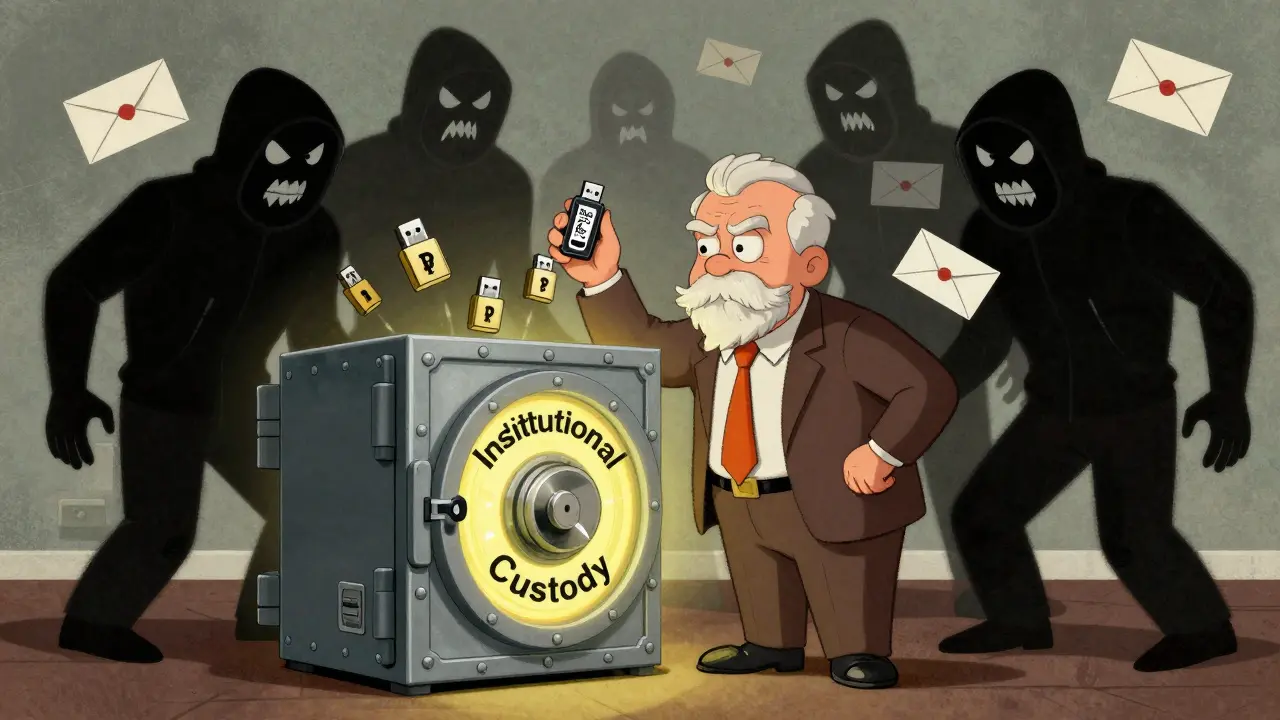
When you hold crypto, you’re not just storing coins—you’re holding the key to your entire digital wealth. That’s where MPC custody, a security method that splits private key access among multiple parties so no single entity controls the whole key. Also known as multi-party computation, it’s changing how exchanges, institutions, and even individual users protect their assets without relying on a single seed phrase. Unlike traditional wallets where losing your seed phrase means losing everything, MPC breaks the key into pieces. Each piece is stored separately—on different devices, in different locations, sometimes even under different legal jurisdictions. No one piece can unlock your funds. You need at least three or four of them to sign a transaction. This isn’t just theory—it’s what companies like Coinbase, BitGo, and Ledger use to protect billions in customer crypto.
MPC custody doesn’t just reduce the risk of theft—it removes the single point of failure that makes cold wallets risky and hot wallets dangerous. If a hacker steals one device, they get nothing. If an employee quits or a server crashes, your funds stay safe. It’s also why MPC is becoming the standard for institutional investors and DeFi protocols that can’t afford to lose funds to a misconfigured backup or a phishing attack. You’ll see this tech pop up in platforms handling large sums, like crypto lending services, tokenized asset platforms, or even self-custody apps that want to avoid seed phrases altogether. And while it’s mostly used by pros right now, tools are emerging that let regular users adopt MPC without needing a tech degree.
What’s missing from most crypto security talks is how MPC connects to real-world problems. You can’t recover crypto without a seed phrase? That’s true—but MPC custody gives you recovery paths built into the system. You don’t need to memorize 24 words. You just need access to two of your three devices. And unlike hardware wallets that sit in a drawer and gather dust, MPC wallets can be designed to work with biometrics, PINs, or even social recovery through trusted contacts. It’s not magic. It’s math. And it’s already here.
In the posts below, you’ll find real examples of how MPC custody is being used—or misused. Some articles expose fake airdrops that pretend to offer MPC wallet benefits. Others dive into exchanges that use MPC to secure user funds, and what happens when they don’t. You’ll see how it compares to multisig, why some projects skip it entirely, and why it’s becoming the baseline for trustless storage. Whether you’re holding a few coins or managing a portfolio, understanding MPC custody isn’t optional anymore—it’s the new floor for safety.
Institutional crypto custody solutions secure digital assets for hedge funds, pension funds, and asset managers using multi-sig, MPC, and cold storage. Learn how they work, who the top providers are, and what to look for in 2025.
Continue reading