How Venezuelans Use Crypto Amid Hyperinflation
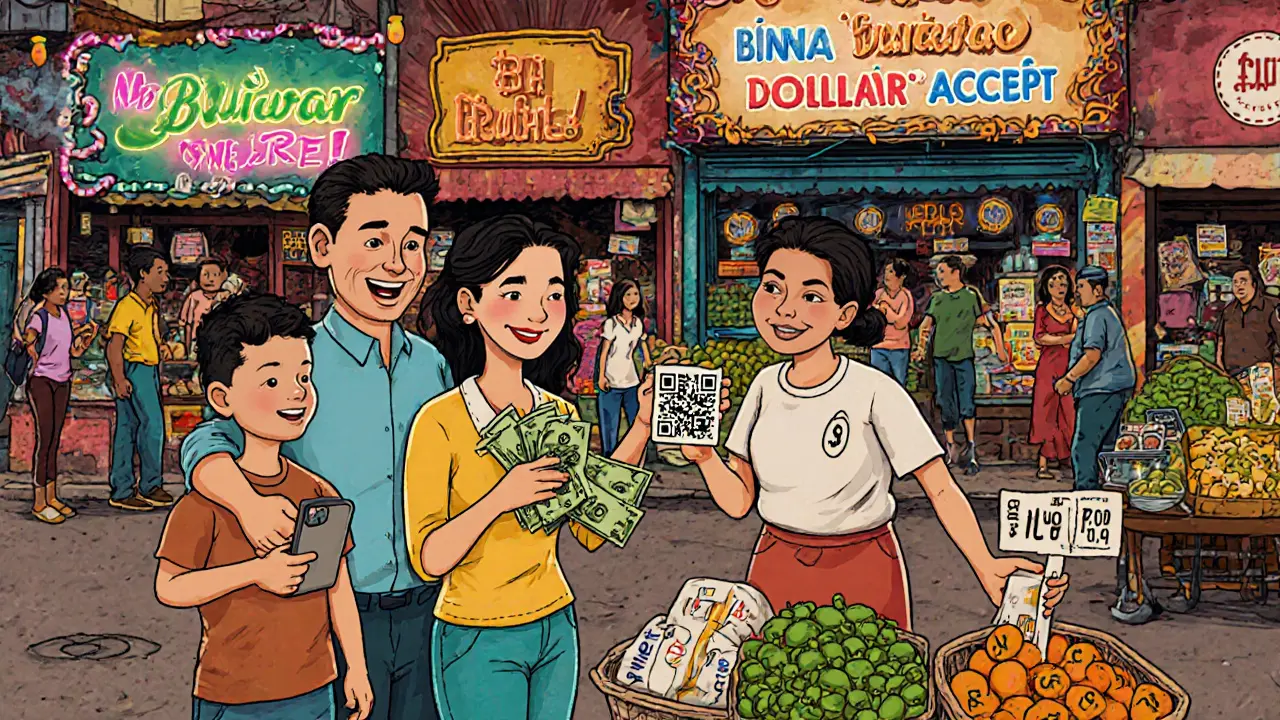
Venezuelans use crypto like USDT to survive hyperinflation, paying for food, rent, and remittances when the bolívar collapses. Bitcoin and stablecoins have replaced cash as the real currency.
When it comes to crypto survival, the ability to navigate decentralized finance without getting ripped off. Also known as crypto safety, it’s not about chasing the next 100x coin—it’s about keeping your assets alive in a space where 90% of projects vanish within a year. You don’t need to understand every new token or jump on every airdrop. You just need to know what’s real, what’s fake, and who’s trying to steal from you.
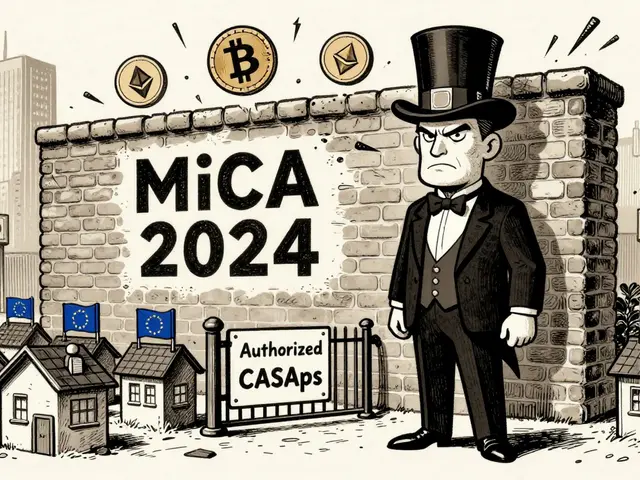
Look at what’s happening: airdrop scams, fake token claims pretending to be from real projects are everywhere. BSC AMP, SCIX, xSuter—none of them have official airdrops, yet people are losing money clicking fake links. Then there’s crypto exchanges, platforms that promise low fees but hide zero security or regulation like BitUBU and LeetSwap, which collapse overnight with no refunds. Even crypto regulation, the rules governments set to control digital assets, is a minefield. Pakistan legalized crypto ownership but banned payments. Vietnam fines users for spending Bitcoin. The UAE built a clear system—because they know survival means structure, not chaos.
And it’s not just scams and rules. DeFi risks, the hidden dangers in lending, borrowing, and trading on decentralized platforms are real. You can lose everything in a single exploit if you don’t check the code, the team, or the liquidity. Remember SOS? A free token from OpenSea that’s now worth pennies. Or GEO from GeoDB? Paid for your location data—and now it’s useless. These aren’t failures of technology. They’re failures of hype.
Survival means learning to ask: Is this project live, or just a website? Is there real trading volume, or just fake numbers? Is there a team you can find, or just a Discord full of bots? You don’t need to be a genius. You just need to be skeptical. The posts below show you exactly how—through real examples of what went wrong, what got shut down, and what actually worked. You’ll see the airdrops that vanished, the exchanges that vanished, and the regulations that changed everything. This isn’t theory. It’s what happened. And it’s what you need to know before you click ‘Connect Wallet’ again.
Venezuelans use crypto like USDT to survive hyperinflation, paying for food, rent, and remittances when the bolívar collapses. Bitcoin and stablecoins have replaced cash as the real currency.