Traditional Finance vs Crypto: What You Need to Know
When we talk about traditional finance, the system of banks, central banks, and government-backed money that’s been around for centuries. Also known as fiat finance, it’s the reason your paycheck lands in a bank account, your mortgage gets approved by a lender, and your savings earn barely any interest. This system runs on trust—trust in governments, trust in institutions, and trust that no one can just print more money without consequences. But in recent years, that trust has cracked.
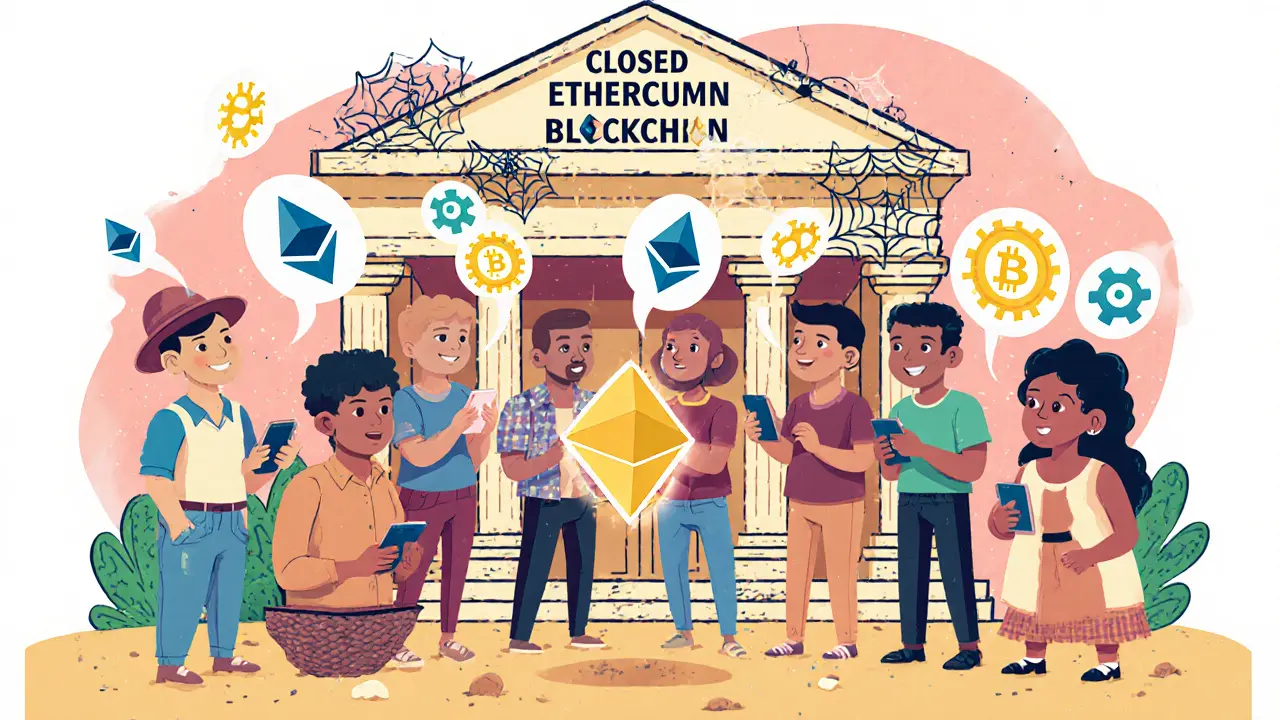
Enter crypto, digital money that works without banks, controlled by code and networks, not politicians or CEOs. Also known as decentralized finance, or DeFi, it lets people send money across the world in minutes, earn interest without a bank, and own their money outright—no middleman needed. In Venezuela, people use USDT to buy groceries because their own currency collapsed. In Pakistan, new laws now let people hold crypto legally, even as the government pushes its own digital currency. These aren’t edge cases—they’re signals that something’s shifting.
Traditional finance still holds trillions in assets. But it’s slow, expensive, and locked down. You need ID, approval, and permission to move money. Crypto gives you control, but with that comes responsibility: lose your seed phrase, and there’s no customer service to call. No one can reverse a transaction. That’s not a bug—it’s the point.
What you’ll find below aren’t abstract theories. These are real stories: people who lost crypto because they didn’t back up their seed phrase, traders who blew up accounts using leverage, meme coins that rose fast and vanished, and countries rewriting the rules. Some posts warn you about fake airdrops. Others show how mining in Iceland hit a wall because of energy limits. One explains why Bitcoin halving matters more than most think. And another shows how UAE became the global hub for crypto firms—not because it’s flashy, but because it’s clear.
This isn’t about choosing sides. It’s about understanding both systems. Traditional finance built the world we live in. Crypto is building the next one. You don’t need to abandon your bank account to see why crypto matters. You just need to know how it works—and who it helps.
DeFi is transforming finance by removing banks, cutting fees, and giving users full control. With 24/7 access, global reach, and smart contracts, it's challenging traditional finance - but risks and complexity remain.
Continue reading