Token Utility: What Makes a Crypto Token Actually Worth Something
When you hear someone say token utility, the practical function a cryptocurrency token serves within its ecosystem. Also known as token functionality, it's what turns a digital asset from a speculative bet into something people actually need to use. A token with real utility isn’t just a number on a chart—it’s a key that unlocks features, discounts, rewards, or access. Think of it like a membership card, a coupon, or a login pass—but on blockchain. Without it, most tokens are just noise.
Many crypto projects fail because they skip this step. They create a token, dump it on exchanges, and hope people buy it because it’s ‘the next big thing.’ But if you can’t use it to pay fees, earn rewards, vote on decisions, or access services, why would anyone hold it? That’s where tokenomics, the economic design behind how a token is created, distributed, and used comes in. Good tokenomics ties supply and demand directly to real usage. Look at DeFi tokens, tokens built to power decentralized finance platforms like lending, borrowing, or trading—they often let you stake them to earn interest, use them to pay for trades at lower fees, or even vote on how the platform evolves. That’s not magic. That’s design.
Real token utility shows up in behavior. If people are actively using the token to interact with the platform, its price has a foundation. If it’s just being traded by speculators with no reason to hold it beyond hoping for a pump, it’s a house of cards. You’ll see this in the posts below: KNG powers Kanga Exchange with fee discounts and staking; MDX lets you earn rewards on MDEX; and SOS? It was given away for free and did nothing after. One has utility. The others don’t. And it shows.
Token utility isn’t about flashy whitepapers or big Twitter followings. It’s about what happens when you open the app, click a button, and actually need the token to make it work. If you’re looking at a new project, ask: Can I use this token for something I’d pay for anyway? If the answer is no, you’re not investing in a tool—you’re gambling on luck. Below, you’ll find real-world examples of tokens that work, tokens that don’t, and the scams that pretend to be the former. Learn what to look for before you send your crypto anywhere.
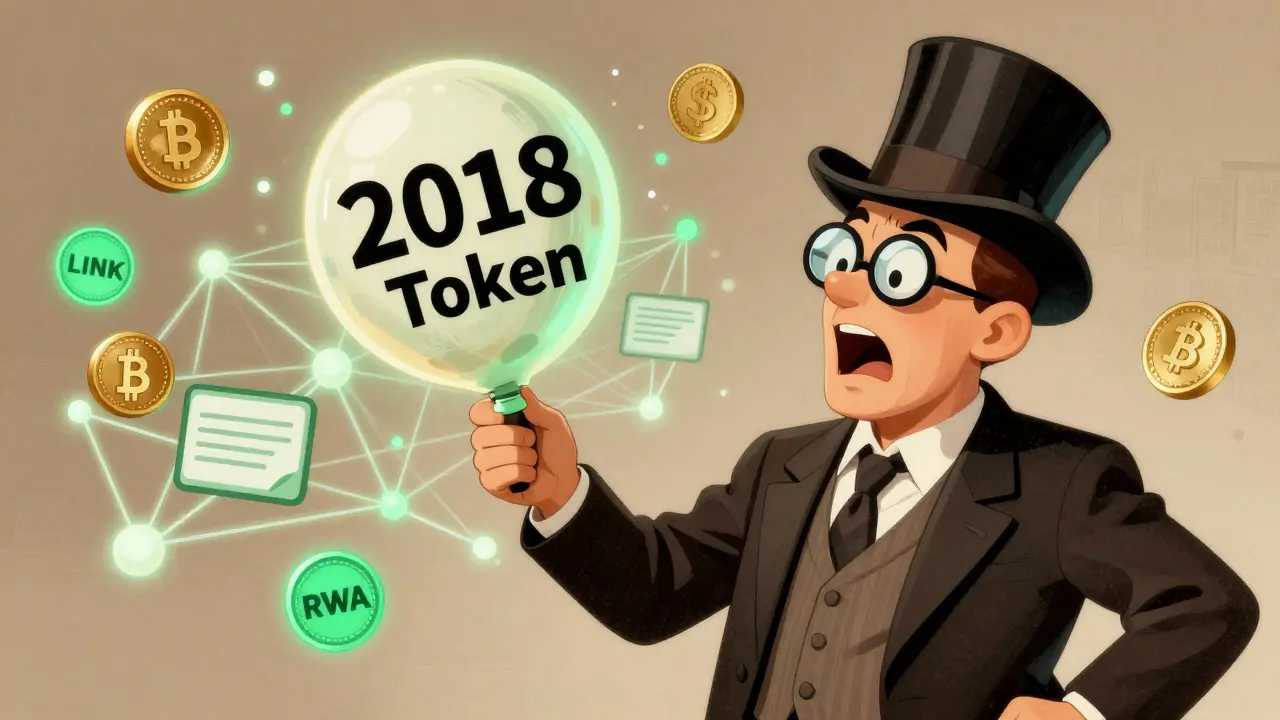
In 2025, tokenomics has evolved from hype-driven speculation to sophisticated economic systems tied to real-world assets, AI-driven design, and regulated DeFi integration. Learn how the most successful blockchain projects are building lasting value.
Continue reading