SPIN Airdrop by Spintop: How It Worked, Who Got Tokens, and Why It Faded
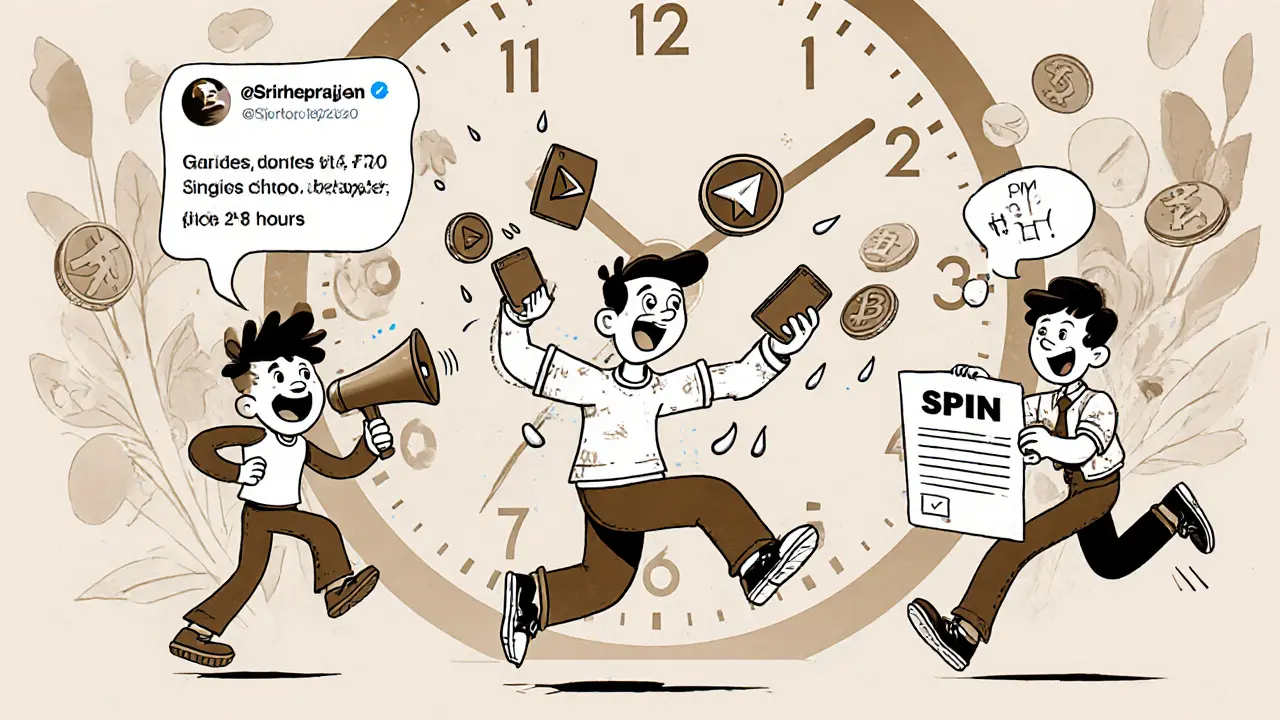
The SPIN airdrop by Spintop Network offered 500 tokens to the first 5,000 participants in 2021. Learn how it worked, why it failed, and what happened to the tokens today.
When you hear SPIN token, a cryptocurrency designed for decentralized reward systems and community-driven incentives. Also known as SPIN crypto, it's meant to power interactions on platforms where users earn tokens for participation, not just speculation. But here’s the catch — most people don’t actually know what SPIN token does. They’ve seen ads for "free SPIN airdrops," clicked on shady links, and lost money. The real SPIN token isn’t about getting free coins. It’s about earning value through verified activity on supported networks.
SPIN token relates to other crypto projects that reward users — like SAKE, a DeFi token earned through trading and lending on SakePerp and Sake Finance, or LGX, the token behind the Legion SuperApp that rewards users for app engagement. These aren’t random airdrops. They’re tied to active use. SPIN works the same way: if you’re using a platform that integrates it, you earn it. But if a website asks you to connect your wallet to claim SPIN without any clear platform or contract, it’s a scam. Fake SPIN airdrops are everywhere because they prey on the same people who got burned by OpenDAO’s SOS token or SecretSky’s SSF — tokens that promised rewards but delivered nothing.
Unlike Bitcoin or Ethereum, SPIN token doesn’t have a massive market cap or mainstream adoption. Its value comes from niche use cases — gaming platforms, community apps, or DeFi tools that want to keep users active without relying on ads or subscriptions. That’s why you won’t find it on Coinbase or Binance. You’ll find it on smaller, decentralized apps where real usage matters. The same way you wouldn’t trust a crypto exchange with no security disclosures — like BitUBU or Spectre — you shouldn’t trust any SPIN airdrop that doesn’t link to a real, functioning app. The token only has meaning if the platform behind it is alive and transparent.
What you’ll find in the posts below isn’t hype. It’s truth. You’ll see how fake SPIN airdrops mimic real ones, what to check before you click, and why most "SPIN token distribution" claims are just phishing traps. You’ll also see how other tokens like SCIX, xSuter, and SSF followed the same pattern — zero utility, zero team, zero trust. If you’re looking to understand SPIN token beyond the noise, you’re in the right place. This isn’t about getting rich quick. It’s about not getting robbed on your way there.
The SPIN airdrop by Spintop Network offered 500 tokens to the first 5,000 participants in 2021. Learn how it worked, why it failed, and what happened to the tokens today.