Smart Contract Real Estate: How Blockchain is Changing Property Transactions
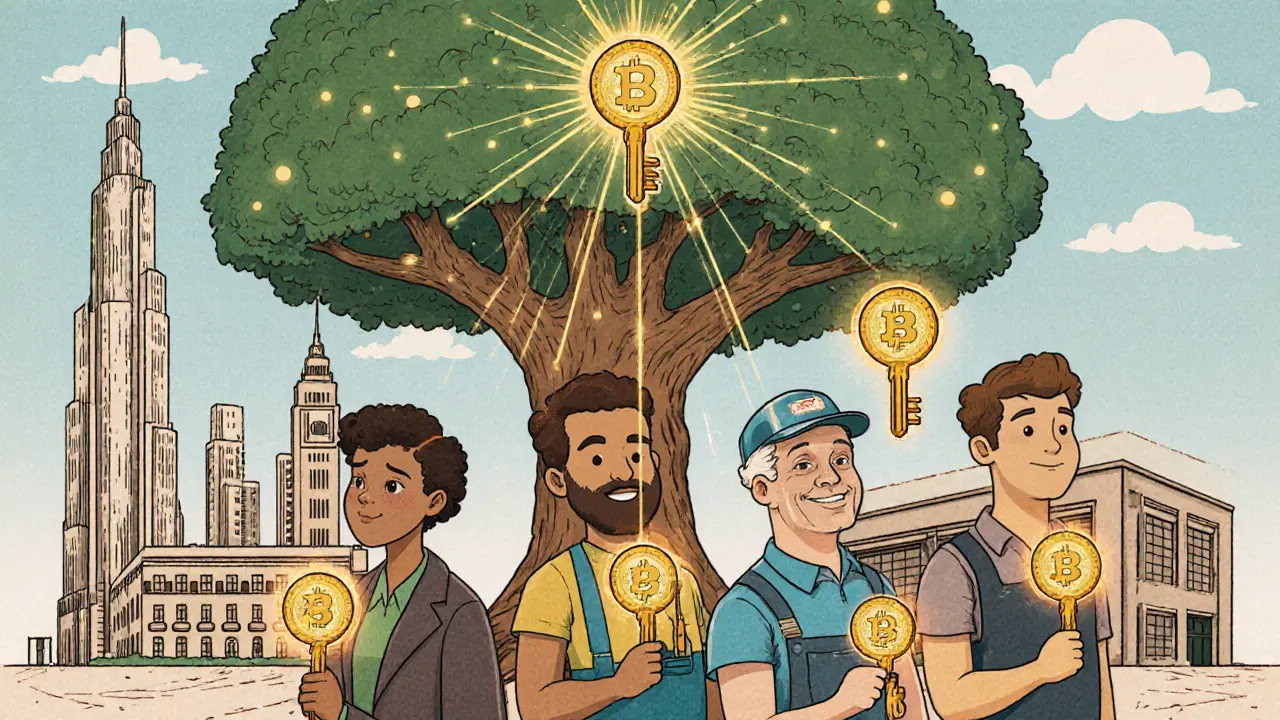
When you buy a house, you deal with lawyers, title companies, banks, and weeks of paperwork. But what if all that could vanish—replaced by a single line of code? That’s the promise of smart contract real estate, a system where property transactions are automatically executed when conditions are met, using blockchain technology. Also known as blockchain-based property deals, it removes middlemen and cuts costs by locking rules directly into the network. This isn’t science fiction. It’s happening now, in places like Georgia, Switzerland, and even parts of the U.S., where land titles are being tokenized and traded on open ledgers.
At its core, smart contract real estate, a system where property transactions are automatically executed when conditions are met, using blockchain technology. Also known as blockchain-based property deals, it removes middlemen and cuts costs by locking rules directly into the network. This isn’t science fiction. It’s happening now, in places like Georgia, Switzerland, and even parts of the U.S., where land titles are being tokenized and traded on open ledgers.
Smart contracts don’t just handle payments—they can trigger inspections, verify identities, and even release keys to buyers once funds clear. That’s property tokens, digital representations of real-world real estate ownership that can be bought, sold, or fractionally owned on blockchain platforms. You don’t need to buy a whole house anymore—you can own 0.5% of a building in Miami, tracked on-chain, with proof that can’t be forged. And because these tokens are built on open networks like Ethereum or Polygon, they can integrate with DeFi real estate, a growing sector where property-backed assets are used for lending, borrowing, and earning yield without banks. Imagine using your tokenized condo as collateral for a crypto loan—no bank approval needed.
But it’s not all smooth sailing. Many projects still struggle with legal recognition. A smart contract might say you own the property, but if your country doesn’t recognize blockchain titles, you’re stuck. That’s why most real-world adoption is happening in regions with clear crypto-friendly laws, like the UAE or Singapore. And while DeFi real estate offers exciting yields, it also carries risks—illiquid tokens, unverified developers, and scams disguised as "real estate tokens." You’ll find plenty of those in the posts below.
What you’ll see here isn’t hype. It’s real cases—some working, some failed. You’ll read about tokenized land deals that actually closed, platforms that let you rent out property via smart contracts, and others that vanished overnight with investors’ money. There’s no sugarcoating: this space is still young, messy, and full of traps. But if you understand how smart contracts change ownership, how tokens unlock liquidity, and why DeFi is forcing traditional real estate to adapt, you’ll know where to look—and where to walk away.
Tokenized real estate lets you own fractions of properties using blockchain, with lower costs, higher liquidity, and global access. See how it works, why returns are rising, and who’s investing now.
Continue reading