Renewable Energy Crypto: Projects, Tokens, and Real-World Impact
When you hear renewable energy crypto, blockchain-based projects designed to support or fund clean energy production and usage. Also known as green crypto, it refers to digital assets that tie their value or purpose to real-world environmental outcomes like solar power generation, wind energy credits, or carbon offset tracking. This isn’t just buzzword bingo—it’s a growing space where crypto meets climate action. But not all projects delivering on the promise. Some are just rebranded meme coins with a tree logo. Others are building actual systems that pay users for reducing energy use or contributing surplus power to the grid.
One key related concept is solar token, a digital token issued by platforms that reward users for generating solar energy or sharing excess power through decentralized networks. These tokens often work with smart meters and peer-to-peer energy trading apps, letting homeowners earn crypto for every kilowatt they feed back into the local grid. Then there’s blockchain for sustainability, the use of distributed ledgers to verify and track environmental claims like carbon credits or renewable energy certificates. Traditional carbon markets are slow, expensive, and full of fraud. Blockchain fixes that by making every credit traceable, immutable, and transparent.
And here’s the catch: most of the projects you see promoted as "eco-friendly crypto" are nothing more than speculative tokens with no physical infrastructure behind them. You won’t find real solar farms or wind turbines tied to a token called "GreenCoin" or "EcoPower." But there are real ones—like platforms that let you stake crypto to fund solar panel installations in developing countries, or apps that pay you in tokens for turning off your AC during peak hours. These aren’t theoretical. They’re live, tested, and already paying users.
The posts below cut through the noise. You’ll find deep dives into failed green crypto projects that promised the moon but delivered zero utility. You’ll see how real energy-backed tokens actually work—and why some still trade for pennies despite having real-world backing. You’ll also learn how to spot the difference between a token that’s part of a working energy network and one that’s just a scam with a green filter. If you care about crypto that does more than move prices, this collection gives you the facts—not the fluff.
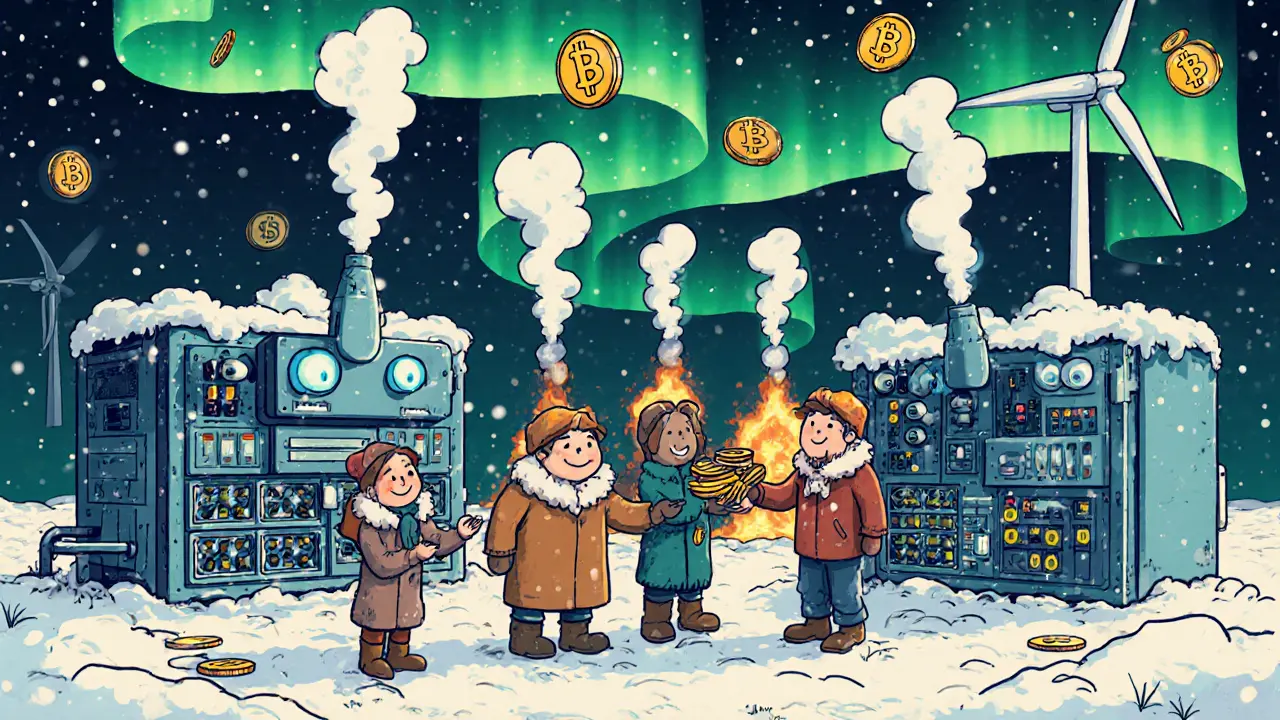
Iceland once led the world in crypto mining thanks to cheap renewable energy, but now energy limits and government policy have frozen expansion. Existing miners survive, but new ones can't get power.
Continue reading