Polygon crypto token: What it is, how it works, and what you need to know
When you hear Polygon crypto token, the native token of the Polygon network, a scaling solution for Ethereum that makes transactions faster and cheaper. Also known as MATIC, it’s used to pay for gas, stake for security, and vote on upgrades across hundreds of DeFi apps and NFT platforms. This isn’t just another coin—it’s the fuel keeping one of the most active blockchains alive. While Ethereum struggles with high fees and slow confirmations, Polygon steps in like a highway bypass, letting users trade, stake, and swap without waiting hours or paying $50 in gas.
The Polygon network doesn’t replace Ethereum—it works alongside it. Think of it as a sidecar attached to a motorcycle: you still ride the main road (Ethereum), but you avoid the traffic jams. That’s why projects like Aave, SushiSwap, and even OpenSea moved parts of their operations to Polygon. The Polygon network, a layer-2 framework built to scale Ethereum with multiple compatible chains and proof-of-stake consensus supports everything from simple token swaps to complex DeFi protocols. And because it’s built on Ethereum’s security, you don’t have to trust a new, untested system. You’re still protected by the same blockchain that holds trillions in value.
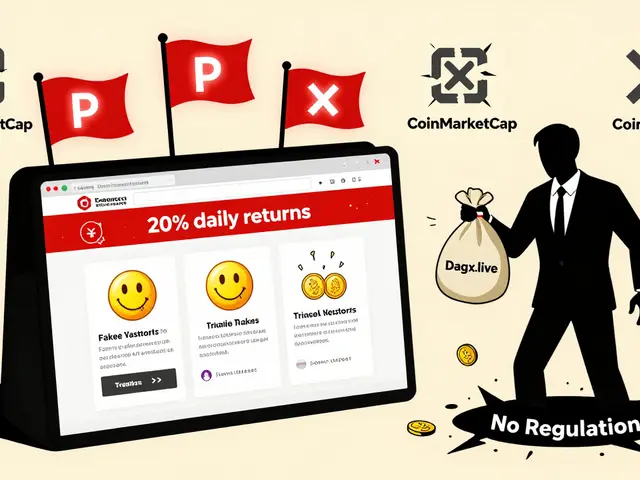
But here’s the catch: not everything labeled "Polygon" is real. There are fake tokens, scam airdrops, and copycat DEXs trying to trick you into sending your crypto. Real Polygon-based apps use the Matic token, the official utility and governance token of the Polygon network, used for fees, staking, and voting—not some random token with "Polygon" in the name. You’ll see it used on trusted platforms like QuickSwap or SushiSwap on Polygon, not shady websites promising free tokens. The network itself is open-source, transparent, and used by major brands. But your wallet? That’s on you.
What you’ll find in these posts isn’t hype—it’s hard facts. You’ll see reviews of actual DEXs running on Polygon, breakdowns of tokenomics, and warnings about fake airdrops pretending to be connected to the network. Some posts cover exchanges like MDEX on BSC, which is a different chain but often confused with Polygon. Others expose scams that steal crypto by pretending to offer Polygon rewards. There’s no fluff here—just what works, what doesn’t, and what to watch out for if you’re using Polygon in 2025.
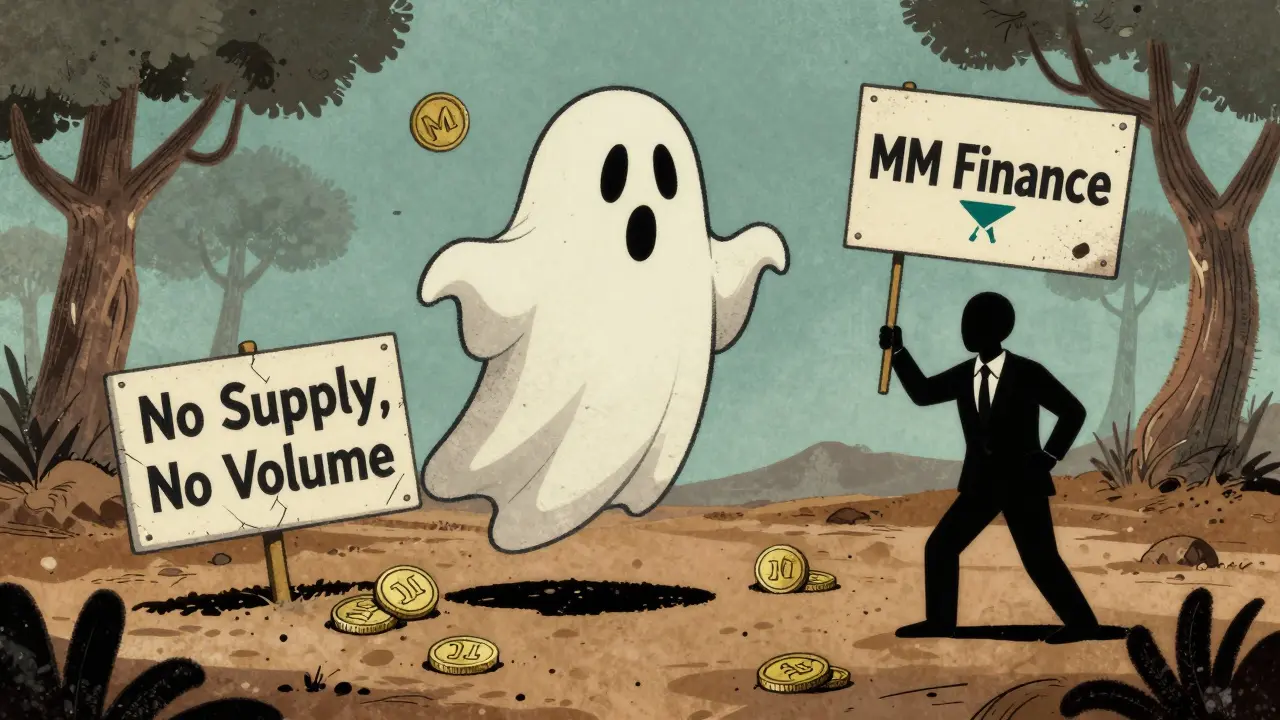
MM Finance (Polygon) is not a real crypto exchange. The MMF token has zero circulating supply, no trading volume, and no connection to the legitimate MM Finance platform. Avoid it-it's a dead or scam project.
Continue reading