KNG Price: What’s Driving the Token’s Value and Where to Find Real Data
When you search for KNG price, a cryptocurrency token tied to the KNG ecosystem, often linked to gaming or decentralized platforms. Also known as KNG token, it’s one of many obscure coins that pop up on low-traffic exchanges with little public information. Most people see a price tag and assume it’s a real investment opportunity. But here’s the truth: if you can’t find a live trading pair on a major exchange, or if the project has no team, no whitepaper, and zero community activity, that price is probably fake or manipulated.
Many sites list KNG price based on phantom volume—tokens traded between wallets controlled by the same person. That’s not a market. That’s a number pulled out of thin air. Real price data comes from actual buyers and sellers on platforms like Binance, KuCoin, or OKX. If KNG isn’t listed there, it’s not a liquid asset. It’s a speculative label. Even if you find it on a smaller exchange, check the 24-hour volume. If it’s under $10,000, you’re not trading—you’re guessing. And if the project’s website looks like a template from 2017, or the Twitter account has 200 followers and 50 bots, walk away.
What’s worse, fake KNG tokens show up on airdrop sites, Telegram groups, and Discord servers promising free coins if you connect your wallet. Those aren’t gifts—they’re phishing traps. Once you sign a transaction, your crypto is gone. No recovery. No support. No second chances. The same pattern shows up in posts about BAMP token, a Binance Smart Chain asset with no trading volume and locked supply, or SCIX airdrop, a non-existent token used to trick users into approving malicious contracts. These aren’t mistakes. They’re designed to exploit curiosity.
So where do you find real KNG data? Start with CoinGecko or CoinMarketCap—if it’s listed, check the exchange pairs, liquidity pools, and contract address. Cross-reference that with the project’s official GitHub or website. If the code hasn’t been updated in two years, or the team’s LinkedIn profiles are empty, treat it like a ghost town. Real crypto projects don’t hide. They update. They respond. They build. And if KNG were legitimate, you’d see developers talking about upgrades, partnerships, or new features—not just price charts with no context.
There’s no magic formula to predict KNG’s next move because there’s no real foundation to move from. The only thing that matters is whether anyone is actually using it. Not whether a bot is pumping it on a sketchy DEX. Not whether a YouTube video claims it’ll hit $10. Just whether real people are trading it, holding it, or building on it. If the answer is no, then the price doesn’t matter. It’s just noise.
Below, you’ll find real reviews and breakdowns of crypto projects that actually exist—some successful, some failed, but all verified. No fake tokens. No phantom airdrops. Just facts, user reports, and clear warnings about what to avoid. If you’re looking for the truth behind a coin’s value, you’re in the right place.
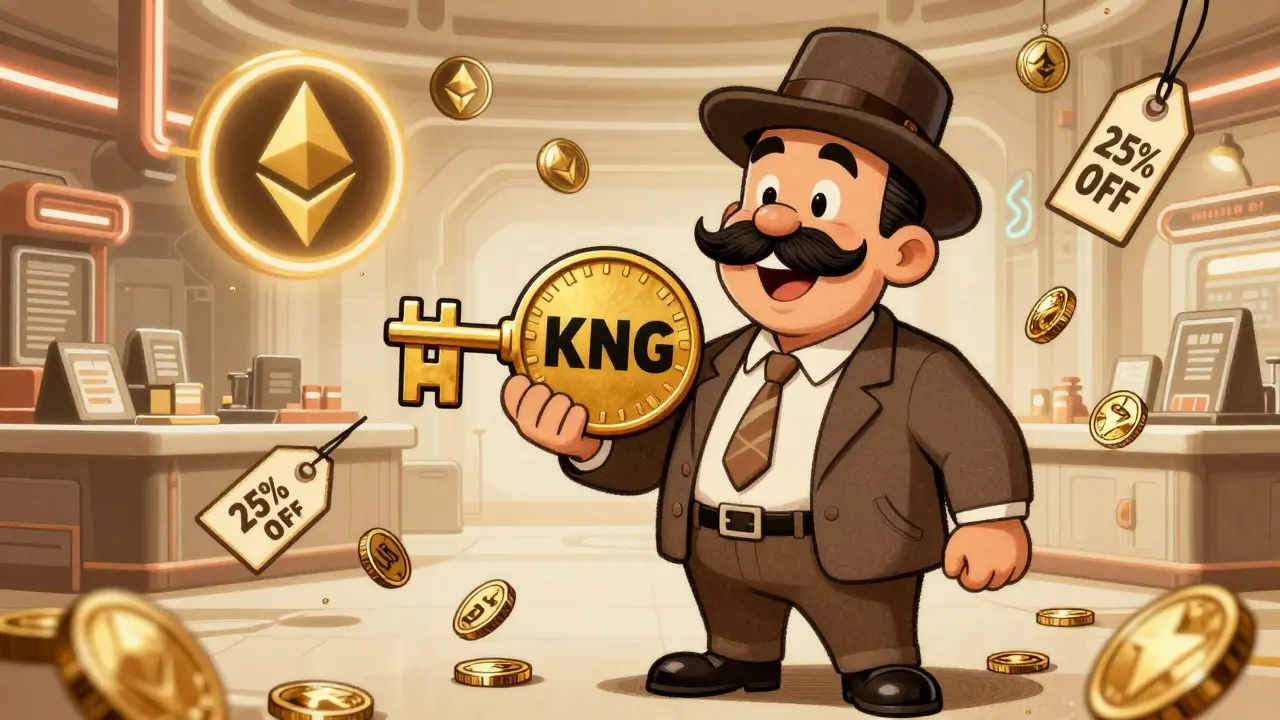
KNG is the utility token powering Kanga Exchange, offering fee discounts, staking rewards, and loan collateral. Learn how it works, where to buy it, and whether it's worth holding in 2025.
Continue reading