How Venezuelans Use Crypto Amid Hyperinflation
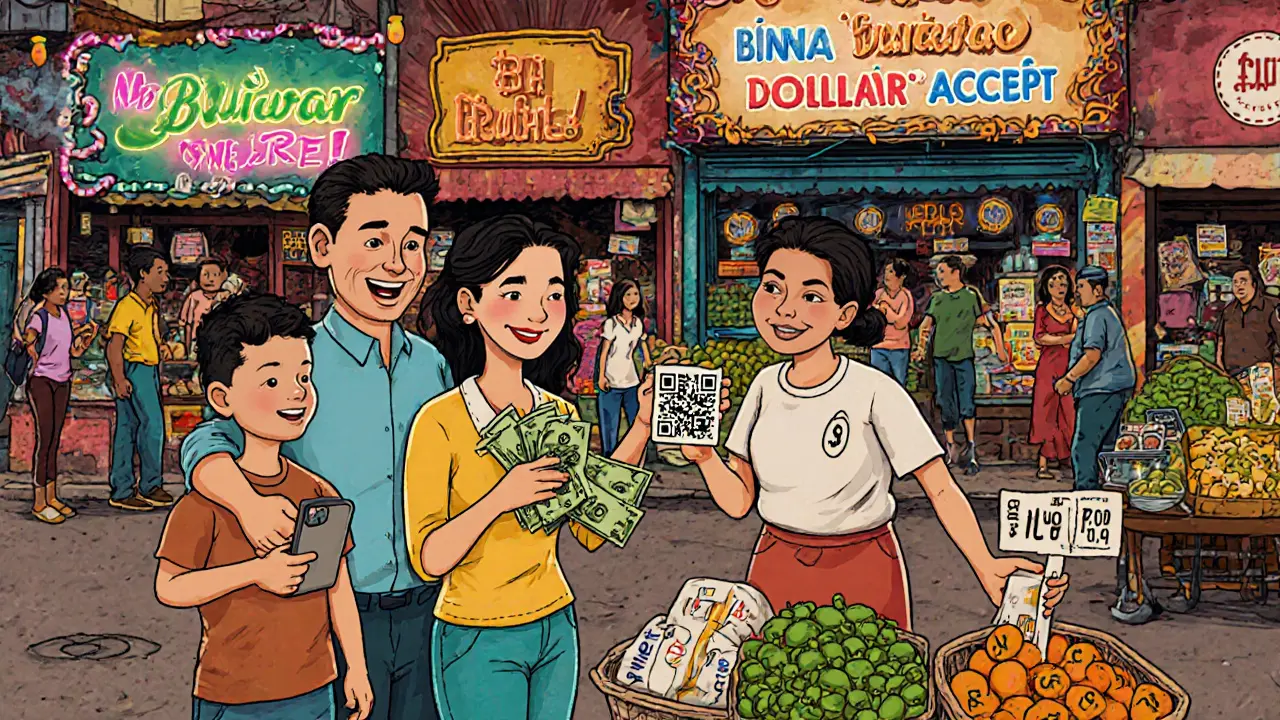
Venezuelans use crypto like USDT to survive hyperinflation, paying for food, rent, and remittances when the bolívar collapses. Bitcoin and stablecoins have replaced cash as the real currency.
When a country’s money becomes worthless overnight, people don’t wait for government fixes—they find alternatives. Hyperinflation crypto, the use of digital currencies to protect savings when national money collapses. Also known as inflation-resistant crypto, it’s not a theory—it’s what millions in Venezuela, Nigeria, and Argentina do every day. This isn’t about getting rich quick. It’s about keeping food on the table when your salary buys less than a loaf of bread the next week.
Hyperinflation doesn’t happen in a vacuum. It’s caused by printing too much money, broken economies, or loss of trust in central banks. When that happens, crypto steps in because it’s not controlled by any single government. Bitcoin, stablecoins like USDT, and even lesser-known tokens become lifelines. People trade them on peer-to-peer platforms, send money across borders without banks, and store value without fear of sudden devaluation. The fiat currency collapse, when a national currency loses its purchasing power so fast it becomes unusable is the trigger. And crypto as hedge, using digital assets to protect wealth from rapid inflation is the response.
Look at the posts below. You’ll see how people in Pakistan, Vietnam, and even Iceland deal with economic pressure—not just through policy changes, but through action. Some are buying crypto to bypass capital controls. Others are using tokens to pay for services when local banks freeze accounts. A few are even trading meme coins like Baby Solana or GSTS not because they believe in the project, but because it’s the only liquid asset they can get their hands on. These aren’t investments. They’re survival tactics.
The truth? Hyperinflation crypto isn’t about speculation. It’s about access. When your bank won’t let you move money, when your salary evaporates in weeks, and when the government bans cash transfers—you turn to something that runs on code, not bureaucracy. That’s why crypto adoption spikes in crisis zones. Not because it’s trendy. Because it works.
What follows are real stories of people using crypto when the system failed them. No fluff. No hype. Just what happened, who did it, and why it matters.
Venezuelans use crypto like USDT to survive hyperinflation, paying for food, rent, and remittances when the bolívar collapses. Bitcoin and stablecoins have replaced cash as the real currency.