Margin Trading Risks and Rewards in Crypto Markets
Margin trading in crypto can multiply profits but also lead to total losses. Learn how leverage works, why most traders fail, and how to trade safely without getting liquidated.
When you hear crypto risks, the dangers that come with owning, trading, or investing in digital assets. Also known as cryptocurrency dangers, it includes everything from losing access to your wallet to falling for fake projects that vanish overnight. This isn’t theoretical. Thousands of people lose their crypto every year—not because the market crashed, but because they didn’t understand how simple mistakes can be fatal.
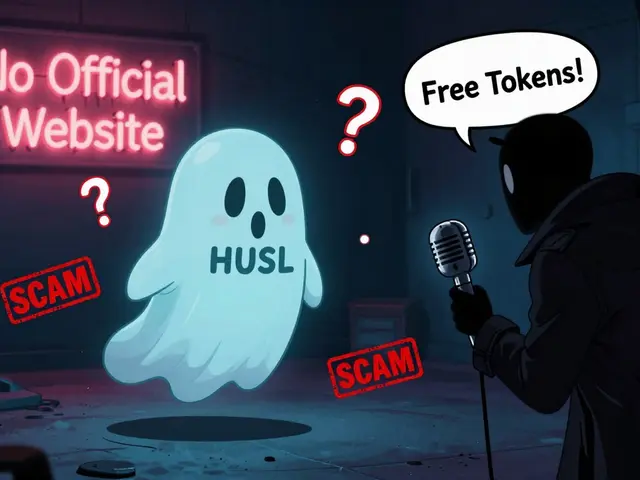
One of the biggest seed phrase loss, the irreversible loss of access to crypto funds when the recovery phrase is forgotten or stolen. Also known as lost private key, it’s not a glitch—it’s by design. No tech support, no reset button, no magic fix. If you don’t have your 12 or 24 words, your coins are gone forever. That’s not a rumor. That’s the reality behind posts like "Can You Recover Crypto Without Seed Phrase?"—and it’s why backup practices matter more than any trading strategy. Then there’s airdrop scams, fake token distributions designed to steal your private keys or trick you into paying fees. Also known as fake crypto giveaways, they show up as "free SSF tokens" or "xSuter claims" with no official website, no team, and no history. Projects like SecretSky.finance and SCIX never existed—but the scams did. And they’re still running. And don’t forget DeFi risks, the hidden dangers of lending, staking, or trading on decentralized platforms without traditional safeguards. Also known as smart contract risks, they’re why LeetSwap collapsed after a hack, why BAMP tokens are locked with zero trading volume, and why Subnet Tokens isn’t even a real exchange. These aren’t bugs. They’re features of a system built on trust, not regulation.
Most crypto losses don’t come from hackers. They come from ignorance. You think you’re getting in on the next big meme coin, but you’re really handing over your wallet to a scammer. You think an airdrop is free money, but it’s a trap that steals your keys. You think DeFi gives you control, but a single bad contract can drain your account in seconds. The posts here aren’t just warnings—they’re survival guides. You’ll find real stories: Venezuelans using USDT to buy groceries, Iceland’s mining freeze, Pakistan’s legal shift, and why Bitcoin halving doesn’t protect you from bad choices. This isn’t about getting rich. It’s about not getting ruined.
What you’ll see below isn’t hype. It’s the truth—about failed tokens, ghost exchanges, vanished airdrops, and crypto projects that never delivered. If you’re holding crypto, you need to know what can go wrong. And how to stop it before it’s too late.
Margin trading in crypto can multiply profits but also lead to total losses. Learn how leverage works, why most traders fail, and how to trade safely without getting liquidated.