Crypto Exchange Scam: How to Spot Fake Platforms and Avoid Losing Your Crypto
When you hear crypto exchange scam, a deceptive platform pretending to be a legitimate place to buy, sell, or trade digital assets. Also known as fake crypto exchange, it often looks real—clean design, fake testimonials, even fake customer support—but it’s built to steal your money and vanish. These aren’t rare mistakes. They’re organized operations targeting people who trust what they see online.
Most crypto exchange scams, platforms that mimic real exchanges like Binance or Coinbase but have no infrastructure, no licenses, and no security. Also known as unregulated exchange, they rely on one thing: urgency. They push you to deposit fast with promises of high returns, exclusive airdrops, or limited-time bonuses. Look at posts like the one on BitUBU exchange, a platform with low fees but zero transparency on security or regulation, or Spectre Network, marketed as an exchange but actually just a worthless token with no real trading system. Both were sold as opportunities, but neither had the backbone to back up their claims.
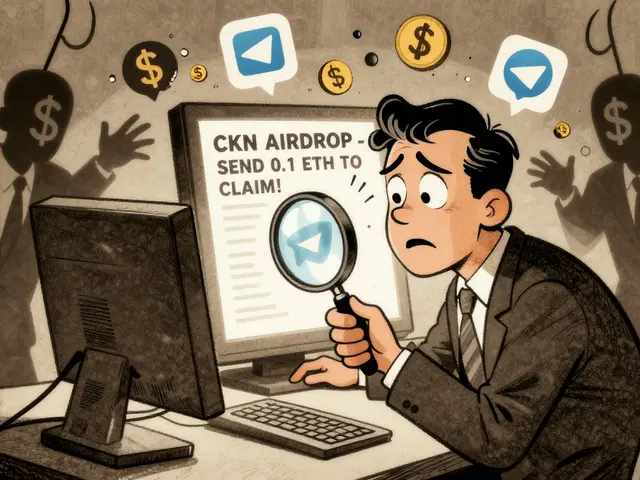
And it’s not just exchanges. Scammers tie fake airdrops to them—like the BSC AMP airdrop, a rumor with zero trading volume and 99.6% of tokens locked, or the SecretSky.finance airdrop, a website with no app, no team, and no way to claim tokens. These aren’t giveaways. They’re traps. You’re asked to connect your wallet, sign a transaction, and suddenly your funds are gone. No warning. No refund.
The pattern is always the same: no real team, no public audits, no clear roadmap, and a desperate push to act now. Real exchanges like those in the UAE, a country with clear crypto laws and licensed platforms or PVARA, Pakistan’s new virtual asset regulator follow rules. Scams break them. They don’t care about compliance—they care about your private keys.
You don’t need to be an expert to stay safe. Just ask: Is this platform listed on CoinGecko or CoinMarketCap? Does it have public KYC? Can you find a real CEO or team on LinkedIn? Is the website using HTTPS and a verified domain? If any answer is no, walk away. The biggest risk isn’t losing money—it’s thinking you’re being smart when you’re being fooled.
Below, you’ll find real reviews, breakdowns of fake projects, and clear warnings about what to avoid. No fluff. No hype. Just what works—and what gets people ripped off.
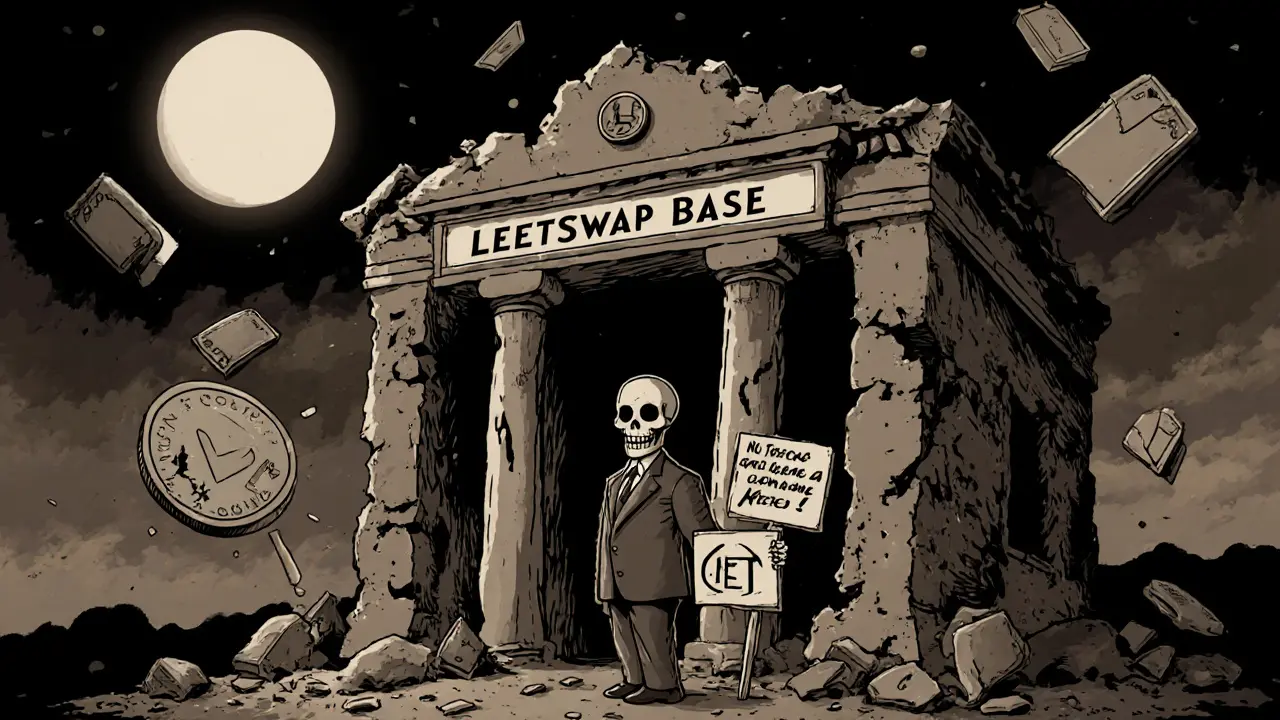
LeetSwap (Base) was a failed decentralized exchange that collapsed after a July 2023 exploit. With zero trading volume, no team response, and no recovery options, it stands as a warning for crypto users.
Continue reading