Bitcoin Mining Distribution: Who Controls the Hash Power and Why It Matters
When you hear about Bitcoin mining distribution, how the computational power securing the Bitcoin network is spread across different entities. It's not just about who runs the machines—it's about who holds the keys to Bitcoin's survival. Unlike banks or governments, Bitcoin has no CEO or board. Its security relies entirely on miners—people and companies using powerful computers to verify transactions and add new blocks. But if just a few players control most of that power, the whole system becomes vulnerable.
That’s why Bitcoin mining pools, groups of miners who combine their computing power to increase their chances of earning rewards matter so much. These pools let smaller miners join forces, but they also concentrate control. A single pool like Foundry USA or Antpool can hold over 20% of the global hash rate. If one of them went offline—or worse, got hacked or pressured by a government—it could slow down Bitcoin’s network or even threaten its integrity. That’s not speculation. It’s happened before.
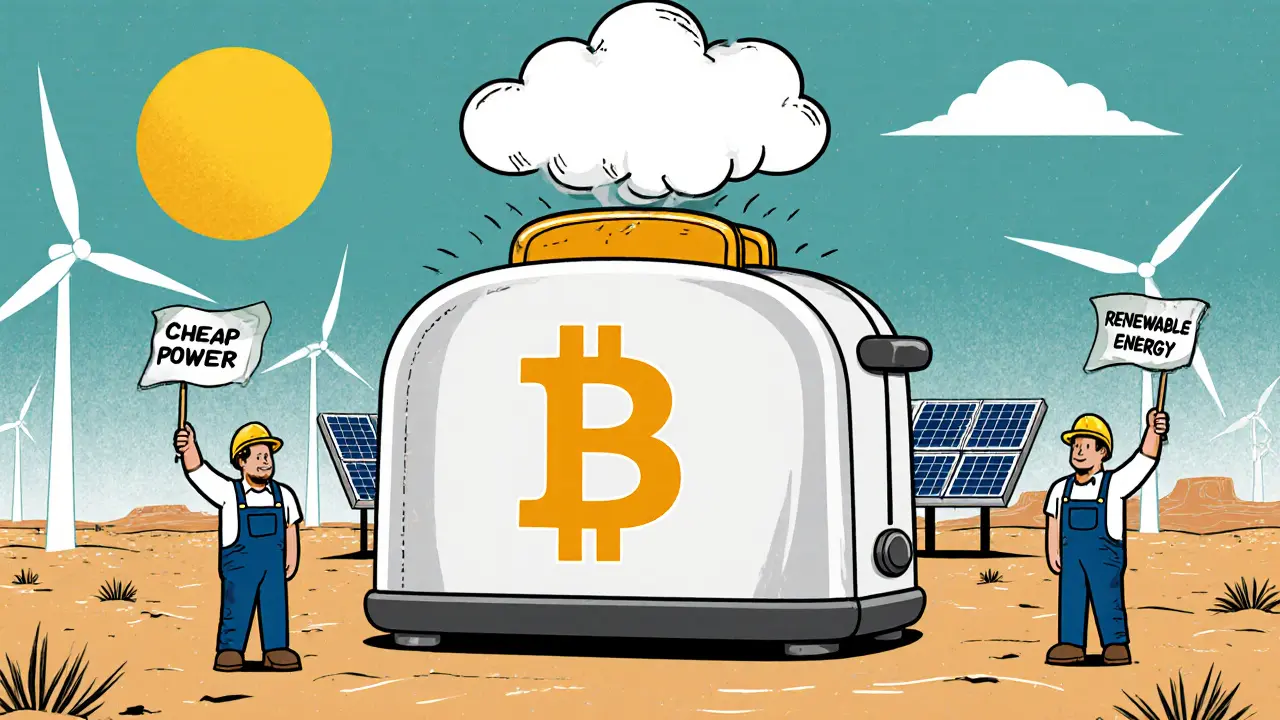
And then there’s Bitcoin mining power, the actual electricity and hardware used to run mining operations. In 2024, over 70% of Bitcoin mining happened in just three places: the U.S., Kazakhstan, and Russia. But after Kazakhstan’s power outages and Russia’s sanctions, many miners moved to Texas and Georgia. Why? Because they needed cheap, reliable energy. Iceland used to be a hotspot too—until the government capped energy use for mining. Now, miners chase renewables: solar in Texas, hydro in Canada, geothermal in El Salvador. The geography of mining is changing fast, and it’s not just about cost—it’s about control.
What does this mean for you? If mining power is too centralized, Bitcoin loses its core promise: decentralization. A few corporations or governments could theoretically block transactions, delay confirmations, or even attempt a 51% attack. That’s why the Bitcoin mining distribution isn’t just a technical detail—it’s a political and economic one too. The more spread out the miners, the safer the network.
Below, you’ll find real-world stories about how mining power shifts, what happens when energy rules change, and why some crypto projects fail because they ignore this basic truth. From Iceland’s power freeze to the rise of U.S. mining hubs, these posts show you exactly how Bitcoin’s backbone is built—and broken.
As of 2025, the U.S. leads global Bitcoin mining with 44% of the hash rate, followed by Kazakhstan, Russia, and Canada. Learn where mining power is concentrated, why geography matters for security, and how renewable energy is reshaping the industry.
Continue reading