You’ve likely seen the buzz about the TENFI airdrop and are wondering if you can claim free tokens. It’s easy to get swept up in the excitement of potential windfalls, but with so many scams circulating in the crypto space, caution is your best friend. Before you connect any wallets or click on suspicious links, let’s break down exactly what this project claims to offer, how these types of distributions usually work, and most importantly, how to protect your assets while participating.
What Is the TEN Network?
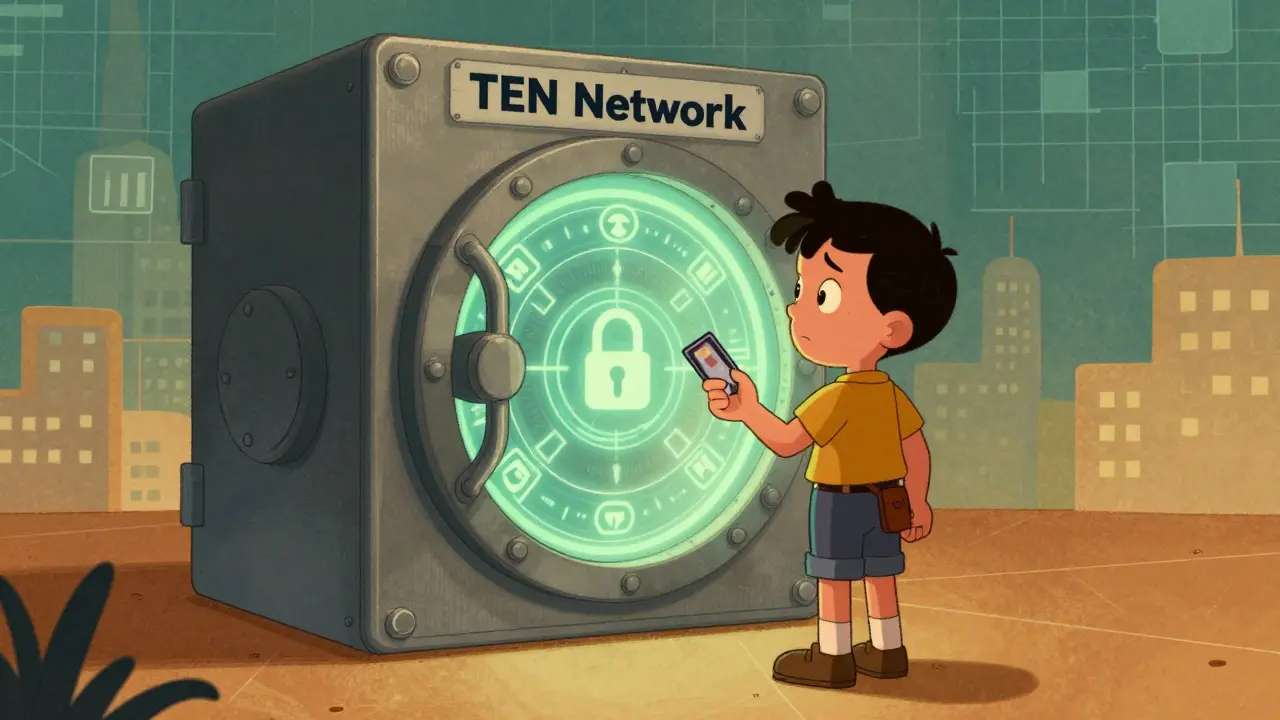
To understand the airdrop, you first need to know who is behind it. The TEN Network (often referred to simply as TEN) is a decentralized protocol focused on privacy and scalability. Unlike traditional blockchains that expose transaction data publicly, TEN uses zero-knowledge proofs (ZKPs) to ensure that users can verify transactions without revealing sensitive details like balances or sender information. Think of it as a secure vault where only you hold the key, yet the bank still knows the system is balanced.
The native token of this ecosystem is $TEN. This token serves multiple purposes: it pays for gas fees on the network, acts as collateral for various financial products, and governs decisions within the community. When projects like TEN launch new initiatives, they often use airdrops to distribute utility tokens to early adopters, incentivizing network growth and decentralization.
Understanding the TENFI Token Concept
While specific documentation for a standalone "TENFI" token might be sparse or still under development, the term generally refers to the financial layer of the TEN ecosystem. In decentralized finance (DeFi), protocols often split their functionality into different tokens. One token handles governance and infrastructure (like $TEN), while another might handle yield generation, lending, or staking rewards (hypothetically TENFI).
If an airdrop is being offered, it typically targets users who have already interacted with the TEN network. This could mean:
- Staking $TEN tokens in official pools.
- Using TEN-based bridges to move assets between chains.
- Participating in testnet activities during earlier phases.
- Holding $TEN in a compatible wallet at a specific snapshot date.
These actions prove you’re a genuine user rather than a bot trying to farm free tokens. Projects reward loyalty and actual usage, not just speculation.
How Typical Crypto Airdrops Work
Since detailed, verified mechanics for this specific drop may vary or evolve, understanding the standard playbook helps you navigate safely. Most legitimate airdrops follow a similar structure:
- Snapshots: The team takes a picture of the blockchain at a specific block height. They record who holds certain tokens or has performed specific actions.
- Eligibility Check: Algorithms filter out sybil attackers (people creating thousands of fake wallets). Only unique, active addresses qualify.
- Claim Window: Qualified users receive a notification or find themselves eligible on a claim portal. There’s usually a deadline-miss it, and the tokens burn or go back to the treasury.
- Distribution: Tokens are sent directly to your wallet address after you pay a small gas fee to execute the claim transaction.
For TEN-related opportunities, always check if the requirement involves interacting with smart contracts. If so, ensure those contracts are audited by reputable firms like CertiK or Trail of Bits. Unaudited code is a major red flag.
Step-by-Step: How to Prepare Safely
Even if you’re unsure whether you qualify, preparing your setup correctly minimizes risk. Here’s how to get ready without exposing yourself to threats.
1. Use a Dedicated Wallet
Never use your main wallet holding significant funds for airdrop interactions. Create a separate MetaMask or Rabby Wallet specifically for testing and claiming. Fund it with only enough ETH or MATIC (depending on the chain) to cover gas fees. If something goes wrong, your primary assets remain untouched.
2. Verify Official Channels
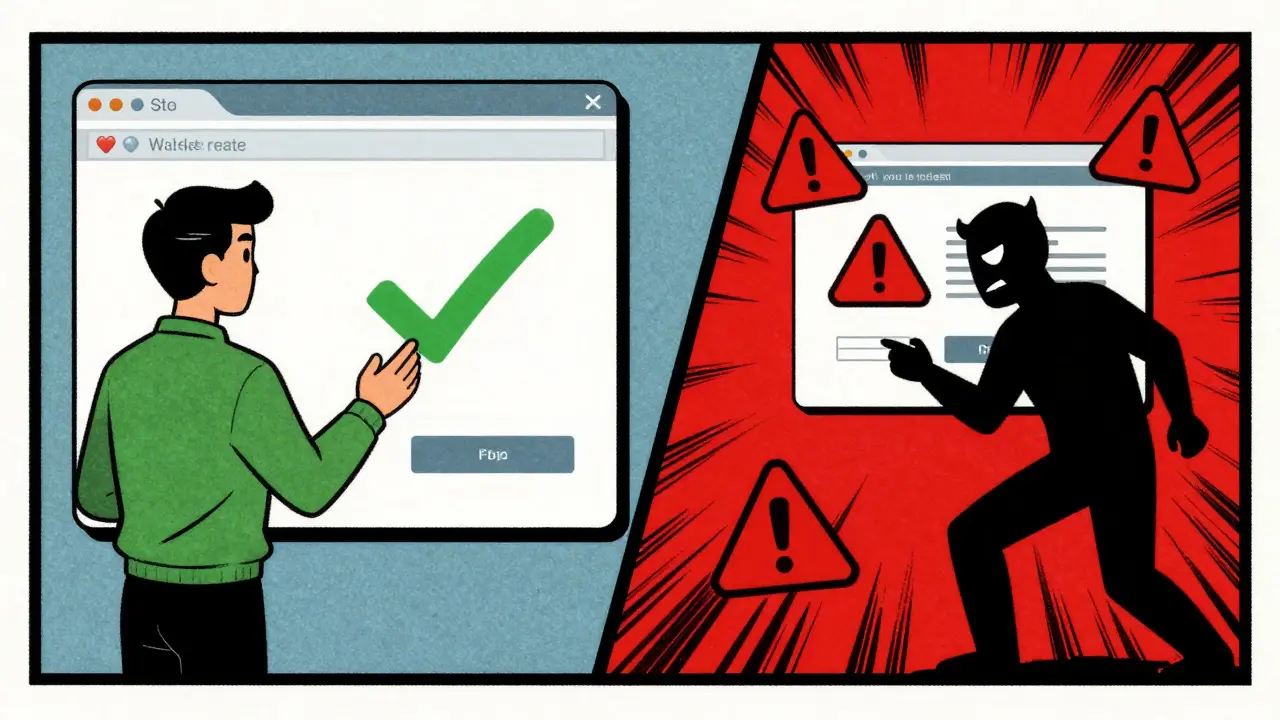
Scammers create fake websites that look identical to the real thing. Always access the project through its official Twitter/X account or Discord server. Look for the blue checkmark and cross-reference URLs. Do not click links from random DMs or Telegram groups promising “guaranteed” allocations.
3. Revoke Permissions Regularly
If you interact with a dApp (decentralized application) to check eligibility, you might grant token approval. Afterward, visit tools like Revoke.cash to remove unnecessary permissions. This prevents malicious contracts from draining your wallet later.
4. Monitor Gas Prices
Airdrop claim periods often see high network congestion. Gas prices spike when everyone tries to claim at once. Wait for off-peak hours or use Layer 2 solutions if supported. Paying excessive gas can sometimes cost more than the airdrop value itself.
Red Flags: Spotting Scams Early
The crypto space is rife with phishing attempts targeting airdrop hunters. Watch out for these warning signs:
| Indicator | Why It’s Dangerous | Safe Alternative |
|---|---|---|
| Asking for Private Keys | No legitimate service ever needs your private key or seed phrase. | Only sign transactions via wallet interface. |
| Urgency Tactics | “Claim now or lose forever!” pressures you into skipping verification steps. | Take time to research; real projects give reasonable windows. |
| Unverified Smart Contracts | Malicious code can drain all ERC-20 tokens in your wallet. | Check Etherscan/Snowtrace for verified source code. |
| Too Good To Be True Values | Promising thousands of dollars for minimal effort is unrealistic. | Expect modest rewards based on historical participation. |
If a site asks you to enter your 12-word recovery phrase, close it immediately. That single action gives full control of your funds to the attacker. Legitimate airdrops require only your public wallet address and signature approvals.
Tax Implications of Airdropped Tokens
Receiving free tokens isn’t always tax-free. In many jurisdictions, including the US and parts of Europe, airdropped tokens are considered taxable income at fair market value on the day you receive them. You’ll need to report this income even if you don’t sell the tokens immediately.
Keep records of:
- The exact date and time of receipt.
- The price of the token at that moment.
- Any gas fees paid to claim (which may be deductible).
When you eventually sell or trade the tokens, you’ll also owe capital gains tax on the difference between the initial value and the sale price. Consult a local tax professional familiar with cryptocurrency regulations to stay compliant.
Alternatives to Passive Airdrops
If you miss the window or don’t qualify, there are other ways to earn within the TEN ecosystem. Staking $TEN allows you to earn rewards while securing the network. Yield farming involves providing liquidity to decentralized exchanges, earning trading fees in return. These methods require upfront capital but offer predictable returns compared to the lottery-like nature of airdrops.
Additionally, joining the community as a contributor-writing guides, translating docs, or reporting bugs-can lead to grants or bounties. Active participation builds reputation and long-term value beyond short-term token giveaways.
Final Thoughts on Participating Responsibly
The promise of free money is powerful, but in crypto, nothing is truly free. Every airdrop costs the project treasury real value, which they recoup through increased adoption and future token appreciation. Your role is to participate safely, verify everything twice, and never compromise your security for a chance at rewards. Stay skeptical, stay informed, and keep your keys private.
Is the TENFI airdrop legit?
Legitimacy depends on official confirmation from the TEN Network team. Always verify announcements through their verified Twitter, Discord, or website. Beware of third-party sites claiming to distribute tokens without direct links from official channels.
Do I need to pay to claim an airdrop?
You typically only need to pay gas fees for the blockchain transaction to claim the tokens. Never send funds upfront or provide private keys. If a site asks for payment before revealing your allocation, it is likely a scam.
What happens if I miss the claim window?
If you don’t claim within the specified timeframe, the unclaimed tokens are usually returned to the project’s treasury or burned. You cannot retroactively claim them unless the team extends the period, which is rare.
Can bots detect my airdrop activity?
Yes, sophisticated projects use Sybil detection algorithms to identify automated behavior. Using multiple wallets or interacting with contracts rapidly can flag your accounts, resulting in disqualification. Act naturally and focus on genuine usage.
Are airdropped tokens immediately tradable?
It varies by project. Some tokens vest over time, meaning you unlock portions gradually. Others are liquid immediately upon claiming. Check the tokenomics documentation to see if there are lock-up periods or trading restrictions.