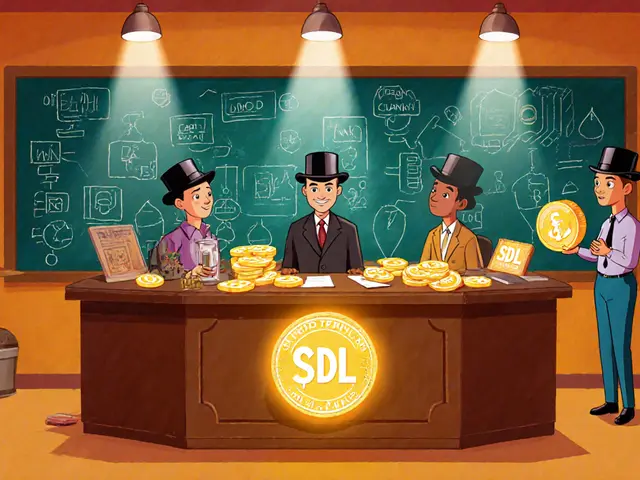
SSF Token: What It Is, Why It Matters, and What You Need to Know
When you hear SSF token, a little-known cryptocurrency with no public project, team, or trading history. Also known as SSF coin, it appears in forums and Telegram groups as a potential airdrop or next big thing—but there’s zero verified data behind it. Most tokens like this don’t launch. They’re just noise. Crypto is full of names that sound promising but vanish before anyone can use them. SSF token is one of them.
Real crypto tokens have DeFi protocols, decentralized financial systems that let you lend, borrow, or trade without banks. They have whitepapers, GitHub repos, team members you can find on LinkedIn, and trading volume on exchanges like Uniswap or PancakeSwap. SSF token has none of that. It’s not listed anywhere. No liquidity. No contract address you can verify. That’s not a project—it’s a ghost. And ghosts don’t pay out.
People chasing SSF token are usually looking for free money—like the token airdrop, a free distribution of crypto tokens to early users or community members that actually happened with SAKE or Legion’s LGX. Those had rules, timelines, and ways to prove you qualified. SSF? No website. No Twitter. No Discord. Just a name someone typed into a Google search and now you’re seeing it pop up in a scammy ad.
Scammers love using names like SSF because they’re short, vague, and easy to fake. They’ll send you a link to "claim" it. They’ll ask for your wallet seed phrase. They’ll say it’s about to explode. It’s not. It’s a trap. The same pattern shows up in posts about xSuter, SCIX, and BAMP—names that sound like real projects but have no substance. If you can’t find a single credible source talking about it, it’s not real.
You don’t need to chase every new token. You need to learn how to tell the difference between something that’s built and something that’s just a name on a screen. The best crypto investors don’t follow hype. They follow proof. They check contracts. They look at team history. They wait for real trading activity. SSF token doesn’t pass any of those tests. And if you’re wondering why so many tokens disappear—this is why.
Below, you’ll find real examples of tokens that did launch, failed, or turned into scams. You’ll see how airdrops actually work, what red flags to watch for, and how to protect yourself before you click "claim" on something that doesn’t exist. Skip the ghosts. Learn how to spot the real ones.
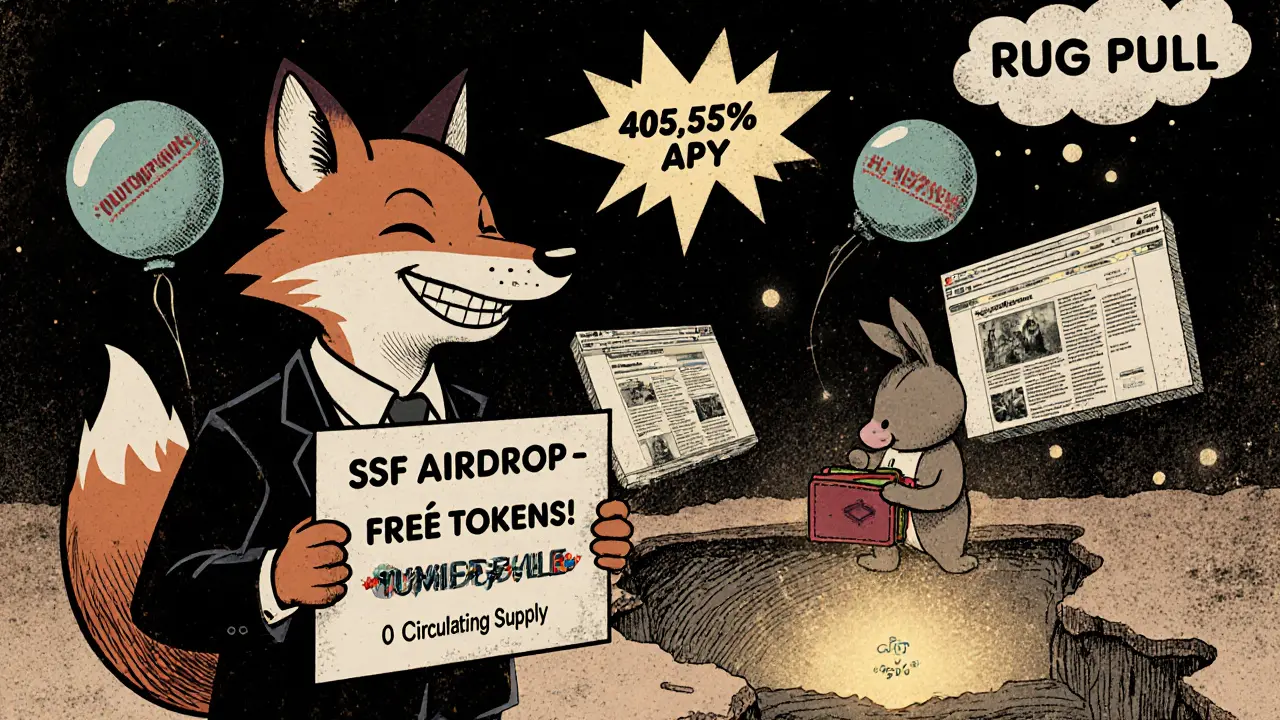
SecretSky.finance claims to offer an SSF token airdrop, but there's no official campaign, no trading volume, and no working app. Learn why this is a scam and how to avoid losing your crypto to fake airdrops.
Continue reading