SCIX (Scientix) Airdrop: What We Know and What You Need to Check
There is no official SCIX airdrop as of 2025. Learn how to spot fake Scientix token scams, where to safely buy SCIX, and what to look for before investing in any new crypto project.
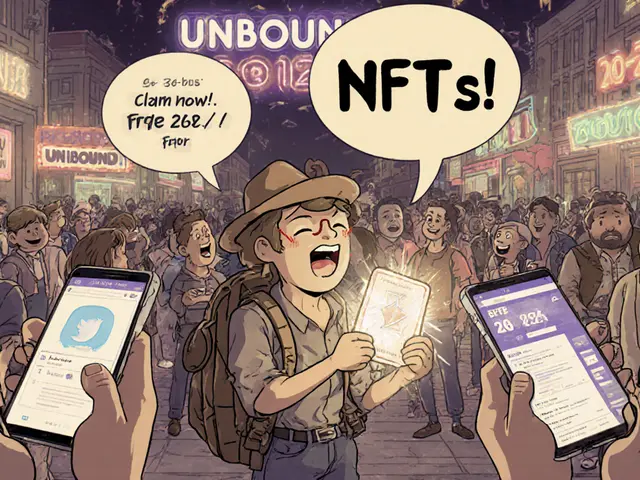
There is no such thing as Scientix crypto, a nonexistent cryptocurrency project often falsely advertised in airdrop forums and Telegram groups. Also known as Scientix token, it appears in search results only because scammers copy-paste the name into fake websites and misleading ads. If you’ve seen a link claiming you can claim Scientix tokens, you’re being targeted by a phishing scheme. This isn’t an obscure coin—it’s a ghost. No whitepaper, no team, no blockchain address, no trading history. It doesn’t exist on any major exchange, and no legitimate crypto project has ever used this name.
What you’re seeing is part of a much bigger pattern. Fake crypto names like Scientix, xSuter, SecretSky, and BAMP are used to lure people into connecting wallets, entering private keys, or paying "gas fees" to claim non-existent tokens. These scams thrive because they copy the language of real projects: "limited airdrop," "early access," "exclusive rewards." But real projects like OpenDAO (SOS), a token airdropped to OpenSea users in 2021 that faded due to zero development or SPIN, a GameFi token from Spintop Network that had real distribution but collapsed from lack of utility at least had a launch, a team, and a traceable history. Scientix has none of that.
Why do these fake names keep popping up? Because they’re cheap to make and easy to spread. Scammers don’t need to build anything—they just need you to click. The same people pushing Scientix are also pushing fake versions of Base, Legion, and SAKE airdrops. They rely on FOMO, not facts. If a project doesn’t have a verified website, a public GitHub, or a listing on CoinGecko or CoinMarketCap, it’s not real. And if someone tells you to send crypto to claim it, that’s a red flag flashing brighter than a phishing site.
You don’t need to chase ghosts. The real value in crypto isn’t in claiming tokens that don’t exist—it’s in learning what actually works. Below, you’ll find real case studies of airdrops that faded, exchanges that failed, and tokens that were nothing but hype. You’ll see how Pakistan and the UAE shaped their crypto rules, how Iceland ran out of power for miners, and why tokens like Baby Solana and NextEarth are barely worth a cent. These aren’t speculative rants—they’re documented failures. Learn from them. Avoid the Scientix trap. And don’t let fake names steal your crypto.
There is no official SCIX airdrop as of 2025. Learn how to spot fake Scientix token scams, where to safely buy SCIX, and what to look for before investing in any new crypto project.