MMF Scam: How Fake Crypto Projects Trick Users and How to Avoid Them
When you hear MMF scam, a deceptive scheme pretending to be a legitimate crypto project to steal user funds or private keys. Also known as fake airdrop scam, it often shows up as a free token offer on social media, promising huge returns if you connect your wallet or send a small amount of crypto first. These scams don’t need a fancy website or whitepaper—they just need you to click, connect, and trust. And that’s exactly what they count on.
Most fake airdrop, a fraudulent claim that you can claim free crypto tokens without paying anything. Also known as fake token distribution, it relies on urgency and greed. You’ll see posts saying "Claim your MMF tokens before the deadline" or "Only 100 wallets left"—but there’s no real project behind it. These are copy-paste scams, often using the same fake website templates as the crypto fraud, any scheme designed to deceive users into giving up their crypto assets or wallet access. Also known as crypto theft, it’s happened to thousands using platforms like Binance Smart Chain, Base, and Solana. Look at posts like the Galaxy Adventure Chest NFT airdrop or the SecretSky.finance SSF token claims—they’re not isolated cases. They’re part of a pattern.
What makes these scams dangerous is how they mimic real projects. The fake MMF site might look like MDEX or Kanga Exchange—same colors, same layout, even fake Twitter accounts with blue checks bought from shady sellers. They’ll ask you to approve a transaction that doesn’t just send tokens—it gives them full control over your wallet. Once you sign, they drain everything: your ETH, your USDT, your NFTs. No recovery. No help. No second chances. This isn’t a glitch—it’s by design. Just like how you can’t recover crypto without your seed phrase, you can’t undo a malicious smart contract approval.
Real crypto projects don’t beg you to claim tokens. They don’t pressure you. They don’t ask for your private key. They don’t send you direct messages on Telegram. If it sounds too good to be true, it’s not just suspicious—it’s a trap. The DeFi scam, a fraudulent decentralized finance project that tricks users into locking funds in fake liquidity pools or staking contracts. Also known as rug pull, it’s the same machine behind MMF scams. Projects like LeetSwap and Gunstar Metaverse didn’t fail because of bad luck—they were built to vanish. The only difference? MMF scams don’t even bother pretending to be a product.
You don’t need to be an expert to stay safe. Just remember: if you didn’t hear about it from a trusted source, if there’s no GitHub, no team names, no audit reports, and no trading volume—walk away. Check the token contract. Look at the liquidity pool. See if the devs have ever responded to questions. If it’s silent, it’s dead. Or worse, it’s a robbery in progress.
The posts below show you exactly how these scams play out—from fake airdrops that look real to exchanges that vanish overnight. You’ll see real examples of what to avoid, how to spot the lies, and what steps actually protect your money. No fluff. No hype. Just the facts you need before you click "Connect Wallet."
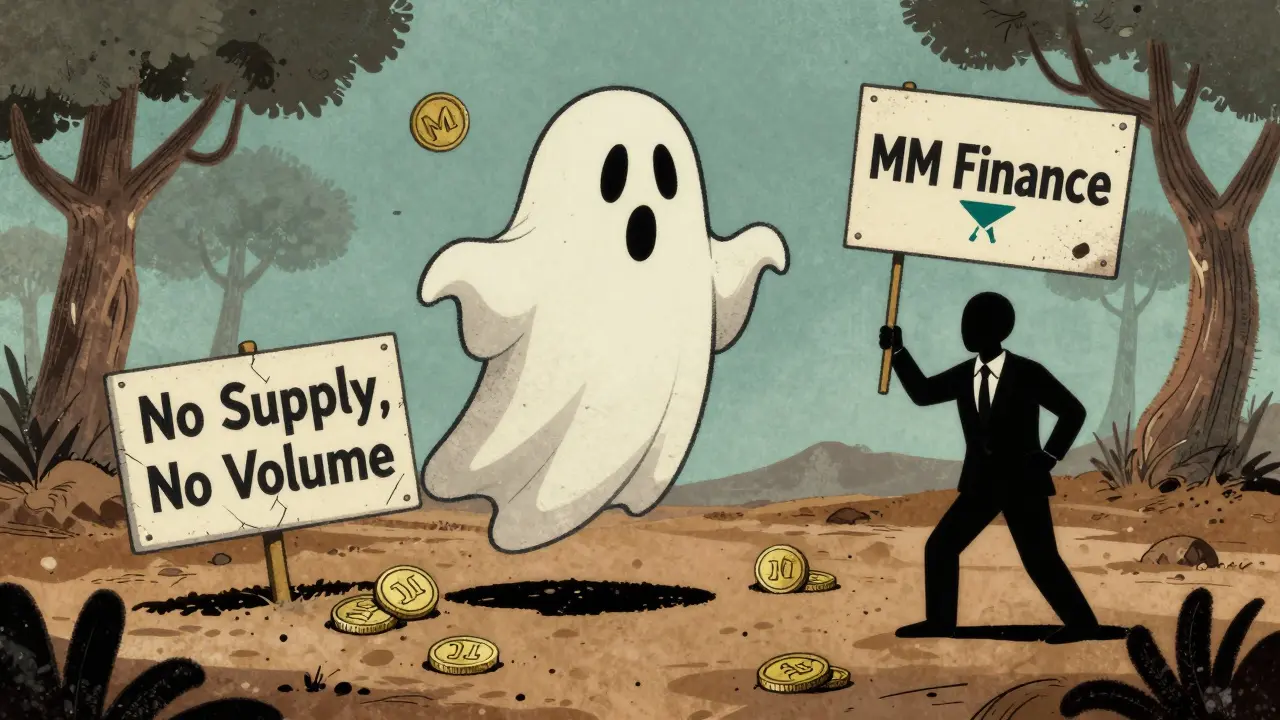
MM Finance (Polygon) is not a real crypto exchange. The MMF token has zero circulating supply, no trading volume, and no connection to the legitimate MM Finance platform. Avoid it-it's a dead or scam project.
Continue reading