MAPS crypto: What It Is, How It Works, and What You Need to Know
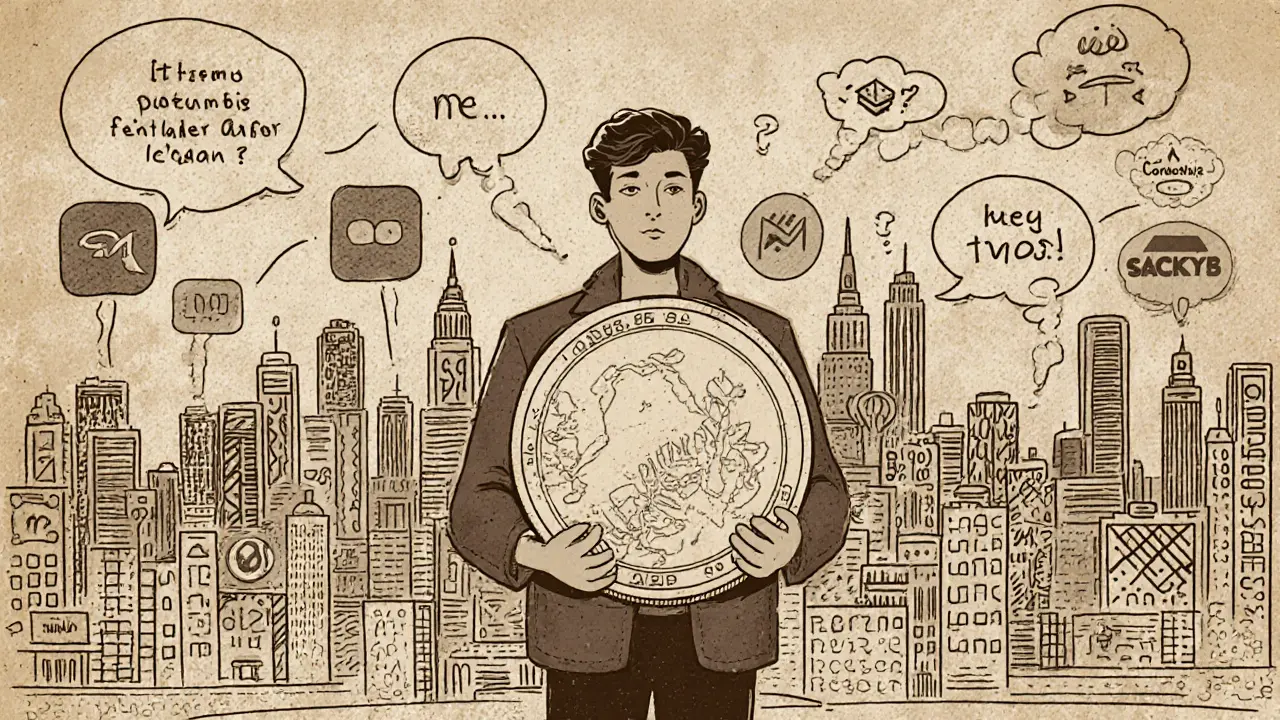
When people talk about MAPS crypto, blockchain-based projects that tie geographic data or location services to token rewards. Also known as geospatial crypto, it location-based crypto, it’s not about digital maps you use for navigation—it’s about earning tokens for sharing real-world location data, verifying map accuracy, or contributing to decentralized mapping networks.
MAPS crypto isn’t one coin. It’s a category. Some projects pay you for walking around and tagging real places on a blockchain map. Others let you stake tokens to verify satellite imagery or validate GPS points. These systems rely on blockchain mapping, a decentralized way to build and update geographic databases without relying on companies like Google. Think of it like Wikipedia for maps—but instead of editing text, you’re pinning locations, and you get paid in crypto. The big twist? These projects often use crypto location data, real-time or historical geographic information collected by users and stored on-chain. That data becomes valuable because it’s owned by the community, not a corporation.
But here’s the catch: most MAPS crypto projects are either dead, barely alive, or outright scams. You’ll find tokens with names like MAPS, GEO, or LOC that promise big rewards for walking or checking in—but they have zero trading volume, no team, and no working app. Real projects like GeoDB, a platform that paid users for sharing location data in exchange for GEO tokens. had a real model, but the tokens crashed. Others, like NextEarth or Subnet Tokens, tried to blend mapping with metaverse land—but faded fast. The ones that survive? They focus on utility: fixing map errors, helping delivery apps, or powering drone navigation with decentralized data.
If you’re looking at a MAPS crypto project, ask: Is there actual movement? Are people using the map? Is the token traded on any real exchange? Or is it just a screenshot of a fake dashboard with a ‘claim your tokens’ button? Most aren’t worth your time. But the idea? It’s powerful. Imagine a world where your daily walk helps build a better map for everyone—and you get paid for it. That’s the dream. The reality? Still early, messy, and full of noise. Below, you’ll find real breakdowns of the projects that tried this, what went wrong, and what actually worked. No hype. Just facts.
MAPS (MAPS) is a crypto token tied to the MAPS.ME mapping app, but it's rarely used. With low liquidity, no real utility, and a crashed price, it's more of a relic than a viable investment.
Continue reading