BitUBU Crypto Exchange Review: Is It Safe and Worth Using in 2025?
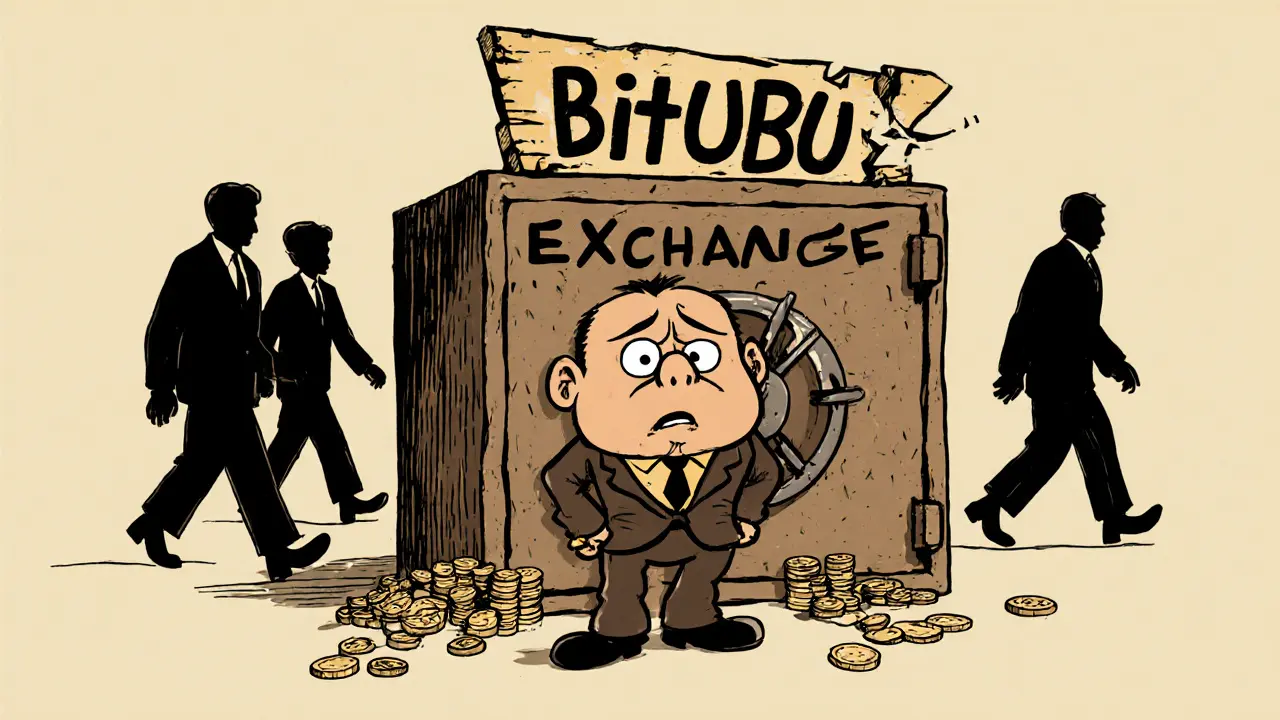
BitUBU crypto exchange offers low fees and many coins but lacks regulation, security disclosures, and user trust. Find out why it's not safe for most traders in 2025.
When you trade on BitUBU, a decentralized crypto exchange platform that claims low fees and fast trades. Also known as BitUBU DEX, it's one of many platforms trying to win users with promises of cheap trading. But here’s the thing: a 0.1% fee might sound small until you realize you’re paying it every time you swap, add liquidity, or withdraw. And if you’re not checking the full cost—gas, slippage, network fees—you could be losing money without even knowing it.
Trading fees aren’t just about what the exchange charges. They’re part of a bigger system that includes blockchain gas fees, the cost to process your transaction on the network, like Ethereum or BSC, and slippage, the price difference between what you expect and what you actually get when trading large amounts. On low-liquidity pairs, slippage can be 5% or more—far worse than any exchange fee. That’s why some users on Uniswap v3 on Blast, a Layer 2 DEX with lower fees and native yield, end up better off even if their platform’s fee is slightly higher. It’s not just about the percentage—it’s about the total cost of execution.
BitUBU might advertise itself as a low-cost option, but without transparency, you’re guessing. Compare it to platforms like Cellana Finance, a DEX using a ve(3,3) token model that rewards long-term liquidity providers, or even centralized exchanges like those in the UAE, where regulatory clarity lets exchanges offer competitive fee structures with institutional-grade security. The best exchange isn’t the one with the lowest headline fee—it’s the one that gives you the best net return after all hidden costs.
What you’ll find in the posts below aren’t just random reviews. They’re real stories from users who got burned by hidden fees, fake exchanges like Spectre, a privacy token masquerading as a crypto exchange, or platforms like LeetSwap, a failed DEX that vanished after a hack. These aren’t hypotheticals. They’re lessons. And if you’re thinking about trading on BitUBU—or any new exchange—you need to know what’s real, what’s noise, and what’s outright dangerous. The right choice isn’t about hype. It’s about understanding the full cost—and who really benefits when you click "trade".
BitUBU crypto exchange offers low fees and many coins but lacks regulation, security disclosures, and user trust. Find out why it's not safe for most traders in 2025.