Bitnomial USDC Futures: What They Are and Why They Matter in Crypto Trading
When you trade Bitnomial USDC futures, a regulated crypto derivatives product that lets you bet on the price of USDC without holding it. Also known as USDC perpetual futures, it’s one of the few ways to trade a stablecoin like a volatile asset—using leverage, hedging, or speculation—all within a U.S.-licensed platform. Unlike spot trading, where you buy and hold USDC, futures let you profit whether USDC goes up or down—even if it stays flat. This isn’t gambling. It’s risk management for traders who use USDC as a base currency but want to protect against dollar volatility or earn yield without locking up funds.
Bitnomial stands out because it’s one of the few U.S.-regulated platforms offering crypto futures tied directly to USDC. Most exchanges push BTC or ETH futures, but USDC futures are different. They’re used by DeFi liquidity providers to hedge against collateral depegging, by traders moving between chains to lock in value, and by institutions testing stablecoin volatility. The platform’s compliance with U.S. financial rules means fewer surprises—no sudden withdrawal freezes, no offshore shell companies, no hidden fees. That’s rare in crypto derivatives.
Related to this are USDC, a fully backed stablecoin pegged 1:1 to the U.S. dollar, issued by Circle. Also known as USD Coin, it’s one of the most trusted stablecoins, used across DeFi, exchanges, and remittance apps. Then there’s crypto futures, contracts that obligate buyers and sellers to trade an asset at a set price on a future date. Also known as derivatives, they’re the backbone of institutional trading, letting firms hedge against market swings without touching the underlying asset. Bitnomial combines these two: you’re not betting on Bitcoin’s price—you’re betting on whether USDC will stay stable or dip under pressure. That’s a subtle but powerful shift.
Why does this matter now? Because stablecoins are no longer just holding tanks. They’re trading instruments. With inflation, regulatory pressure, and yield competition, even USDC can experience micro-volatility. Bitnomial lets you respond to that. Traders use it to offset losses in other positions, to earn interest through funding rates, or to short a stablecoin if they believe a depeg is coming. It’s not for beginners. But if you’re active in DeFi, running a liquidity pool, or managing crypto cash flow, this is a tool you need to understand.
The posts below cover real cases: exchanges that claim to offer similar products but lack regulation, scams pretending to be Bitnomial, and users who got burned by misunderstanding how USDC futures work. You’ll find reviews of platforms like M2 Crypto Exchange and Mercatox that look similar but aren’t built for the same use case. You’ll see why fake airdrops for USDC futures tokens are everywhere—and why they’re always scams. And you’ll learn how to tell the difference between a legitimate derivative product and a rigged gamble.
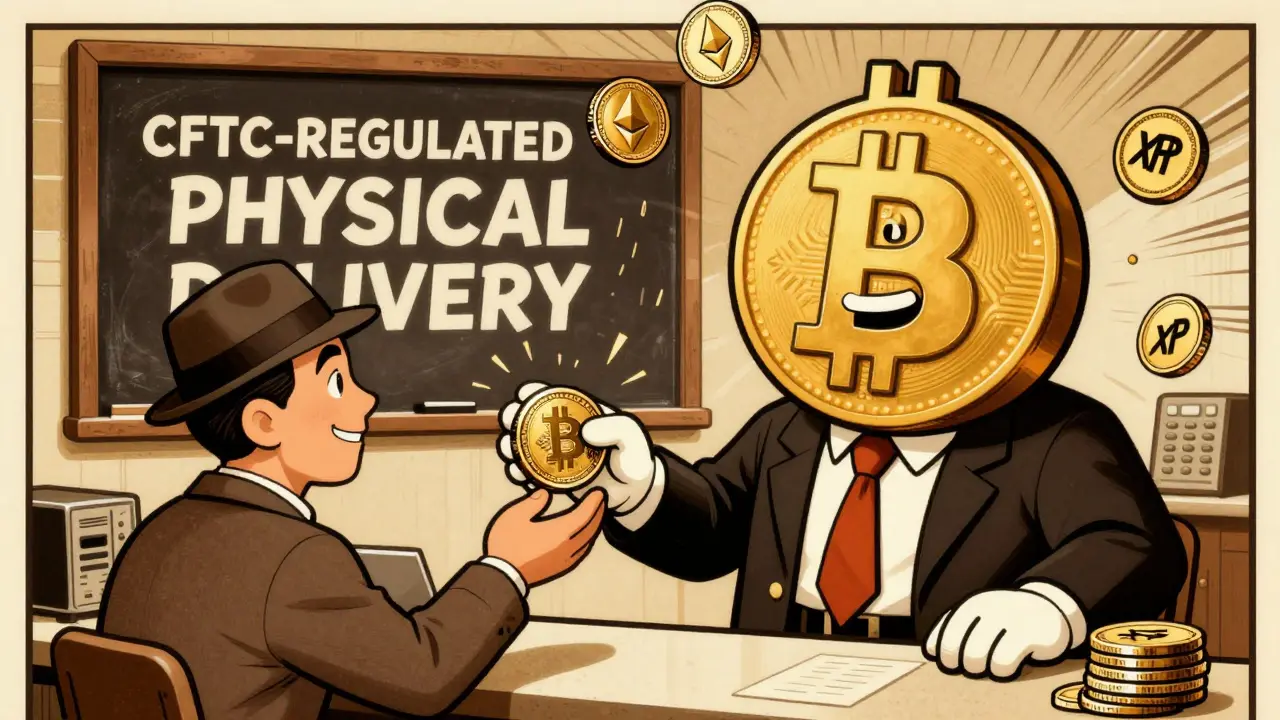
Bitnomial is the only U.S.-regulated crypto exchange offering physically delivered futures on Bitcoin, Ethereum, Solana, XRP, and USDC. With CFTC approval and crypto-as-margin, it’s built for serious traders.
Continue reading