Bitcoin Mining in Iceland: Why It Works and What You Need to Know
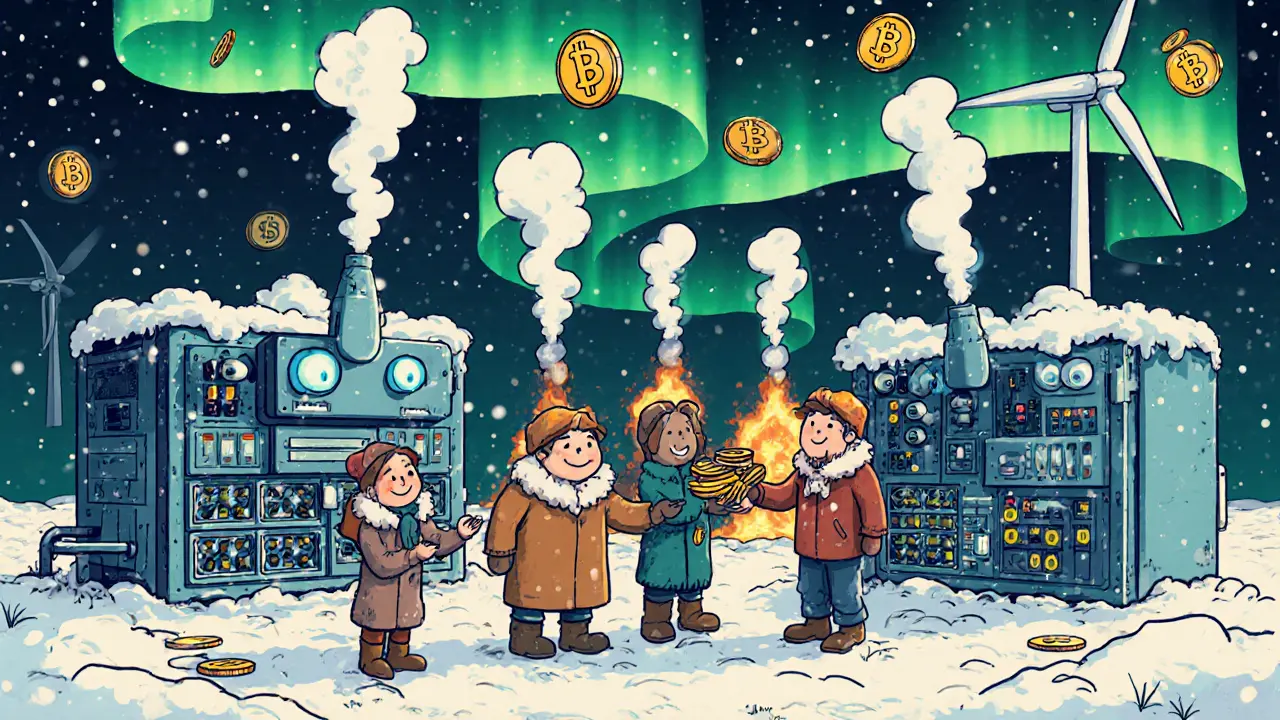
When you think of Bitcoin mining, the process of validating Bitcoin transactions and adding them to the blockchain using powerful computers. Also known as crypto mining, it’s what keeps the Bitcoin network running without banks or central control. Iceland isn’t the first place that comes to mind—but it became one of the most important hubs for it. Why? Because in Iceland, electricity is cheap, clean, and abundant. The country runs almost entirely on geothermal and hydroelectric power, which means miners aren’t just saving money—they’re reducing their carbon footprint compared to coal-powered operations elsewhere.
But here’s the catch: Bitcoin mining isn’t what it was five years ago. The ASIC miners, specialized hardware built only for mining Bitcoin. Also known as mining rigs, they’re the only machines that can compete today. have gotten way more expensive and energy-hungry. Big companies with access to millions of dollars in capital moved in, squeezing out small operators. Meanwhile, Iceland’s government started raising electricity rates for large industrial users, and the country’s population began pushing back against the noise, heat, and land use of mining farms. So while the cold climate still helps with cooling hardware, the economic math doesn’t always add up anymore.
And then there’s the cryptocurrency mining, the broader practice of securing blockchain networks through computational work. Also known as proof-of-work mining, it’s the original method behind Bitcoin and many other coins. boom. What started as a grassroots movement of hobbyists running rigs in garages turned into a global industry. Iceland was the perfect testing ground—cool air, green power, and a small population with low demand for electricity. But now, the low-hanging fruit is gone. The miners who stayed are either backed by big investors or have long-term energy contracts locked in before rates rose. If you’re thinking about starting out, you’re not just competing with machines—you’re competing with corporate contracts and government policy.
Still, Iceland remains one of the few places where you can trace Bitcoin’s energy source back to natural forces—volcanoes and glaciers powering a decentralized network. That’s not just a technical detail; it’s a philosophical one. Bitcoin was meant to be independent of banks and governments. In Iceland, it found a rare ally: nature itself. But that alliance is under pressure. As energy demand grows, and as Bitcoin’s reward halves every four years, the question isn’t just whether mining in Iceland is profitable—it’s whether it’s even sustainable.
Below, you’ll find real reviews, breakdowns, and warnings from people who’ve tried it. Some made money. Others lost everything. No hype. No fluff. Just what happened—and what you need to know before you even think about plugging in a rig.
Iceland once led the world in crypto mining thanks to cheap renewable energy, but now energy limits and government policy have frozen expansion. Existing miners survive, but new ones can't get power.
Continue reading