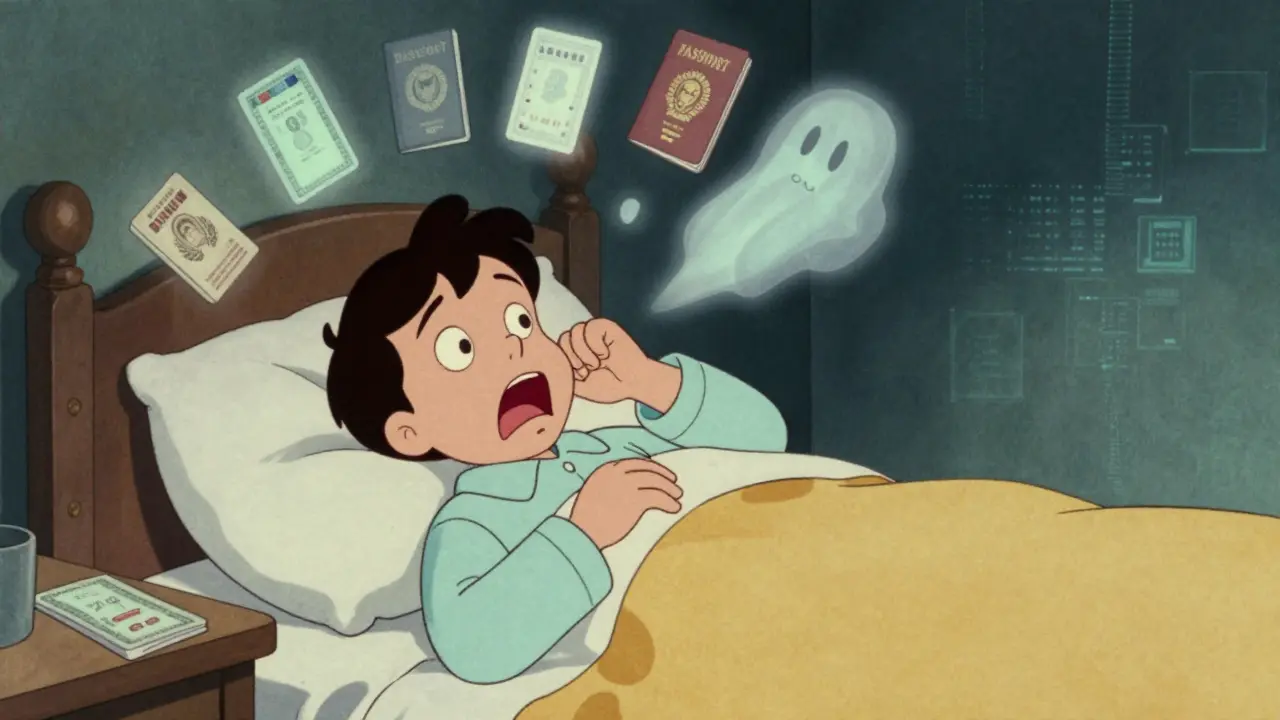
Imagine waking up to find that your passport, driver's license, and national ID are floating around the dark web because of a "misconfiguration" at your crypto exchange. For thousands of users, this isn't a nightmare scenario-it's exactly what happened with AlphaEx is a former cryptocurrency exchange that collapsed after a massive security breach exposed sensitive customer identity documents. While you might see a website still active today, the history of this platform serves as a brutal lesson in why you should never trust an exchange that treats your personal data as an afterthought.
The Red Flag: A Catastrophic Security Breach
Most people worry about hackers stealing their Bitcoin, but the AlphaEx disaster was worse. In early 2024, it was revealed that the platform suffered a critical failure in its data protection protocols. Specifically, a misconfiguration led to the public exposure of over 5,000 identity documents. We aren't talking about just email addresses; we are talking about passports, driver's licenses, and proof-of-age documents.
According to reports from IDCARE, an identity and cyber support service, the breach hit hundreds of citizens in Australia and New Zealand. The scariest part? The exchange struggled to even notify the people whose lives were potentially ruined by the leak. When a company fails at "Security 101," as industry experts call it, there is no coming back. This isn't a minor glitch; it's a systemic failure to protect personally identifiable information (PII).
Is AlphaEx Still Operating? The Truth About alphaex.net
If you search for the platform today, you'll find a site claiming to be a "Bitcoin & Digital Asset Exchange powered by XDC Protocol." They talk a big game about "cutting-edge security technologies," but you should treat this with extreme suspicion. Here is why: the original entity is officially categorized as defunct. The current domain was registered in March 2024-right around the time the breach news broke.
This is a classic red flag. Either it's a rebranded attempt to hide a shameful past, or it's a malicious site designed to capitalize on the name to lure in unsuspecting traders. Legitimate exchanges don't just "restart" after leaking 5,000 passports without a massive, transparent audit and a total change in leadership. If a site claims to be a secure exchange but has no mention of its previous failures or a verifiable track record, walk away.
Comparing AlphaEx to Industry Standards
To understand how bad AlphaEx was, you have to look at how the pros do it. Top-tier platforms don't just "hope" their settings are right; they use multi-layered defense systems. For instance, Coinbase employs biometric authentication and 24/7 monitoring. More importantly, secure exchanges follow a strict rule: the vast majority of assets stay in cold storage-offline wallets that are impossible to hack remotely.
| Feature | AlphaEx (Documented) | Industry Standard (e.g., Coinbase/Kraken) |
|---|---|---|
| KYC Data Protection | Exposed via misconfiguration | Encrypted at rest and in transit |
| Security Audits | Non-existent or ineffective | 2+ independent public audits annually |
| Regulatory Standing | Absent from ASIC Register | Registered with national regulators (ASIC, FCA, etc.) |
| Incident Response | Failed to contact affected users | Immediate disclosure and remediation plans |
The Expert Verdict: A "Broken" Business Model
Blockchain security experts are nearly unanimous: once an exchange leaks identity documents, the trust is gone forever. Nicholas Beglinger, CEO of Halborn, pointed out that proper data handling is non-negotiable. When your passport is leaked, you aren't just at risk of losing crypto; you're at risk of full-blown identity theft, financial fraud, and SIM swap attacks.
The Cloud Security Alliance has noted that inadequate protection of KYC (Know Your Customer) documents is one of the top five reasons exchanges fail. In the case of AlphaEx, the failure was so basic that it suggests a complete lack of professional oversight. There is no amount of marketing that can fix a trust deficit created by leaking the very documents users provided to feel "safe" and "verified."
What to Do If You Used AlphaEx
If you were a customer of AlphaEx, you need to act now. You can't "undo" a data leak, but you can limit the damage. Identity theft is a slow-burn crime; hackers might wait months before using your passport to open a fraudulent credit line.
- Place Fraud Alerts: Contact credit bureaus like Equifax, Experian, and TransUnion to put a 90-day alert on your profile.
- Monitor Accounts: Check your bank and credit card statements daily for any unauthorized micro-transactions.
- Change Credentials: If you used the same password for AlphaEx as you do for your email or other exchanges, change them immediately.
- Be Wary of Phishing: Expect an increase in targeted emails or texts. If someone contacts you claiming to be from a "recovery service" for AlphaEx, it's almost certainly a scam.
How to Spot a Risky Exchange Before You Deposit
The AlphaEx disaster could have been avoided if users knew which red flags to look for. Before you send a single Satoshi to any platform, run through this checklist. If they fail more than two of these, find a different exchange.
- Check the Regulatory Register: In Australia, a legitimate exchange should be on the ASIC Digital Currency Exchange Register. If they aren't there, they aren't legal.
- Look for Proof of Reserve (PoR): Does the exchange provide a cryptographically verifiable way to prove they actually hold your funds?
- Verify the Domain Age: Use a WHOIS lookup. If a "global leader" in crypto has a website that was registered three months ago, be terrified.
- Read Community Forums: Search Reddit and BitcoinTalk. Look for patterns of "slow support" or "verification delays," as these are often early signs of operational chaos.
Is AlphaEx a safe platform to use in 2026?
Absolutely not. Due to its history of catastrophic security breaches involving the leak of thousands of customer identity documents, AlphaEx is considered high-risk. Any current website claiming to be AlphaEx lacks the transparency and regulatory standing required for a safe exchange.
What happened to the AlphaEx customer data?
A major misconfiguration exposed over 5,000 identity documents, including passports and driver's licenses. This data was accessible to unauthorized parties, leading to warnings from IDCARE for users to take urgent identity protection measures.
Can I recover funds from the old AlphaEx?
Because the platform is widely regarded as defunct and has a history of poor communication, recovering funds is extremely difficult. Beware of any "recovery agents" who ask for an upfront fee to get your money back; these are typically secondary scams.
What is the XDC Protocol mentioned on their site?
XDC Network is a legitimate blockchain focused on trade finance. However, simply stating that an exchange is "powered by" a protocol does not make the exchange itself secure or legitimate. In this case, it appears to be a marketing tactic to gain unearned credibility.
How do I know if my identity was stolen via AlphaEx?
Signs of identity theft include unexpected credit denials, unauthorized charges on your bank accounts, or receiving mail for accounts you never opened. If you used AlphaEx, you should proactively monitor your credit reports regardless of whether you've seen these signs yet.
Comments (20)
Rachel S
This is absolutely horrifying! 😱 The sheer negligence required to leave KYC documents exposed via a simple misconfiguration is beyond comprehension. It is an absolute travesty that these individuals are now facing a lifetime of potential identity theft because a company couldn't implement basic security protocols! Please, everyone, freeze your credit immediately! 🚨
Jan Conrad
The part about the domain age is a huge tell. Always check WHOIS before depositing. If the 'company' is claiming to be a veteran in the space but the domain was registered a few months ago, it's a scam 100% of the time.
its me
It's interesting how we focus on the technical failure, but really this is a failure of human greed. People want the fast gains of crypto and ignore the moral vacuum these platforms operate in. We are all just complicit in this digital chaos if we keep chasing the same mirage.
Ryan Nakielny
Oh look, another 'revolutionary' exchange that can't even handle a basic S3 bucket permission. Groundbreaking stuff right there. 🙄
Rushell Perry
if you're feeling overwhelmed by the identity theft stuff just take it one step at a time check your reports and keep your head up you can handle this
Noel Mandotah
Imagine thinking a 'XDC Protocol' badge makes a site safe. Absolute clowns.
Sri Astuti
Honestly, this is just a typical example of the absolute incompetence found in these low-tier exchanges where they prioritize user acquisition over basic infrastructure, and then they have the audacity to rebrand with a new domain as if we all have collective amnesia regarding their previous failures 🙄. It is simply pathetic how they think a few buzzwords about XDC can mask the smell of a burning data center and a total lack of regulatory compliance.
Abhishek Verma
Wow, so a company leaked 5,000 passports and people are actually surprised? Truly a miracle that anyone still believes these platforms are secure. Absolute geniuses at work here.
Veronica Bago
Thanks for the heads up! Definitely makes me want to stick to hardware wallets.
Gabrielle Danis
It is imperative that users recognize the distinction between a protocol and an exchange. While the XDC Network may be legitimate, the platform utilizing its name is a separate entity with no inherent security guarantees derived from the protocol itself.
Andrew Todd
I don't care about the protocol. These losers probably aren't even based in a real country. Only a moron would trust this garbage anyway.
Elle Kharitou
As someone living in Australia, it really hurts to see our citizens targeted by these careless entities. We must remember that our digital footprints are the modern extensions of our souls and when a company treats a passport like a scrap of paper, they are disregarding our very identity 🌿. Please stay vigilant, reach out to IDCARE, and support each other through this digital storm 🇦🇺✨. It's a long road to recovery but we can navigate it together with patience and grace.
Brendan Thraxton
great list of red flags man. definitely sharing this with my group so they dont get tricked by these fake rebrands keep it up
Lynne Teperman
pure chaos in the clouds lol just wild how some people still fall for the shiny website trap
Janis Naglis
We can totally turn this into a learning moment for the whole community!!! Just focus on the fundamental pillars of cold storage and multi-sig security!!! We've got this!!! 🌟
Wayne Gillis
I bet the guys who ran the old site are just laughing in a beach house somewhere 🏝️😂 honestly just wild that this is even allowed to happen!
Nitin Gupta
I agree with the points mentioned regarding the regulatory registers. It is always safer to stick with platforms that are transparent about their legal standing and audit history.
Livvy Cooper
Why are people so obsessed with this? It's just crypto. If you lose your money or your ID, you were too stupid to begin with. Simple as that.
Tony Phan
My portfolio is literally bleeding and now I see this? Total rug pull vibes. This whole ecosystem is just one giant honeypot for hackers and we are all just liquidity for the scammers. Absolute nightmare fuel.
Jimmy vasquez
Just a quick tip for anyone who hasn't done it yet: you can use a free service like HaveIBeenPwned to see if your email was part of any recent leaks, though it won't show you if your passport is out there.