Remember the early days of Bitcoin when people joked about buying pizza with it? Now imagine using a digital currency specifically designed to buy... well, let's just say adult entertainment. That’s the core promise of Titcoin, a cryptocurrency that launched in 2014 to solve a very specific problem: how do you pay for sensitive services without your credit card statement betraying you?
If you’ve stumbled upon this coin while scrolling through obscure market caps or heard whispers from older crypto forums, you might be wondering if it’s still alive. The short answer is: technically yes, but practically? It’s hanging by a thread. This article breaks down what Titcoin actually is, why it was created, and whether it holds any real value today beyond being a historical curiosity.
The Origin Story: Privacy Meets Pleasure
Titcoin wasn’t built by a faceless corporation trying to disrupt banking. It was born out of necessity in the adult industry. In 2014, founders Edward Mansfield and Richard Allen noticed a glaring issue. Traditional payment processors like Visa and Mastercard were tightening their grip on adult content sites. Banks often labeled these transactions as high-risk, leading to declined payments or awkward statements.
The solution? A blockchain-based payment system. By deriving its code from Bitcoin, Titcoin aimed to offer faster transactions and greater anonymity than standard credit cards. The idea was simple: use crypto to keep purchases private and avoid the stigma attached to traditional billing descriptors.
At its peak, Titcoin gained some traction. It even received nominations at the XBIZ Awards in 2015, signaling that the adult industry took notice. But unlike mainstream coins that expanded into DeFi or NFTs, Titcoin stayed laser-focused on its niche. And in the fast-moving world of crypto, staying static can be fatal.
How Does Titcoin Work?
Technically, Titcoin operates differently than the Bitcoin you know. While Bitcoin uses Proof of Work (mining), Titcoin shifted to Proof of Stake (PoS). This means instead of burning energy to validate transactions, users stake their TIT tokens to secure the network. If you act maliciously, you lose your staked coins-a process known as slashing.
This shift promised lower energy costs and potentially faster transaction times. However, technical documentation has been sparse. There are conflicting reports online; some sources claim it migrated to Solana, while others insist it remains on its original forked Bitcoin chain. This ambiguity alone raises red flags for developers and investors who rely on clear technical specs.
- Consensus Mechanism: Proof of Stake (PoS).
- Block Time: Faster than Bitcoin’s 10 minutes, though exact metrics vary by source.
- Supply: Approximately 984 million tokens circulating.
- Privacy Features: Enhanced over Bitcoin, but not as robust as dedicated privacy coins like Monero.
The Market Reality: Is It Worth Anything?
Let’s look at the numbers. As of late 2025, Titcoin trades for fractions of a cent. Depending on the exchange, you might see prices hovering around $0.002 to $0.009 USD. The market cap sits roughly between $2 million and $3 million. For context, that’s less than the annual budget of many small tech startups.
| Cryptocurrency | Primary Use Case | Market Cap (Approx.) | Adoption Status |
|---|---|---|---|
| Titcoin (TIT) | Adult Industry Payments | $2.15 Million | Niche / Declining |
| Bitcoin (BTC) | Digital Gold / Store of Value | $1 Trillion+ | Global |
| Monero (XMR) | Private Transactions | $1 Billion+ | Strong in Niche Sectors |
| SpankChain (SPANK) | Adult Content Infrastructure | $10 Million+ | Moderate / Active Development |
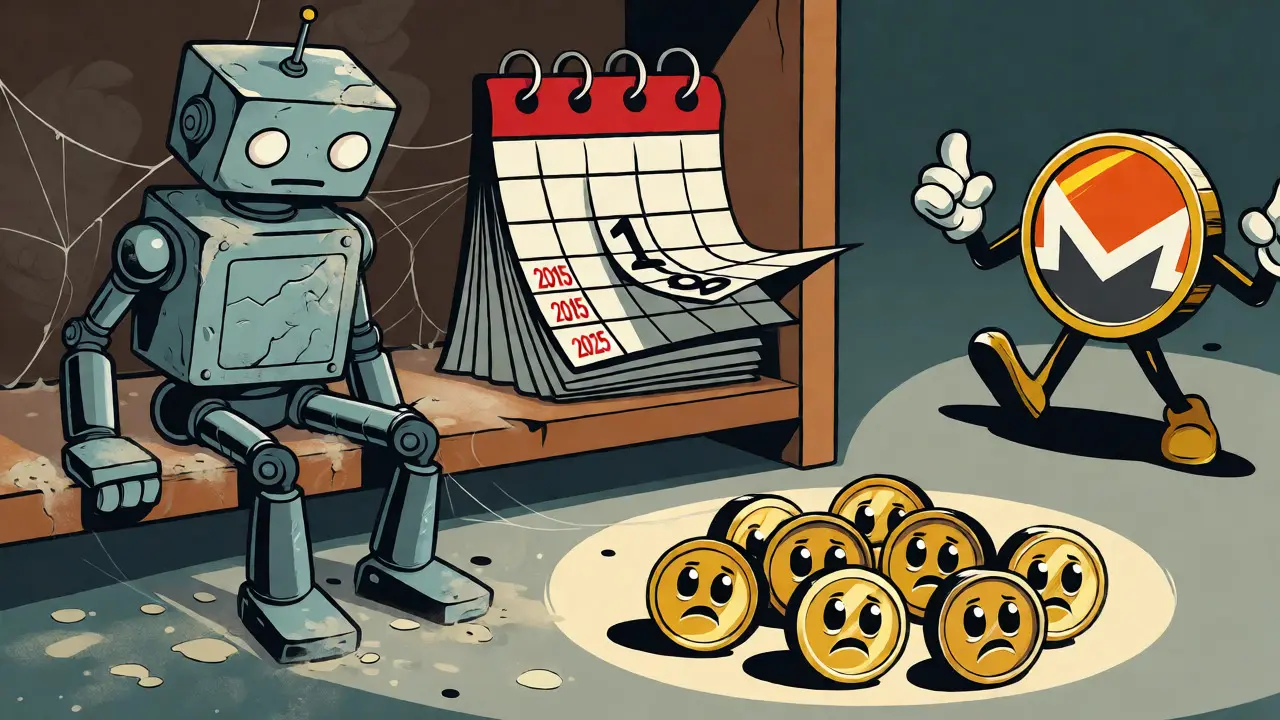
You’ll notice Titcoin is dwarfed by competitors. Monero, for instance, offers superior privacy features and has captured about 80% of the adult industry’s crypto transactions. Why use Titcoin when Monero provides better anonymity and wider acceptance? That’s the question many traders ask.
Why Did It Lose Momentum?
Several factors contributed to Titcoin’s decline. First, the regulatory environment changed. When major banks cracked down on adult payments in 2018-2019, the industry didn’t flock to Titcoin. Instead, they moved toward more established privacy coins or simply switched to alternative payment methods like PayPal alternatives or direct bank transfers where possible.
Second, developer activity stalled. The official GitHub repository hasn’t seen significant updates since 2022, mostly consisting of minor documentation tweaks. Without active development, bugs go unfixed, security patches lag, and new features never arrive. In crypto, silence is usually death.
Third, community engagement evaporated. Social media accounts are largely inactive, and Telegram groups have shrunk dramatically. Users report difficulty finding merchants who still accept TIT. One Reddit user noted in 2023 that they tried three adult sites, and none accepted Titcoin anymore. If no one takes your money, what good is the currency?
Should You Invest in Titcoin?
If you’re looking for a safe investment, Titcoin probably isn’t it. It’s highly volatile, illiquid, and lacks a strong ecosystem. Trading volume is low, meaning large buy or sell orders can drastically swing the price. Plus, only a handful of exchanges list it, limiting your ability to cash out quickly.
However, some speculators love "zombie coins"-projects that seem dead but might pump due to low supply or sudden news. If you believe the adult industry will return to niche crypto solutions, Titcoin could theoretically spike. But this is gambling, not investing. The odds favor coins with active teams, real-world utility, and growing communities.
Consider this: Delphi Digital ranked Titcoin near the bottom of sustainability reports for niche cryptocurrencies. They cited insufficient developer activity and declining merchant adoption as key risks. Unless something drastic changes-like a major acquisition or a viral marketing campaign-Titcoin remains a speculative play at best.
Practical Use Cases Today
Despite its struggles, Titcoin still functions as a medium of exchange for a tiny subset of users. Some smaller cam sites or independent creators might accept it to save on processing fees. Credit card fees can eat up 3-5% of revenue, whereas crypto fees are negligible. For a creator making $10,000 a month, saving $300-$500 monthly matters.
But here’s the catch: converting those earnings back to fiat currency can be tricky due to low liquidity. You might hold TIT tokens for weeks waiting for a buyer at a reasonable price. This friction makes it less appealing than stablecoins or major cryptos like Ethereum or USDC.
Is Titcoin still active?
Yes, the network is technically active, and trading continues on select exchanges. However, developer activity is minimal, and merchant adoption has dropped significantly compared to its peak in 2016-2017.
Where can I buy Titcoin?
Titcoin is listed on a few smaller exchanges such as Kraken (historically), CoinSwitch, and various decentralized exchanges. Liquidity is low, so check order books carefully before placing large trades.
Why did Titcoin fail to gain mass adoption?
It faced stiff competition from privacy coins like Monero, which offered better anonymity. Additionally, lack of continuous development and limited educational resources hindered growth beyond its initial niche audience.
Can I use Titcoin for general purchases?
While you can technically send Titcoin anywhere, very few merchants outside the adult industry accept it. It is primarily used within its specific target sector, making it impractical for everyday spending.
Is Titcoin a scam?
No, it is not a scam in the traditional sense. It is a legitimate open-source project with a functioning blockchain. However, its low valuation and lack of progress may make it feel stagnant or abandoned to new investors.
Final Thoughts: A Lesson in Niche Crypto
Titcoin serves as a cautionary tale for anyone thinking about launching a specialized cryptocurrency. Being first doesn’t guarantee survival. You need ongoing innovation, strong community support, and adaptability to changing regulations.
For now, Titcoin remains a relic of the 2014 crypto boom-a time when every industry thought it needed its own token. Today, it persists quietly, serving a handful of loyal users while the broader market moves on. If you’re considering buying in, do so with money you can afford to lose, and treat it as a collector’s item rather than a serious financial asset.