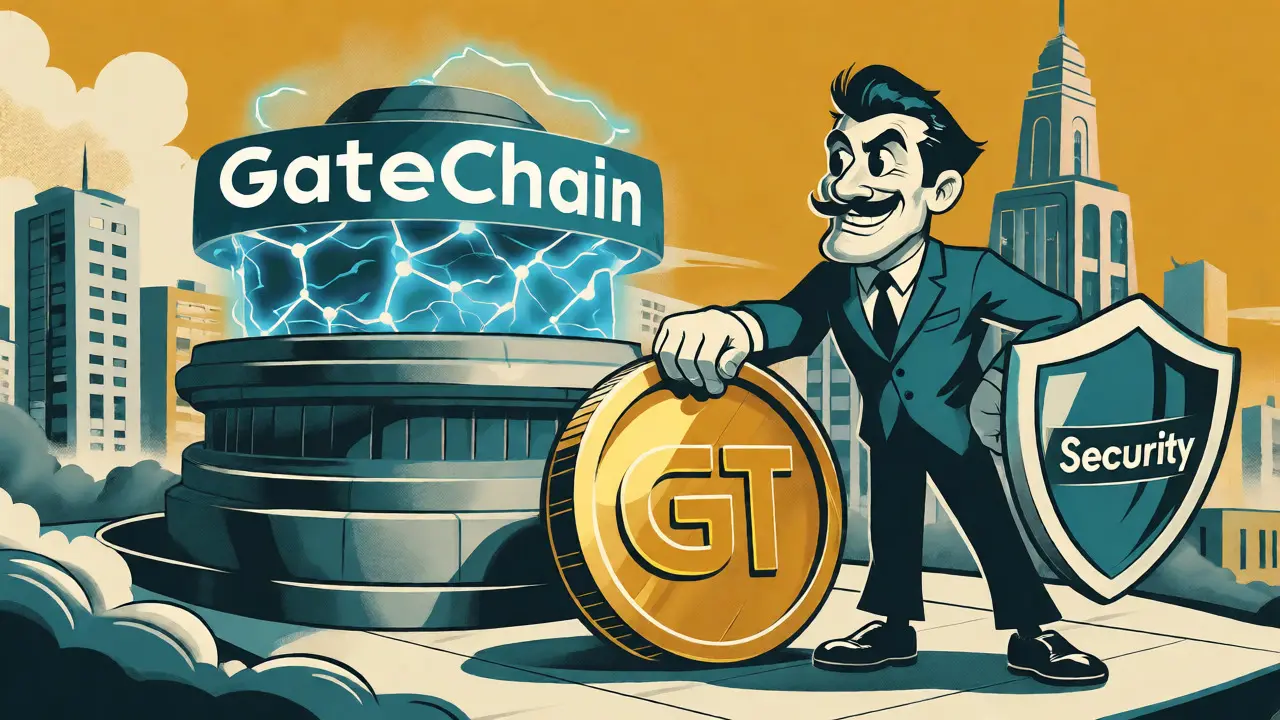
Ever wonder why some crypto tokens seem to have real utility while others are just hype? If you trade on Gate.io, you've likely seen GateToken or GT. It’s not just another coin; it’s the lifeblood of one of the world’s major exchanges and its own blockchain, GateChain. But what exactly does it do for you, and why should you care?
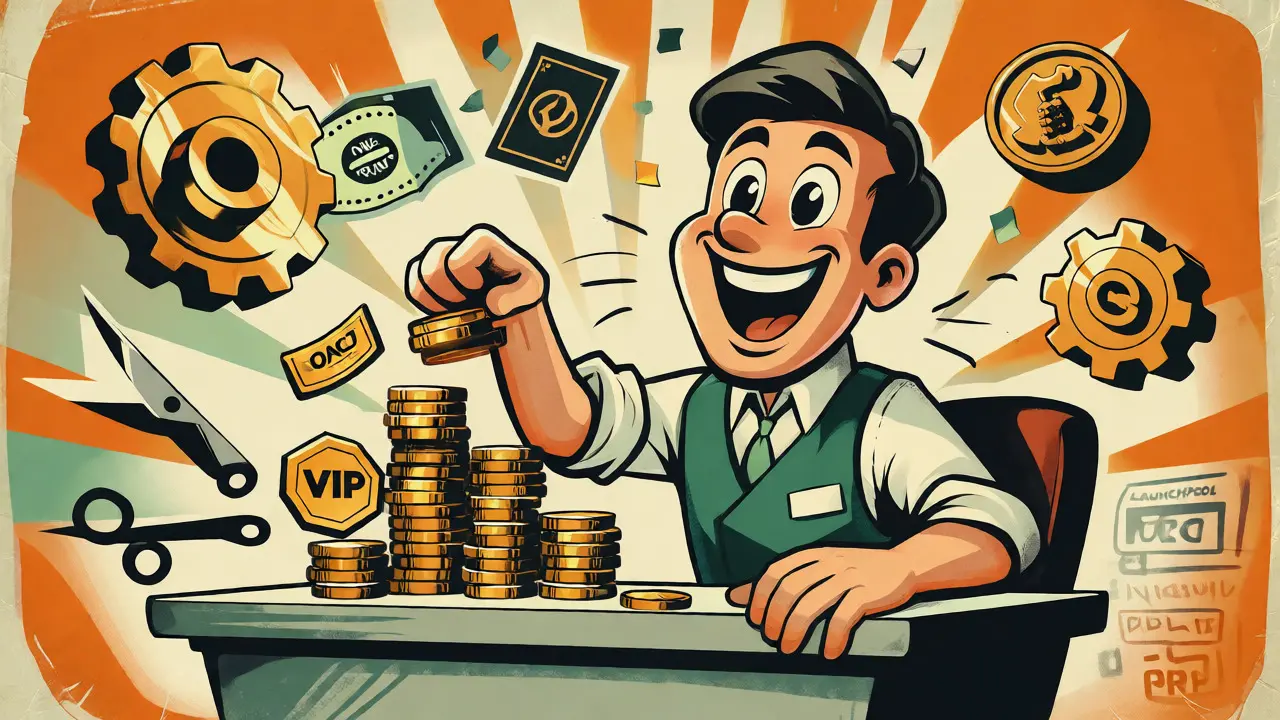
Think of GT as the VIP pass to the Gate ecosystem. It’s a utility token that powers everything from paying lower trading fees to securing the network through staking. Unlike coins you mine with your graphics card, GT has a fixed supply that keeps shrinking thanks to aggressive buyback-and-burn programs. This scarcity model aims to increase value over time, making it a favorite among long-term holders who believe in the platform's growth.
| Attribute | Detail |
|---|---|
| Symbol | GT |
| Blockchain | Ethereum (ERC-20) & GateChain Native |
| Total Supply | 300,000,000 (Capped) |
| Circulating Supply | ~96 Million (as of late 2024/early 2025 data) |
| Main Use Cases | Fee Discounts, Staking, Governance, Gas Fees |
The Origin Story: From GateChain to Global Exchange
To understand GT, you have to look back at 2019. That’s when GateChain launched, introducing a new public blockchain focused heavily on asset security. Initially, GT was created to power this specific chain. Fast forward to March 2020, and things changed. Gate.io officially adopted GT as its primary exchange token. This move aligned the token’s fate directly with the success of the Gate.io platform itself.
This wasn’t just a branding exercise. By integrating GT into the core exchange operations, Gate.io gave the token immediate utility. Suddenly, holding GT meant more than just supporting a blockchain; it meant getting perks on a major trading platform. The token isn’t mineable, which means no miners are dumping rewards onto the market daily. Instead, the supply is controlled strictly by issuance rules and burns, creating a predictable economic model.
Why Hold GT? Real Benefits for Traders
So, what’s in it for you if you buy GT? The benefits are straightforward and designed to save you money and earn you yield.
- Trading Fee Discounts: Paying fees in GT often gets you a discount compared to paying in USDT or other currencies. For active traders, this adds up quickly.
- VIP Level Upgrades: Holding a certain amount of GT can boost your VIP tier on Gate.io. Higher tiers mean even lower fees and better withdrawal limits.
- Staking Rewards: You can stake GT to help secure the GateChain network. In return, you earn rewards, effectively turning your idle holdings into an income stream.
- Participation in Launchpools: Many new token sales on Gate.io require you to hold GT to participate. If those new tokens perform well, your GT holdings act as a ticket to early gains.
It’s a classic loyalty program structure, but on steroids. The more you use the platform, the more valuable your GT becomes.
Deflationary Tokenomics: The Power of Burns
Here is where GT stands out from many other exchange tokens. Its tokenomics are aggressively deflationary. When GT first launched, there were 1 billion tokens. Then, something drastic happened: 700 million tokens were permanently destroyed. That’s a 70% reduction right off the bat.
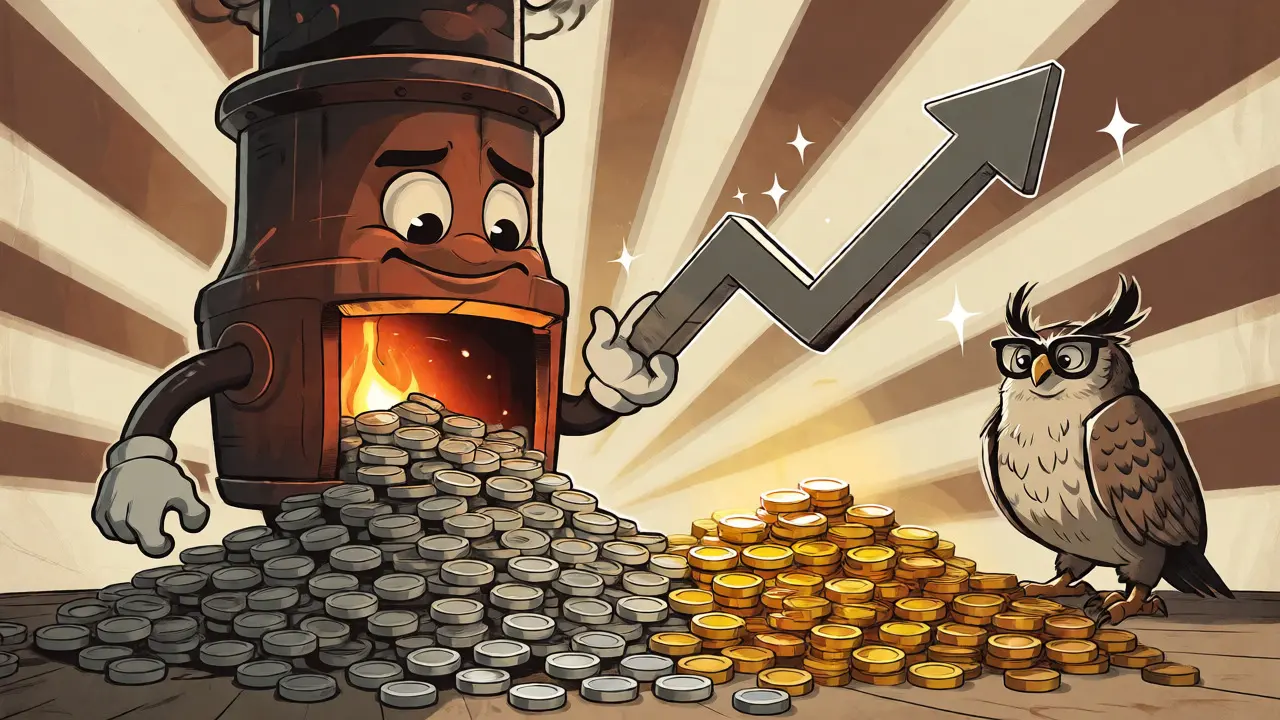
But they didn’t stop there. Gate.io continues to use a portion of its profits to buy back GT from the open market and burn it. As of recent reports, over 174 million additional tokens have been burned. This leaves a circulating supply of roughly 96 million against a maximum cap of 300 million. Why does this matter? Basic economics. If demand stays steady or grows while supply shrinks, price pressure tends to be upward. It’s a mechanism designed to reward long-term holders by reducing dilution.
Technical Backbone: ERC-20 and GateChain
Technically, GT lives two lives. On Ethereum, it exists as an ERC-20 token, making it compatible with most wallets like MetaMask and easy to swap on decentralized exchanges. On its home turf, GateChain, it serves as the native gas token and governance asset.
GateChain isn’t just another copycat blockchain. It features unique security mechanisms like "on-chain hot insurance accounts." These are designed to protect users from common issues like private key loss or theft. Because GT is the only native token on GateChain, every transaction, smart contract execution, and staking action requires GT. This creates intrinsic demand for the token within the decentralized part of the ecosystem, separate from the centralized exchange.
How to Buy and Use GateToken
Getting started with GT is simple. You don’t need to be a tech wizard. Here’s the quick path:
- Create an Account: Sign up on Gate.io and complete identity verification (KYC).
- Deposit Funds: Transfer fiat currency or other cryptocurrencies like Bitcoin or USDT into your account.
- Buy GT: Go to the spot market, search for the GT/USDT pair, and purchase your desired amount.
- Enable Fee Payment: In your account settings, choose to pay trading fees using GT to start seeing discounts immediately.
- Stake or Hold: Decide whether you want to lock up your GT for staking rewards or keep it liquid for future launchpool opportunities.
If you prefer decentralized storage, you can withdraw the ERC-20 version of GT to your personal wallet. Just remember that bridging assets between chains involves small fees and takes a bit of technical know-how.
GT vs. Other Exchange Tokens
How does GT stack up against giants like Binance Coin (BNB) or OKX Token (OKB)? While BNB dominates in terms of market cap and liquidity, GT offers a different value proposition. BNB is massive, with billions in market value, but GT is leaner and more focused on its specific ecosystem integration.
GT’s strength lies in its tight coupling with GateChain’s security features and its aggressive burn rate. While BNB benefits from sheer scale, GT appeals to investors who prefer a smaller, more deflationary asset with clear utility in both centralized and decentralized environments. It’s less about competing for the top spot and more about carving out a niche for users who prioritize security-focused DeFi and efficient trading tools.
Risks and Considerations
No investment is without risk. GT’s value is heavily tied to the performance of Gate.io. If the exchange faces regulatory hurdles or loses market share, GT could suffer. Additionally, exchange tokens globally face scrutiny regarding whether they qualify as securities. Regulatory clarity varies by country, so always check local laws before investing significant amounts.
Liquidity is another factor. While GT is listed on major aggregators, its trading volume is lower than top-tier coins. This means large sell-offs might impact the price more significantly than they would for Bitcoin or Ethereum. Always consider your risk tolerance and never invest more than you can afford to lose.
Frequently Asked Questions
Is GateToken (GT) a good investment?
Whether GT is a good investment depends on your strategy. Its deflationary nature and utility in fee discounts make it attractive for long-term holders who use Gate.io regularly. However, like all altcoins, it carries high volatility and risks tied to the exchange's performance.
Can I mine GateToken?
No, you cannot mine GT. It is not a Proof-of-Work coin. New GT enters circulation primarily through initial distribution and staking rewards, while existing tokens are removed via buyback-and-burn events.
Where can I store my GT?
You can store GT on the Gate.io exchange for easy access to trading features. Alternatively, since it is an ERC-20 token, you can store it in any Ethereum-compatible wallet like MetaMask, Trust Wallet, or Ledger.
What makes GateChain different from other blockchains?
GateChain focuses specifically on asset security. It features innovative tools like on-chain hot insurance accounts and clearing guarantee mechanisms designed to prevent asset theft and recover lost funds, addressing common pain points in crypto custody.
How often does Gate.io burn GT?
Gate.io conducts regular buyback-and-burn events, typically quarterly or based on profit milestones. The exact schedule can vary, but the goal is consistent: reduce circulating supply to enhance scarcity and potential value appreciation.

Comments (21)
Alvin Sunderland
Hold on, hold on... let's not get swept away by the shiny veneer of "utility" here!! The so-called "deflationary model" is nothing more than a smoke screen designed to distract retail investors from the fact that Gate.io has faced significant regulatory scrutiny in multiple jurisdictions!!! If the SEC or CFTC decides GT is an unregistered security-which is highly probable given how it functions as equity for the exchange-the entire price action collapses!!! Furthermore, the "buyback and burn" mechanism is discretionary; they can simply stop burning if their profits dip, leaving holders with a depreciating asset while insiders dump their allocations!!! Do you really think this token survives the next bear market without being delisted from major US platforms???
Sean Patterson
bro its just another altcoin 🙄 gateio volume is low af compared to binance so who cares about fee discounts when you cant even exit a position without slippage??? also staking rewards are basically inflationary dilution disguised as yield. i sold my gt last month and never looked back.
Manoj Ramachandran
I appreciate the detailed breakdown provided in the original post. It is essential to consider the technical distinctions between ERC-20 tokens and native chain assets carefully. While the deflationary aspect is attractive, one must remain vigilant regarding the centralized nature of the buyback program. Transparency in these quarterly reports is paramount for maintaining investor trust.
Bhanu Rokkam
You guys are missing the point entirely. GT isn't about competing with BNB on volume; it's about niche utility within the GateChain ecosystem which actually solves real custody issues. People ignore the insurance feature because they're too busy chasing hype cycles. If you understand DeFi mechanics, you see why native gas tokens have inherent value floors that pure exchange tokens lack. Stop comparing apples to oranges just because Binance pays better marketing budgets.
Adam Barrett
I think there is room for both perspectives here. It’s valid to be cautious about regulatory risks, but dismissing the technological innovation of GateChain feels premature. Maybe we should look at long-term adoption metrics rather than short-term price fluctuations? Keeping an open mind helps us navigate these volatile markets better.
Rebecca Frank
It is morally questionable to promote tokens that rely on speculative mania. Investors often lose their savings chasing these 'VIP pass' schemes while the founders cash out. We should prioritize projects with clear ethical frameworks over those driven purely by greed and artificial scarcity.
Jennifer Phipps
Omg yes!! 🌟 I love how GT gives you actual perks like lower fees! It’s such a sweet deal for active traders ✨. Plus, seeing the supply shrink makes me feel all warm and fuzzy inside knowing my coins aren't getting diluted into oblivion 💖. Totally worth holding if you use Gate.io regularly!
Anthony Fudge
While the article presents a compelling case for the utility of GateToken, I find myself pondering the broader implications of exchange tokens in the current macroeconomic climate, specifically considering how rising interest rates might impact the liquidity preferences of institutional investors who might otherwise allocate capital towards stable yields rather than volatile utility tokens, and whether the aggressive burn rate is sustainable if trading volumes decline significantly during prolonged bearish trends, which would inevitably reduce the revenue available for buybacks, potentially creating a feedback loop where reduced demand leads to fewer burns, further dampening sentiment among retail participants who rely on these visible mechanisms to justify their investment thesis in a crowded market filled with similar narratives.
John Failla
The reliance on a single exchange's performance is a fundamental flaw. If Gate.io fails, GT becomes worthless. That is basic risk management. Diversification matters.
Frances Schnepfleitner
ugh people always say that but then cry when their bag goes up lol. if you dont believe in the platform why buy it at all? just stick to btc if you want safety
Elizabeth Floyd
Hey everyone! 👋 Just wanted to add that the KYC process on Gate.io can be a bit strict depending on your country, so keep that in mind before buying large amounts. Also, the launchpool opportunities have been pretty solid lately, so holding some GT for access is definitely a strategy many of us are using! Hope that helps! 😊
Prince Johny
Why do Americans always assume their exchanges are the standard? Gate.io is huge globally, especially in Asia and Africa. You ignore the global user base at your own peril. GT has real utility in regions where Binance is restricted. Stop being so ethnocentric with your financial analysis.
John Morgan
Exactly. The US-centric view misses half the market. GT serves a massive international demographic that values the specific features GateChain offers. Ignoring that segment limits your understanding of the token's true demand drivers.
Kyle Whitehead
wait wait wait... did anyone else notice the circulating supply numbers?? 96 million out of 300 million cap?? that means tons of locked tokens still waiting to hit the market eventually right?? unless they unlock slowly forever... kinda scary tbh
Katherine Rosales Maza
That is a very important distinction to make. The vesting schedule for team and advisor tokens is crucial. One must verify the exact release dates to understand potential sell pressure. Without checking the tokenomics dashboard, any claim about scarcity is incomplete.
Newman Thurairatnam
One cannot ignore the geopolitical tensions influencing crypto regulation. The United States is pushing hard against foreign exchanges, and Gate.io is squarely in the crosshairs. This token is essentially a bet on regulatory arbitrage succeeding. It is a risky gamble, indeed. 😐
Manish Pahuja
Chill vibes only. Market goes up, market goes down. GT is just another tool in the kit. Don't stress the small stuff, focus on the big picture of blockchain adoption. Peace.
Wanda Terral
The juxtaposition of centralized exchange utility with decentralized chain governance creates a fascinating hybrid model. However, the opacity surrounding the exact allocation of burned funds versus operational costs remains a concern for the discerning analyst. Until independent audits verify the burn proofs rigorously, skepticism is warranted.
Tish Dalton
I totally get where you're coming from with the audit concerns. It's great that you're looking out for details like that! For beginners though, maybe starting with small amounts and testing the withdrawal process is a good way to build confidence before going all in? Supportive steps help avoid panic later on.
Abby Walker
Frankly, most of these comments are lazy analyses. People buy based on hype and sell based on fear. The tokenomics don't matter if the exchange gets hacked or banned. Period.
Deke Parrott
Respectfully, I disagree that it's just hype. The fee discount structure provides tangible ROI for high-frequency traders regardless of token price appreciation. It serves a functional purpose beyond speculation.