LeetSwap Review: What It Is, Why It Matters, and What Users Are Saying
When you hear LeetSwap, a decentralized exchange built for fast, low-cost crypto trades on Layer 2 networks. Also known as LeetSwap DEX, it claims to offer better speeds and lower fees than bigger platforms like Uniswap or SushiSwap. But is it just another DeFi project with flashy marketing—or does it actually deliver? Many users stumble onto LeetSwap after seeing ads for free token airdrops or promises of high yield farming, only to find little transparency about who’s behind it or how secure their funds really are.
LeetSwap relates closely to DeFi exchange, a platform where users trade crypto directly from their wallets without a middleman, but it’s not just another clone. Unlike older DEXs that run on Ethereum mainnet, LeetSwap operates on Layer 2 chains like zkSync or Base, which means faster transactions and cheaper gas fees. It also ties into LeetSwap token, the native currency used for governance, fee discounts, and liquidity mining rewards. But here’s the catch: there’s no verified audit report, no public team, and no clear roadmap. That’s not normal for a serious DeFi platform. If you’re considering using it, you’re not just trading tokens—you’re trusting code written by anonymous developers with no accountability.
What makes LeetSwap stand out—or fall apart—is how it handles user data and liquidity. Some users report smooth trades and quick withdrawals, while others say their funds got stuck during high-volume periods. There’s no customer support channel listed, and the website doesn’t link to any official social accounts. That’s a red flag. In crypto, if a project doesn’t want you to know who they are, you should ask why. The same goes for its tokenomics: the total supply is public, but the distribution is murky. A large chunk is held by wallets with no names attached. That’s not decentralization—that’s centralization in disguise.
So what’s really going on here? LeetSwap might be a legitimate attempt to improve DeFi accessibility. Or it might be a short-term pump-and-dump scheme disguised as a DEX. The truth? Most users don’t know until it’s too late. That’s why this collection of posts matters. Below, you’ll find real user experiences, technical breakdowns, and scam warnings about LeetSwap and similar platforms. Some posts dig into token distribution patterns. Others expose fake liquidity pools. One even compares LeetSwap’s fee structure to actual regulated exchanges. You won’t find hype here—just facts, patterns, and hard lessons from people who lost money. If you’re thinking about using LeetSwap, read these first. Your crypto could depend on it.
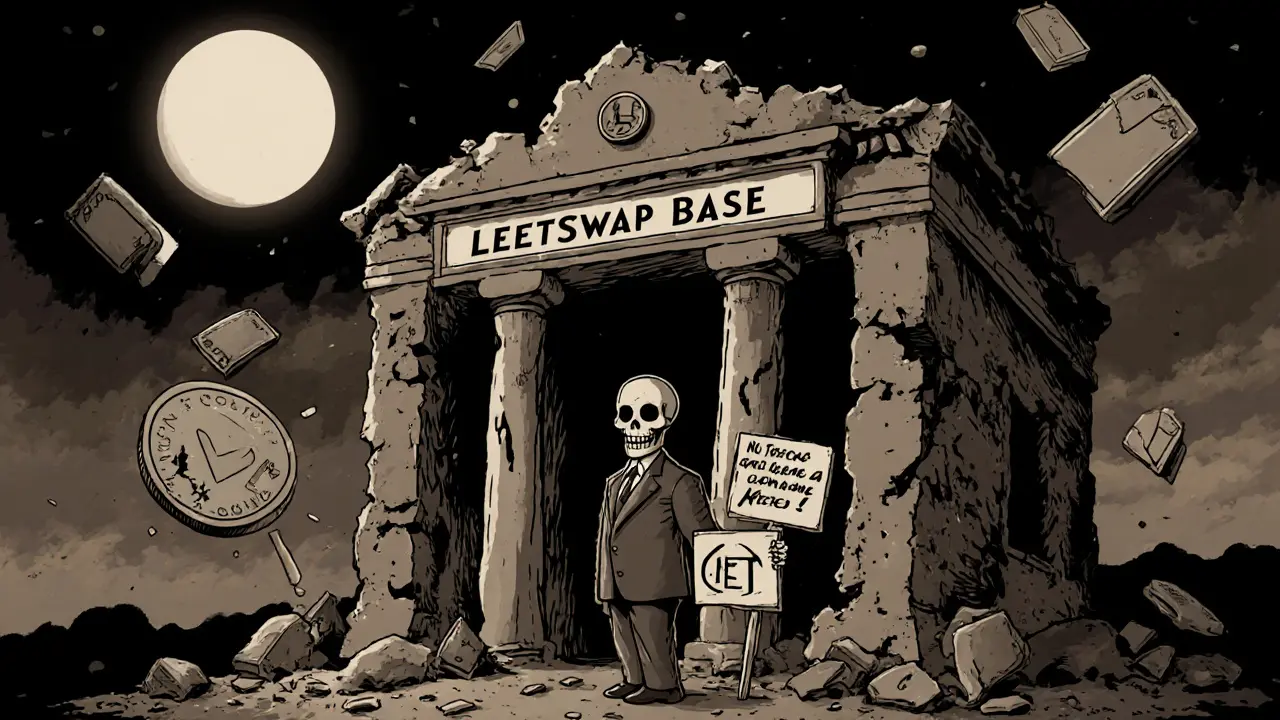
LeetSwap (Base) was a failed decentralized exchange that collapsed after a July 2023 exploit. With zero trading volume, no team response, and no recovery options, it stands as a warning for crypto users.
Continue reading