Global Bitcoin mining: Where the real action is—and where it’s banned
When you think of global Bitcoin mining, the worldwide network of computers solving cryptographic puzzles to validate Bitcoin transactions and earn new coins. Also known as Bitcoin mining operations, it’s not just about hardware—it’s about energy, laws, and geography. The old idea of miners in basements with rigs is gone. Today, it’s a high-stakes game of power access, policy, and profit.
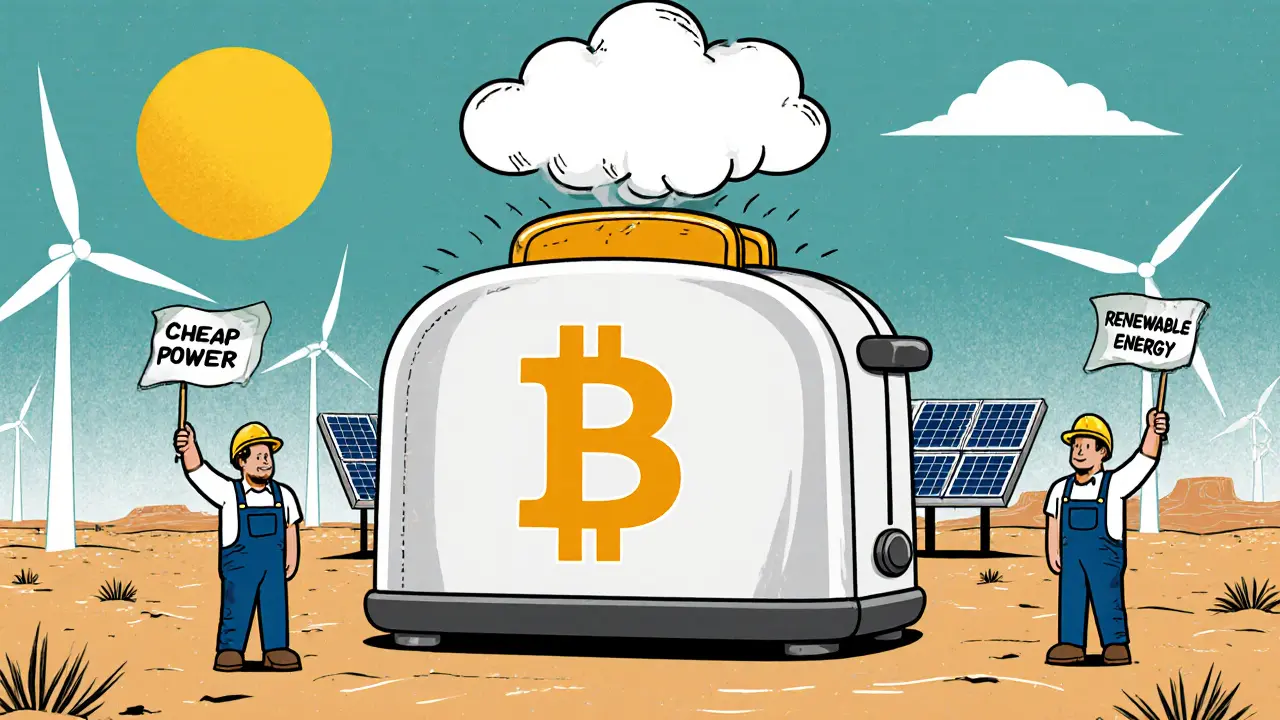
Bitcoin mining reward, the amount of Bitcoin miners earn for adding a new block to the blockchain. Also known as block reward, it halves roughly every four years, and that’s not just a technical detail—it’s a market earthquake. The last halving cut rewards from 6.25 to 3.125 BTC. Next one? It’ll drop again. Miners either get more efficient or get out. That’s why places like Iceland crypto mining, a once-dominant hub for Bitcoin mining due to its cheap geothermal and hydroelectric power. Also known as renewable energy crypto mining, it’s now frozen by government limits. Iceland had the power, but not the permission. New miners can’t get a single watt. Existing ones survive, but growth is dead. Meanwhile, countries like the UAE and Kazakhstan are stepping in with clearer rules and tax breaks. This isn’t luck—it’s strategy.
And it’s not just about where you mine—it’s about why. crypto mining power limits, government-imposed caps on electricity usage for mining operations. Also known as energy restrictions for crypto, they’re popping up everywhere—from China’s crackdown to El Salvador’s grid struggles. Miners don’t just need cheap power—they need reliable, legal access. That’s why Venezuela’s miners run on stolen grid power, and why Pakistan’s new crypto laws don’t mention mining at all. It’s messy. It’s uneven. And it’s changing fast.
What you’ll find in these posts isn’t theory—it’s real cases. You’ll see how Bitcoin halving forced miners to choose between shutting down or moving continents. You’ll learn why Iceland’s success story turned into a warning. You’ll spot the scams pretending to offer mining rigs or cloud contracts. And you’ll see how global policy shifts—like the UAE’s clear licensing or Pakistan’s digital rupee push—are rewriting who controls the network.
This isn’t about buying a miner and hoping for the best. It’s about understanding the forces shaping where Bitcoin is actually made—and who gets left behind when the power runs out.
As of 2025, the U.S. leads global Bitcoin mining with 44% of the hash rate, followed by Kazakhstan, Russia, and Canada. Learn where mining power is concentrated, why geography matters for security, and how renewable energy is reshaping the industry.
Continue reading