Base Chain Exchange: What It Is, How It Works, and Where to Trade
When you hear Base chain exchange, a decentralized trading platform built on Coinbase’s Layer 2 blockchain built to scale Ethereum with low fees and fast confirmations. Also known as Base L2, it’s becoming the go-to spot for DeFi traders who want to avoid Ethereum’s high gas fees without sacrificing security. Unlike older chains that feel slow and expensive, Base is designed for everyday use—whether you’re swapping tokens, staking, or chasing airdrops.
A decentralized exchange, a crypto trading platform that runs without a central company controlling your funds. Also known as DEX, it’s the backbone of what makes Base useful. Platforms like Uniswap v3 and Camelot run directly on Base, letting you trade tokens like USDC, WETH, and even new tokens like BRW before they hit big exchanges. You don’t need to trust a company with your keys—you control everything through your wallet. That’s why so many new projects pick Base: it’s cheap, fast, and already connected to millions of Ethereum users.
But a crypto exchange, a platform where you buy, sell, or trade digital assets, either centralized or decentralized. Also known as CEX or DEX, depending on how it operates isn’t just about trading. It’s about access. If you’ve used Coinbase or MetaMask, you’ve already got a foot in the door. Base rewards users who interact with its ecosystem—trading, lending, or even just holding certain tokens. That’s why the upcoming Base token airdrop, a free distribution of BRW tokens to users who’ve actively used Base L2 protocols. Also known as BRW reward, it’s the biggest incentive driving adoption matters. You don’t need to buy anything. You just need to do something—swap a token, add liquidity, or connect your wallet to a live app.
Some exchanges on Base are trustworthy, others are risky. You’ll find everything from well-known DEXs with audits to new apps with zero reviews. That’s why the posts below cut through the noise. They don’t just list exchanges—they tell you which ones are safe, which ones are scams, and which ones might actually pay you. You’ll see reviews of real platforms, breakdowns of failed airdrops, and clear warnings about fake tokens pretending to be part of Base. No fluff. No hype. Just what you need to know before you click "connect wallet."
What you’ll find here isn’t a list of every exchange on Base. It’s a curated look at what actually works, what’s worth your time, and what to avoid before you lose money. Whether you’re new to Layer 2 or you’ve been trading for years, these guides show you how to move smart on Base—without getting tricked.
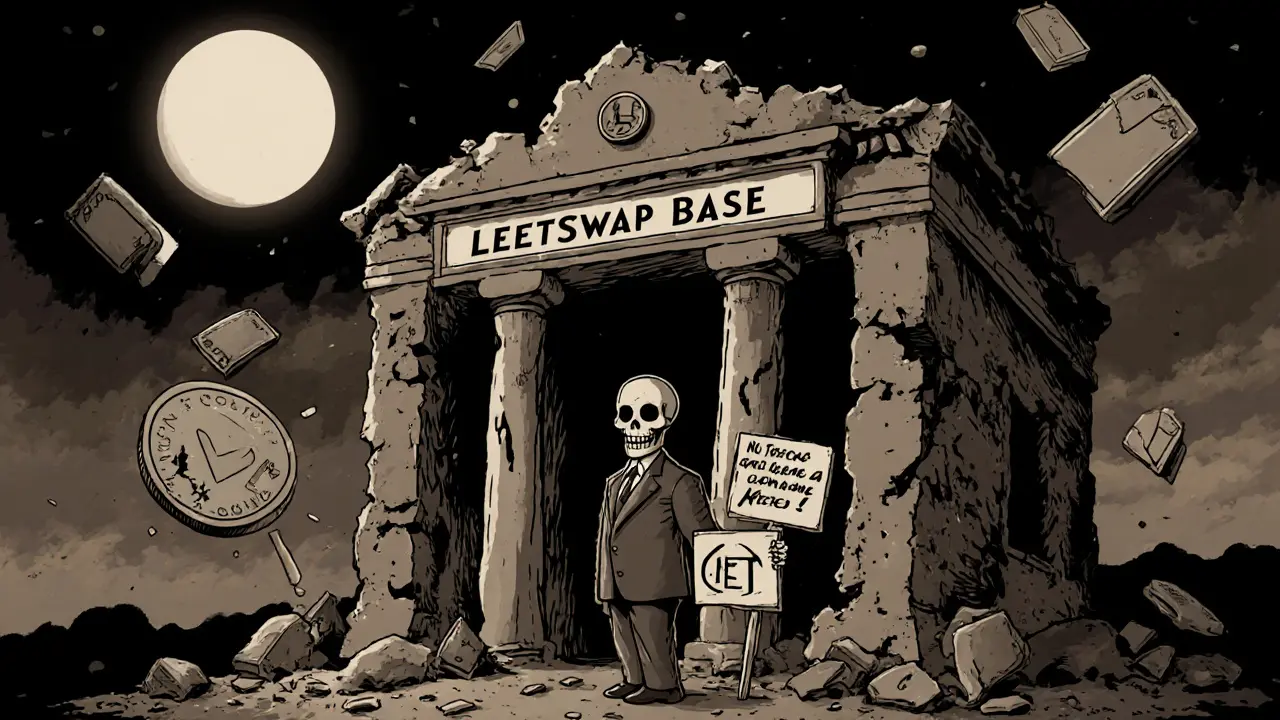
LeetSwap (Base) was a failed decentralized exchange that collapsed after a July 2023 exploit. With zero trading volume, no team response, and no recovery options, it stands as a warning for crypto users.
Continue reading