What Exactly is the BlockSwap Network?
Before jumping into the rewards, you need to understand the engine driving this project. BlockSwap Network is a layer-1 blockchain solution designed to optimize liquidity swapping and gaming integration. Unlike older chains that struggle with high gas fees during peak traffic, BlockSwap uses a modified consensus mechanism to ensure that gaming transactions-like buying a virtual item or staking a game asset-happen almost instantly. This network is the foundation for the CMC StakeHouse Game. Think of it as a digital hub where DeFi (Decentralized Finance) meets gaming. Instead of just clicking a button to stake tokens, you are interacting with a game environment. This approach, often called GameFi, aims to make the boring parts of crypto, like yield farming, actually fun. By participating in the StakeHouse, you aren't just a passive holder; you are an active part of the network's economy.Breaking Down the CMC StakeHouse Game
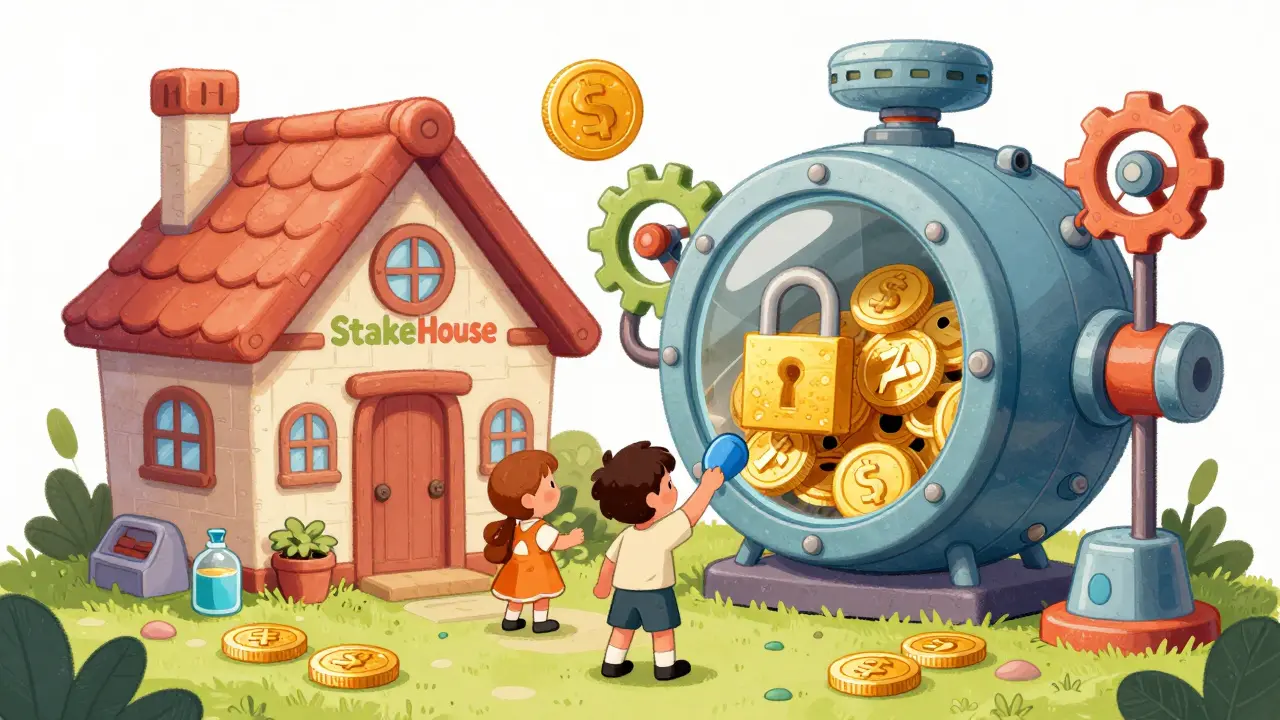
CMC StakeHouse Game is the primary vehicle for the current distribution of tokens. In this ecosystem, "staking" is transformed into a game mechanic. Users interact with the StakeHouse to lock up their assets, which in turn secures the network and earns them rewards. But why the "Game" aspect? The developers realized that traditional staking interfaces are dry. By introducing game elements-such as leveling up your house, unlocking new rooms, or competing with other stakers-they increase user retention. The airdrop is designed to reward these early adopters. If you spend time engaging with the game mechanics, you are essentially proving your value to the network, and the airdrop is your payment for that loyalty.How to Qualify for the CBSN Airdrop
Getting your hands on these tokens isn't as simple as signing up for a newsletter. Most high-value airdrops require "proof of work" or "proof of engagement." To maximize your chances, you should focus on these three core activities:- Active Staking: Lock your tokens in the StakeHouse. The amount and duration of your stake usually determine the tier of your reward. A "Diamond Tier" staker will naturally receive more than a "Bronze Tier" participant.
- In-Game Milestones: Complete specific tasks within the CMC StakeHouse Game. This might include reaching a certain level or inviting a specific number of friends to join the ecosystem.
- Network Interaction: Use the BlockSwap Network for swaps or transfers. The team looks for wallets that actually use the chain, not just "sybil" accounts created solely to farm airdrops.
| Tier | Requirement | Expected Reward Level |
|---|---|---|
| Beginner | Basic Wallet Connection + 1 Task | Low |
| Active Player | Staking < 500 CBSN + 5 Milestones | Medium |
| Whale/Pro | Staking > 5000 CBSN + All Milestones | High |
Common Pitfalls to Avoid
Crypto is the Wild West, and airdrop season is when scammers are most active. Have you ever seen a "support agent" slide into your DMs offering to help you claim your tokens? Block that person immediately. One of the biggest mistakes users make is sharing their seed phrase. No legitimate project, including the BlockSwap Network, will ever ask for your private keys to "verify" your wallet. If a site asks for your seed phrase to claim an airdrop, it is a phishing scam. Another trap is ignoring the "vesting period." Sometimes, you are granted 1,000 tokens, but you can only withdraw 100 per month. If you sell everything the moment it hits your wallet without understanding the lock-up period, you might miss out on the long-term growth of the project. Always check the tokenomics to see how many tokens are circulating versus how many are locked.The Role of Tokenomics in the CBSN Ecosystem
For a token to have value, it needs a reason to exist beyond speculation. Tokenomics is the mathematical model that governs the supply and demand of a cryptocurrency. In the case of CBSN, the token serves several purposes:- Governance: Token holders can vote on changes to the BlockSwap Network, such as fee adjustments or new game features.
- Utility: You need CBSN to pay for transaction fees (gas) and to purchase upgrades within the CMC StakeHouse Game.
- Incentive: Staking your tokens earns you a percentage of the network's inflation, creating a passive income stream.
Step-by-Step Guide to Claiming Your Tokens
If the airdrop window is open, follow these exact steps to ensure you don't get left behind.- Set Up a Compatible Wallet: Use a wallet that supports the BlockSwap Network. Ensure you have a small amount of native tokens for gas fees; otherwise, you won't be able to sign the claim transaction.
- Connect to the Official Portal: Only use the official link provided by the BlockSwap Network's verified social media channels. Double-check the URL for typos.
- Verify Your Eligibility: Connect your wallet to see if your address qualifies based on your StakeHouse activity.
- Sign the Transaction: You will need to sign a message with your wallet. This does not give the site access to your funds; it simply proves you own the address.
- Claim and Secure: Once the tokens arrive, decide if you want to sell a portion to recover your initial stake or move them to a cold wallet for long-term holding.
Comparing BlockSwap to Other Gaming Chains
How does this stack up against the giants? Most gaming chains are either too slow (like early Ethereum) or too centralized. BlockSwap attempts to find the middle ground. By integrating the staking process directly into a game, they solve the "engagement problem" that plagues many DeFi projects. While chains like Polygon or Solana focus on raw speed, BlockSwap focuses on the *experience* of the user within the game. If you are tired of looking at spreadsheets to manage your crypto and would rather manage a digital house, this is a breath of fresh air. The synergy between the CMC StakeHouse and the underlying network creates a loop where gaming drives network usage, and network usage increases token value.Is the CBSN airdrop free?
While the tokens themselves are free, you usually need a small amount of cryptocurrency for "gas fees" to process the transaction on the blockchain. Additionally, most tiers require you to stake some assets to qualify, which means you are investing your own capital to earn the reward.
How do I know if I am eligible for the CMC StakeHouse rewards?
Eligibility is typically determined by your wallet address activity. You can check this by connecting your wallet to the official BlockSwap Network claiming portal. If you have staked tokens or completed in-game milestones in the StakeHouse, you should see your eligible balance there.
What happens if I lose my seed phrase?
If you lose your seed phrase, you lose access to your wallet and any tokens inside it, including your airdrop. There is no "forgot password" button in decentralized finance. Always keep your backup phrases offline and in a safe place.
Can I sell my CBSN tokens immediately?
Yes, once the tokens are in your wallet and the trading pair is live on an exchange, you can sell them. However, be aware of any vesting schedules. Some airdrops release tokens in increments over several months to prevent a massive price crash.
What is the difference between BlockSwap Network and a standard exchange?
A standard exchange is often a centralized place to buy and sell. BlockSwap Network is a blockchain (Layer-1), meaning it provides the actual infrastructure that allows apps, games like StakeHouse, and tokens to exist and operate without a central authority.