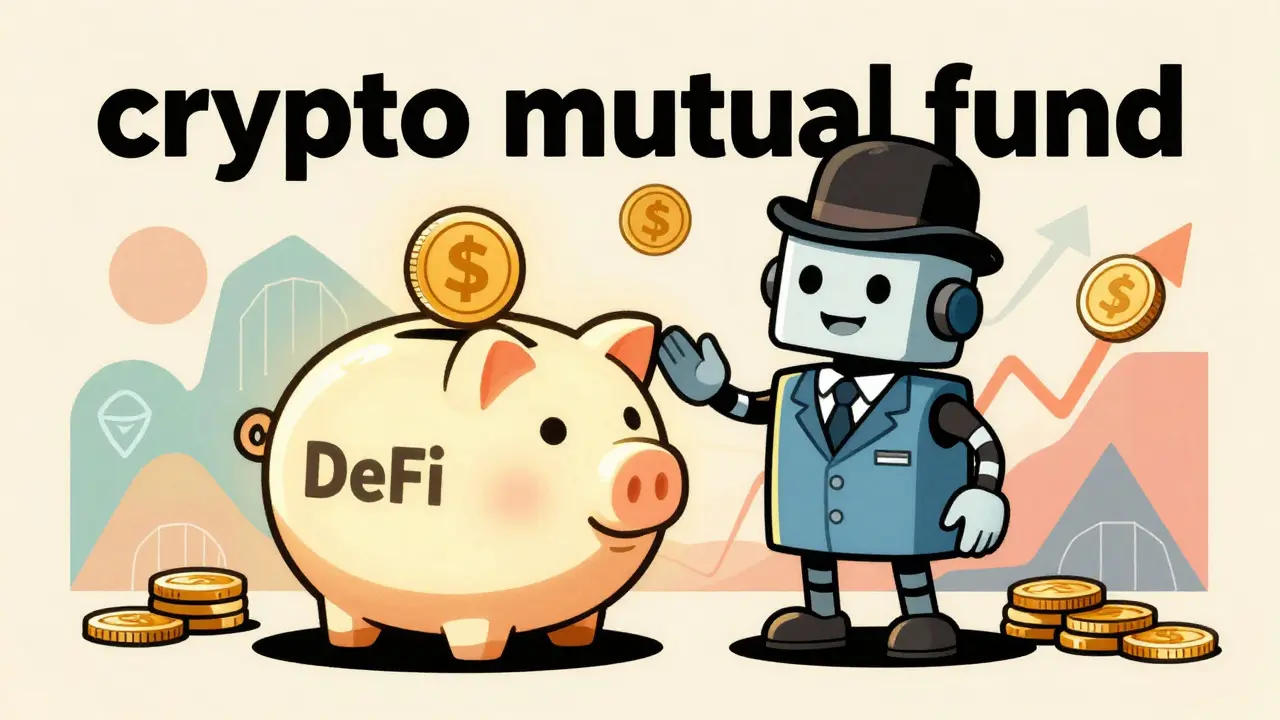
You see a ticker symbol like MSHEESHA is a utility token for the Sheesha Finance decentralized investment platform on the Polygon network. It promises something that sounds almost too good to be true in the world of DeFi is Decentralized Finance, a system allowing financial transactions without traditional intermediaries.: passive income through a "mutual fund" style approach. You might wonder if this is your next big win or just another forgotten experiment from the 2021 bull run. The short answer? It’s complicated. While the concept of an automated yield farming is a strategy where users lock up their cryptocurrency to earn rewards. aggregator is solid, the reality for MSHEESHA holders has been defined by extreme volatility and thin liquidity.
If you are looking at buying this token today, you need to understand exactly what it does, where it lives on the blockchain, and why its price action looks so erratic compared to giants like Ethereum or even established Layer-2 tokens. This isn't just about checking a price chart; it's about understanding the mechanics of a niche asset that operates in the shadows of the broader crypto market.
The Core Concept: A DeFi Mutual Fund on Polygon
At its heart, Sheesha Finance is a decentralized finance protocol designed to aggregate investments across multiple projects. aims to solve a specific problem: complexity. In early DeFi, earning yield meant manually moving funds between dozens of protocols, managing gas fees, and constantly monitoring impermanent loss. Sheesha Finance tried to automate this. Think of it as a robo-advisor for crypto. Instead of picking individual stocks-or in this case, individual yield farms-you buy one token (MSHEESHA) that represents a share in a diversified portfolio.
The platform pools capital and invests it in curated DeFi projects. As those underlying projects generate returns, those rewards flow back to the pool. Holders of MSHEESHA can then stake their tokens to receive a portion of these yields, often distributed in both MSHEESHA itself and tokens from partner projects. This model relies heavily on the efficiency of the Polygon network is a scaling solution for Ethereum that offers faster and cheaper transactions.. By building on Polygon rather than Ethereum mainnet, Sheesha Finance reduces transaction costs significantly, making smaller, more frequent rebalancing of the portfolio economically viable.
However, there is a catch. The success of this model depends entirely on the performance of the underlying assets and the security of the smart contracts managing them. If the chosen DeFi projects underperform or suffer hacks, the value of the MSHEESHA token drops accordingly. Unlike a traditional mutual fund with regulatory oversight, here you are trusting code and a relatively small team.
Tokenomics and Supply: What Are You Actually Buying?
Before you swap your USDT for MSHEESHA, you need to look at the supply dynamics. The numbers here can be confusing because different data aggregators report different figures based on how they define "circulating supply." Here is the breakdown based on available data:
- Maximum Supply: 1,000,000,000 MSHEESHA tokens.
- Total Minted Supply: Approximately 895,191,604 MSHEESHA.
- Circulating Supply: This varies wildly. Some sources show near-zero circulating supply (implying most tokens are locked or vested), while others report over 380 million tokens in active circulation.
This discrepancy is a major red flag for liquidity analysis. If a large portion of the supply is held by private investors or the project treasury (as indicated by initial distribution data showing 27% allocated to private/pre-sale investors), sudden unlocks could flood the market and crash the price. For a retail investor, buying into a token with unclear circulating metrics means you have less visibility into selling pressure.
| Metric | Value / Detail |
|---|---|
| Network | Polygon (MATIC) |
| Contract Standard | ERC-20 compatible |
| Launch Year | 2021 |
| Primary Use Case | Staking, Governance, Yield Distribution |
| All-Time High (USD) | ~$0.0036 (varies by source) |

Liquidity Crisis: The Hidden Risk of Micro-Caps
Here is where things get tricky. You might see a price listed on CoinMarketCap or CoinGecko, but can you actually sell your tokens without losing half your money to slippage? Liquidity is the lifeblood of any tradable asset, and MSHEESHA suffers from severe illiquidity.
Most trading happens on QuickSwap is a decentralized exchange built on the Polygon network., a DEX native to Polygon. Recent data snapshots show daily trading volumes often dipping below $100 USD. To put that in perspective, if you tried to sell $50 worth of MSHEESHA, you might move the entire day's volume. This creates high slippage, meaning the price you see when you click "swap" is rarely the price you get.
Furthermore, major centralized exchanges like Binance do not list MSHEESHA for spot trading. This absence signals that institutional auditors or listing committees have deemed the token too risky or lacking sufficient user base for mainstream adoption. Without CEX listings, you are reliant on decentralized platforms, which require more technical know-how and expose you to higher interface risks.
Price History and Volatility: A Steep Decline
Let’s talk numbers. Since its launch in 2021, MSHEESHA has experienced a dramatic drawdown. Data from trackers like CoinPaprika indicates the token traded at an all-time high of roughly $0.0036. By mid-2026, prices hovered around $0.00013 or lower, representing a drop of over 95% from its peak.
Why such a steep decline? Several factors contribute:
- DeFi Winter: The broader DeFi sector cooled significantly after 2021, reducing demand for yield-farming governance tokens.
- Competition: Newer, better-capitalized protocols entered the space, offering higher yields or safer security audits.
- Lack of Innovation: The "mutual fund" model did not gain widespread traction as originally hoped, with many users preferring direct exposure to blue-chip assets like ETH or stablecoin yields.
This history serves as a cautionary tale. Past performance is not indicative of future results, but a 95% drawdown suggests that early investors were left holding the bag as interest waned. Any potential "growth" mentioned in promotional materials must be weighed against this historical context.
How to Interact with MSHEESHA (If You Choose To)
If you decide the risk-reward ratio makes sense for your portfolio, here is how you technically interact with the token. Keep in mind this requires a basic understanding of Web3 wallets.
- Set Up a Wallet: You need a wallet compatible with Polygon, such as MetaMask or Trust Wallet. Ensure you have some MATIC (Polygon's native token) to pay for gas fees.
- Access a DEX: Navigate to QuickSwap.io. Connect your wallet.
- Swap Tokens: Swap USDT or MATIC for MSHEESHA using the contract address:
0x88C949b4eB85a90071f2C0beF861BDDEe1a7479D. Always double-check this address to avoid scams. - Stake (Optional): Visit the Sheesha Finance dashboard to stake your MSHEESHA tokens. This locks them up in exchange for potential yield distributions from the underlying portfolio.
Note that due to low liquidity, always use limit orders if possible, or expect significant price impact on market buys/sells. Also, verify the current status of the staking pool; inactive pools mean zero rewards.
Is MSHEESHA Still Relevant in 2026?
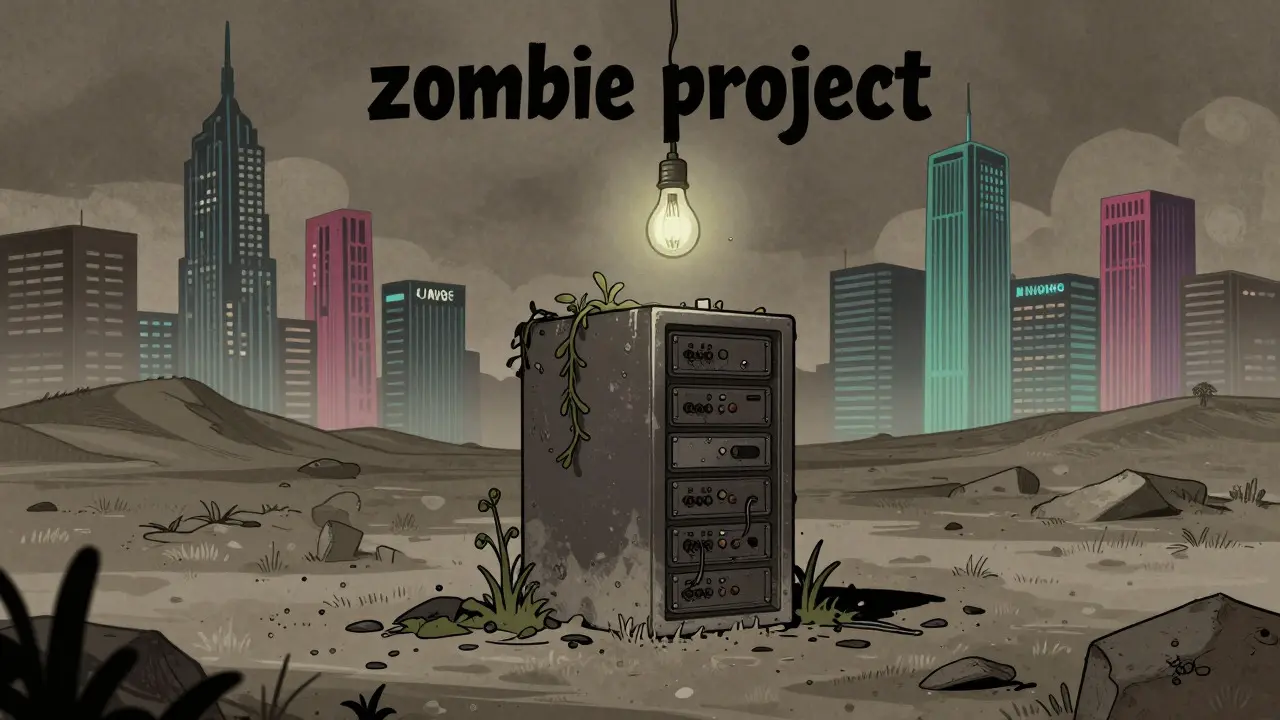
In the fast-moving world of crypto, relevance is tied to activity. As of 2026, MSHEESHA appears to be a zombie project-technically alive on-chain, but with minimal community engagement and trading volume. The multi-chain expansion promised by Sheesha Finance has not resulted in significant capital inflows.
For the average investor, the opportunity cost is high. You could achieve similar diversification with established index funds or larger DeFi governance tokens like Aave or Uniswap, which offer deeper liquidity and stronger security guarantees. MSHEESHA remains a speculative bet on a niche idea that failed to capture mass adoption. It serves as a reminder that in DeFi, innovation alone doesn't guarantee survival; execution, community, and liquidity matter just as much.
What is the contract address for MSHEESHA?
The official contract address for Sheesha Finance Polygon (MSHEESHA) on the Polygon network is 0x88C949b4eB85a90071f2C0beF861BDDEe1a7479D. Always verify this on PolygonScan before interacting.
Can I buy MSHEESHA on Binance?
No, MSHEESHA is not currently listed for spot trading on Binance. It is primarily traded on decentralized exchanges like QuickSwap.
Is Sheesha Finance a scam?
There is no definitive evidence labeling Sheesha Finance as a outright scam, but it exhibits characteristics of high-risk, low-liquidity micro-cap projects. The lack of transparency in circulating supply and significant price drawdowns suggest extreme caution is warranted.
What is the maximum supply of MSHEESHA?
The maximum supply of MSHEESHA is capped at 1,000,000,000 tokens. However, the actual minted supply is approximately 895 million, with varying amounts in circulation depending on vesting schedules.
How does Sheesha Finance make money?
Sheesha Finance aggregates capital and invests in various DeFi protocols. It earns yields from these investments and distributes a portion to MSHEESHA stakers, while retaining some fees for platform maintenance and development.