Virtual Assets Bill 2025: What It Means for Crypto, Airdrops, and Exchanges
When we talk about the Virtual Assets Bill 2025, a proposed legal framework to define, regulate, and tax digital assets like cryptocurrencies and tokens. Also known as digital asset legislation, it’s not just bureaucracy—it’s the rulebook that could decide whether your next airdrop is legal, your favorite exchange stays open, or your crypto holdings get flagged by regulators.
This bill isn’t theoretical. Countries like the UAE, Singapore, and parts of Europe are already building similar systems, and the U.S. and other major economies are watching closely. The crypto exchange, a platform where users buy, sell, or trade digital assets like Bitcoin or BAMP. Also known as crypto trading platform, it’s one of the first targets for compliance rules under this bill. If you’ve used BitUBU, LeetSwap, or Spectre, you’ve already felt the fallout from unregulated platforms. The Virtual Assets Bill 2025 could force exchanges to prove they’re secure, licensed, and transparent—or shut down. That’s why posts about failed exchanges aren’t just cautionary tales—they’re early warnings of what’s coming.
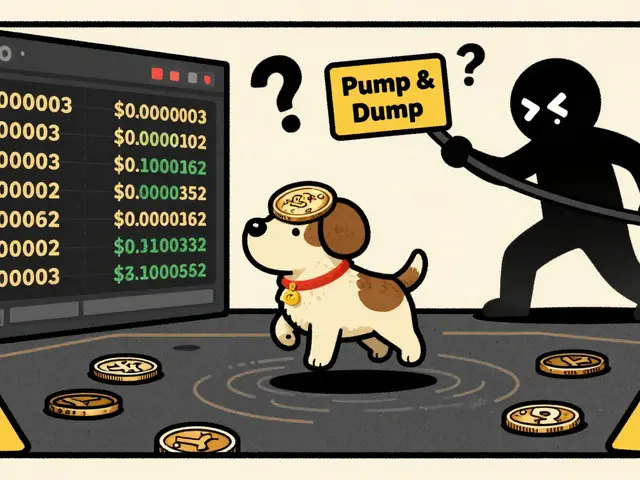
Then there’s the airdrop, a free distribution of tokens to users, often as a marketing tactic or reward for participation. Also known as token giveaway, it’s the most popular way new projects attract users—but also the most abused. The bill could make fake airdrops like SecretSky.finance or SCIX illegal by requiring clear disclosure, identity verification, and proof of project legitimacy. If you’ve ever been asked to send crypto to claim free tokens, you’re already in the crosshairs of what this law aims to stop. The same rules could apply to token listings, staking rewards, and even meme coins like BABYSOL. No more anonymous teams, no more zero-liquidity tokens pretending to be real projects.
And it’s not just about stopping scams. The bill also opens the door for legal, regulated crypto use. In places like the UAE, where VARA licensing, the regulatory body overseeing virtual assets in Dubai. Also known as Virtual Assets Regulatory Authority, it’s the model many countries are copying. exchanges can operate legally, users get protection, and innovation isn’t crushed. The Virtual Assets Bill 2025 could bring that clarity to more countries—making it safer to trade, lend, or mine crypto without fear of sudden crackdowns.
What you’ll find below isn’t just a list of articles. It’s a snapshot of what happens when regulation catches up to crypto. From the fall of OpenDAO to the energy limits in Iceland, from the quiet death of NextEarth to the rise of Base’s native token, every post here connects to the same question: how will rules like the Virtual Assets Bill 2025 change what’s possible in crypto? You’ll see how scams get exposed, how legal frameworks shape markets, and why some projects survive while others vanish. This isn’t speculation—it’s the real-world impact of a law that’s already being written.
Pakistan legalized cryptocurrency in 2025 with the Virtual Assets Bill, creating PVARA to regulate digital assets. While holding and transferring crypto is now legal, retail payments and open trading are banned. The state is pushing its own Digital PKR as the future of money.
Continue reading