Real Estate Tokens: What They Are and How They Work in 2025
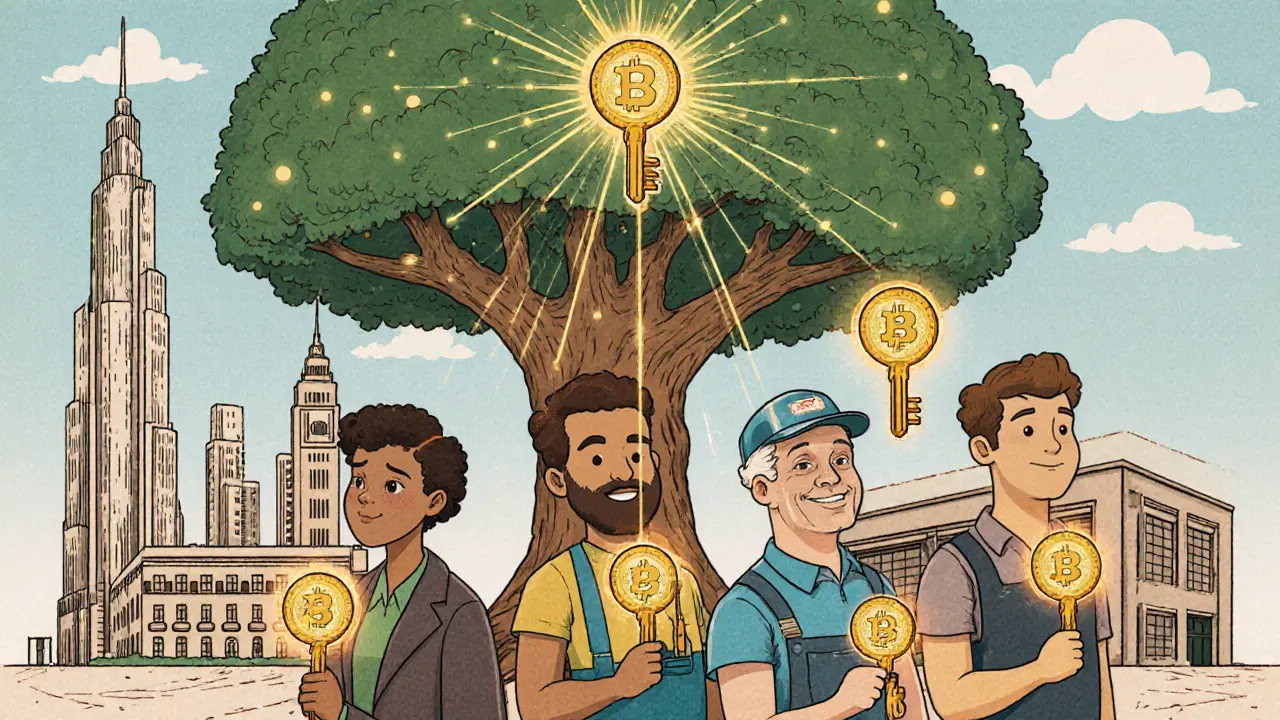
When you hear real estate tokens, digital representations of ownership in physical property, often built on blockchain networks. Also known as tokenized real estate, they let you buy fractions of a building, land, or apartment without needing millions in cash. This isn’t science fiction—it’s happening right now, with people in the U.S., Singapore, and Switzerland already owning shares in office towers and rental homes through blockchain.
Real estate tokens work by turning a property into a smart contract. That contract splits ownership into hundreds or thousands of digital tokens, each representing a small stake. You can buy one token for $50 or 500, trade it on crypto platforms, and even earn rent payouts automatically. Unlike traditional real estate, where buying a house takes months and a down payment, real estate tokens let you start small, move fast, and sell when you want. It’s like buying a stock, but instead of a company, you own part of a building.
These tokens are tied to real assets, so their value depends on the property’s location, condition, and rental income. A token backed by a downtown NYC apartment will behave differently than one tied to a warehouse in Texas. That’s why some projects fail—poor property selection, weak legal backing, or no actual rent collection. But the ones that work? They’re changing how people invest. You don’t need to be rich. You don’t need to be a landlord. You just need a wallet and a sense of where value is growing.
Related concepts like DeFi real estate, the use of decentralized finance protocols to manage, lend against, or earn yield from tokenized property are making this even more powerful. Imagine lending your real estate tokens to someone else for a fixed return, or using them as collateral to borrow crypto—all without a bank. That’s the future, and it’s already live on platforms like RealT, Propy, and others.
And then there’s blockchain property, the broader system that records ownership, transfers, and contracts on a public ledger. This removes middlemen. No title companies. No escrow delays. Just a secure, transparent record that can’t be altered. That’s why governments and institutions are watching closely. Countries like Switzerland and Portugal are testing legal frameworks to make these tokens fully compliant.
But here’s the catch: not every project is real. Many fake tokens promise sky-high returns on empty buildings. Some are outright scams. That’s why the posts below don’t just list tokens—they dig into what’s actually working, what’s dead, and what you need to check before you buy. You’ll find reviews of platforms, breakdowns of tokenized assets, and warnings about the ones that look too good to be true. If you’re curious about owning part of a house without signing a mortgage, this collection cuts through the noise. No fluff. Just what matters.
Tokenized real estate lets you own fractions of properties using blockchain, with lower costs, higher liquidity, and global access. See how it works, why returns are rising, and who’s investing now.
Continue reading