Iceland crypto mining: Why it's unique, how it works, and what you need to know
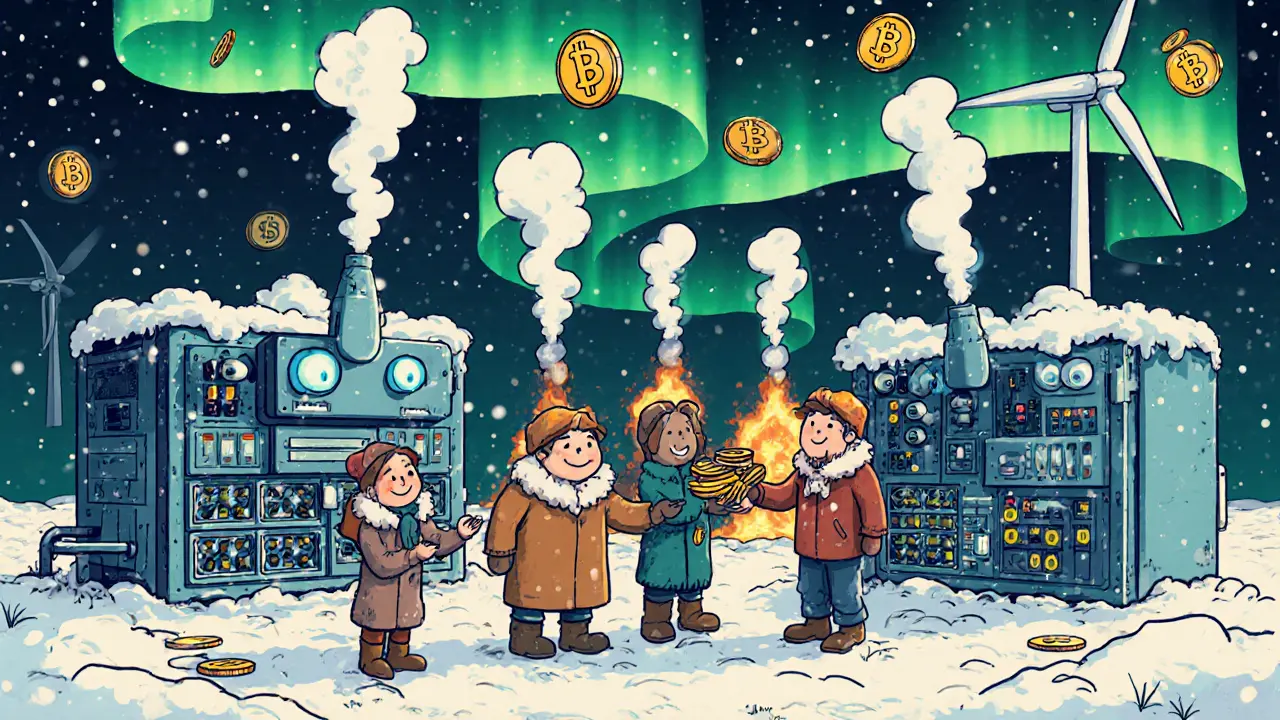
When people talk about Iceland crypto mining, the use of Iceland’s natural energy resources to power cryptocurrency mining operations. Also known as green crypto mining, it became a global case study in how geography can shape crypto economics. Back in 2017–2021, Iceland was the go-to spot for Bitcoin miners. Why? Cold air, cheap electricity, and geothermal power made it almost perfect. Miners didn’t need expensive cooling systems. The wind and volcanoes kept the lights on—literally. But that boom didn’t last.
What changed? electricity cost, the price per kilowatt-hour for running mining hardware went up as demand grew. Local utilities started charging miners more, and the government began limiting new connections. ASIC miner profitability, the measure of whether mining hardware earns more than it costs to run dropped fast. Many big operations packed up and moved to places like Texas or Kazakhstan, where energy was still cheaper and rules were looser. Today, only a few serious miners remain—mostly those with long-term contracts or those using leftover heat for greenhouses and fish farms.
Still, Iceland crypto mining isn’t dead—it’s just smarter. The real lesson isn’t about chasing the coldest climate. It’s about understanding energy sources, long-term costs, and how regulation can flip a profitable model overnight. If you’re thinking about mining, don’t just look at the temperature outside. Look at the power bill, the grid rules, and what happens when the hype fades. The posts below show real examples of mining setups, profitability tools, and what actually happened to miners who bet big on Iceland. You’ll see what worked, what didn’t, and why most people who jumped in lost money—not because of tech, but because they ignored the basics.
Iceland once led the world in crypto mining thanks to cheap renewable energy, but now energy limits and government policy have frozen expansion. Existing miners survive, but new ones can't get power.
Continue reading