Energy Restrictions in Iceland: What They Mean for Crypto Mining and Beyond
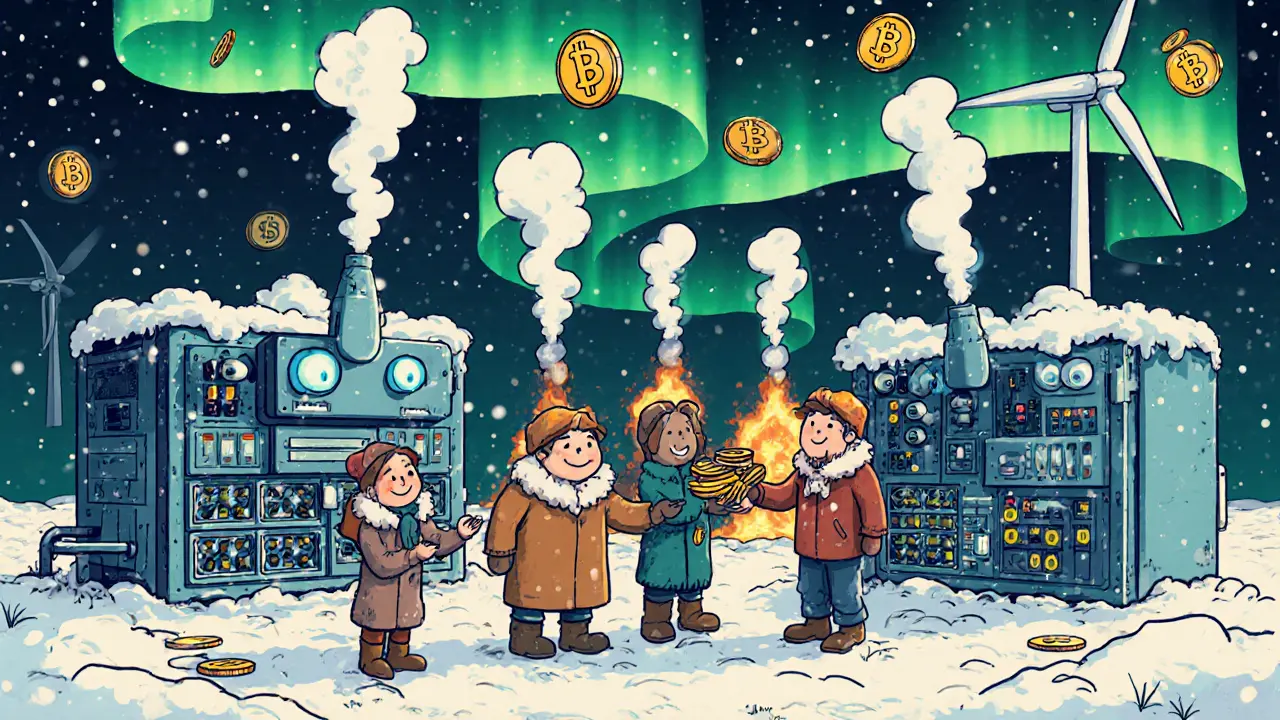
When you think of energy restrictions in Iceland, government-imposed limits on electricity use to protect the country’s renewable power grid. Also known as power allocation caps, these rules were never meant to target crypto—but that’s exactly where they hit hardest. Iceland’s cheap, clean geothermal and hydroelectric power once made it the go-to spot for Bitcoin miners. But as demand grew, the grid hit its limit. In 2022, the government stopped approving new large-scale power contracts for mining farms. Now, only existing operations can run—and even they face strict monitoring.
This isn’t just about Bitcoin. crypto mining Iceland, the practice of using Iceland’s abundant renewable energy to validate blockchain transactions. Also known as green crypto mining, it was once seen as a perfect match: low-carbon energy meeting high-energy tech. But when the government capped new power allocations, it didn’t just slow mining—it exposed how fragile the whole model was. Miners who thought they had a long-term edge suddenly faced shutdowns, relocation, or forced downsizing. Meanwhile, DeFi projects that relied on cheap, stable power for node operations had to rethink their infrastructure. Even small-scale staking setups got caught in the crossfire as utilities tightened access.
The real story behind renewable energy crypto, the idea that blockchain networks can run on clean power without harming the environment. Also known as sustainable crypto, it’s a noble goal—but Iceland’s experience shows it’s not that simple. You can’t just plug a mining rig into a wind turbine and call it green. If the grid is already maxed out serving homes and businesses, adding more load—even from renewables—means someone else pays the price. Iceland’s restrictions forced the world to see that sustainability isn’t just about the energy source. It’s about total system capacity, long-term planning, and who gets priority.
What you’ll find below isn’t just a list of articles. It’s a collection of real cases where energy limits, power costs, and regulatory shifts changed the fate of crypto projects. From failed exchanges that couldn’t afford electricity to airdrops tied to energy-heavy networks that collapsed under scrutiny—these stories show how infrastructure decisions can make or break a crypto venture. You won’t find fluff here. Just hard truths about what happens when the power runs out.
Iceland once led the world in crypto mining thanks to cheap renewable energy, but now energy limits and government policy have frozen expansion. Existing miners survive, but new ones can't get power.
Continue reading