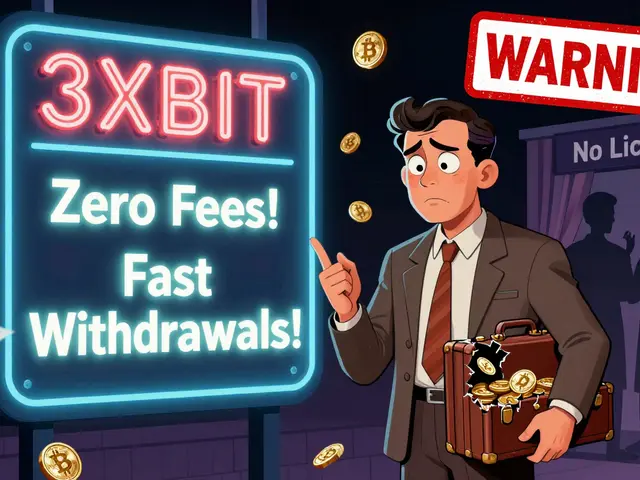
Imagine logging into a trading platform that promises zero commissions, spreads near zero pips, and leverage up to 1:500. It sounds like the holy grail for retail traders looking to maximize returns with minimal capital. That is exactly the pitch RaiseFX is making. Operated by Raise Global SA Limited, this multi-asset platform offers access to cryptocurrencies, forex, indices, commodities, and stocks through familiar interfaces like MetaTrader 4 and 5. But before you deposit your hard-earned money, you need to look past the shiny marketing materials. The reality of trading with an offshore entity carries hidden costs that don't show up on the order ticket.
The Allure of Low Costs and High Leverage
Why do traders flock to platforms like RaiseFX? The economics are undeniably attractive on paper. With a minimum initial deposit of just $100, the barrier to entry is low enough for almost anyone. The fee structure is designed for high-frequency traders, boasting zero commissions on most trades. If you trade EUR/USD, you might see spreads hovering close to zero pips, which significantly reduces the cost per trade compared to traditional brokers. For those who hold positions overnight, swap fees can sometimes be eliminated entirely, further sweetening the deal.
Then there is the leverage. RaiseFX advertises ratios reaching up to 1:400 or even 1:500. In practical terms, this means you can control a position worth $50,000 with just $100 of your own capital. While this amplifies potential profits, it also magnifies losses to a degree that can wipe out an account in minutes if the market moves against you. The platform supports major assets like Bitcoin and Ethereum, alongside blue-chip stocks from companies like Apple and Microsoft. It also includes a copy trading feature, allowing beginners to mirror the strategies of more experienced users within the ecosystem. It’s a comprehensive toolkit, but does the price tag of regulatory uncertainty outweigh these benefits?
Regulatory Red Flags: Where the Risk Lives
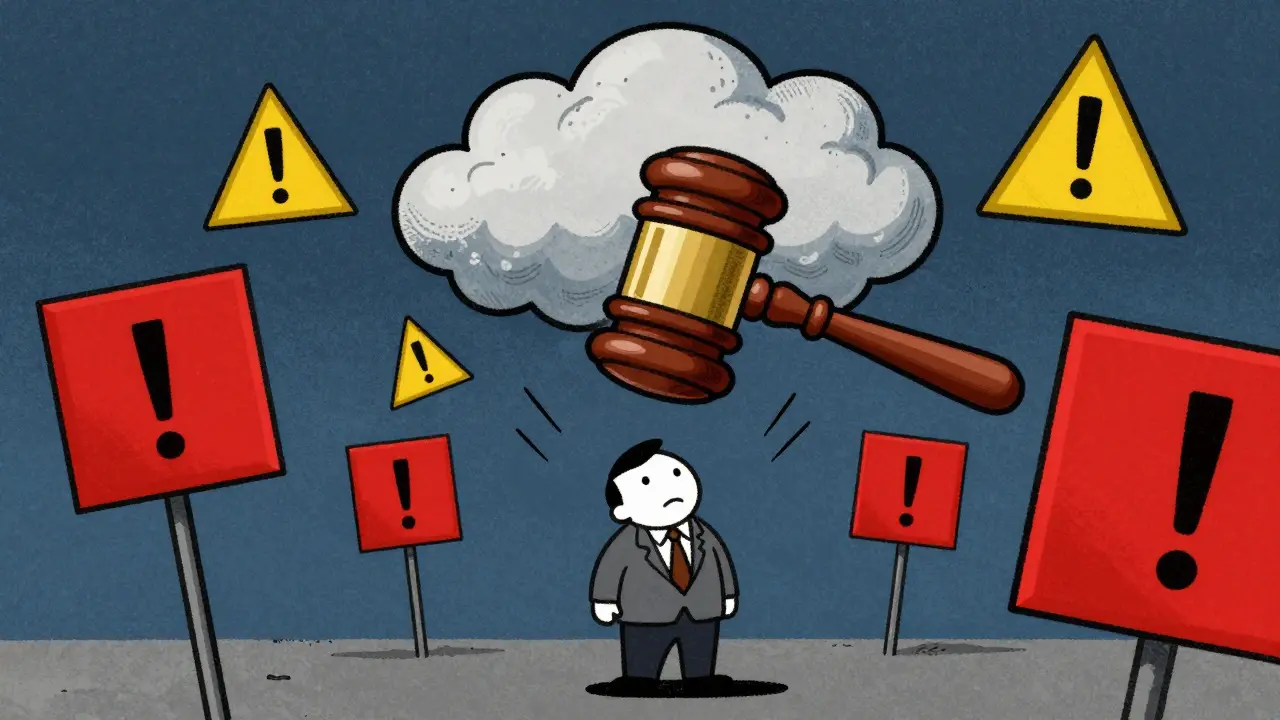
This is the section where most reviews get vague, but here we need to be blunt. The regulatory status of RaiseFX is its biggest weakness. The company claims regulation by South Africa's Financial Sector Conduct Authority (FSCA). However, independent verification efforts have questioned the validity of this licensing claim. When a regulator’s license cannot be easily verified on the official registry, it raises immediate eyebrows among compliance professionals.
More concerning are the explicit actions taken by European authorities. France's Autorité des Marchés Financiers (AMF) has blacklisted RaiseFX, effectively banning it from operating legally in France. Spain's Comisión Nacional del Mercado de Valores (CNMV) has also flagged the broker for operating without proper authorization. These are not minor technicalities; they are formal warnings from tier-one financial bodies. Furthermore, RaiseFX lacks regulatory approval in major financial centers including the United Kingdom, the European Union, and Australia. This absence limits legal protections for traders in these regions and suggests the broker operates primarily in jurisdictions with lighter oversight.
Platform Features and User Experience
Setting aside the regulatory concerns for a moment, the actual trading experience relies heavily on the MetaTrader 4 (MT4) and MetaTrader 5 (MT5) platforms. These are industry-standard terminals known for their robust charting capabilities, advanced technical analysis tools, and support for algorithmic trading via Expert Advisors. If you are already comfortable with MT4 or MT5, the transition to RaiseFX will feel seamless. You won’t have to learn a new interface or relearn how to place orders.
The user experience is tailored to both novice and experienced traders. Educational resources are available, though their depth varies. The copy trading feature serves as a learning pathway for beginners who may not yet understand risk management fully. However, the aggressive marketing of high leverage poses a specific risk to inexperienced users. A beginner might not fully grasp that 1:500 leverage means a 0.2% move in the market against them results in a 100% loss of their margin. The combination of instant deposits via Visa, Mastercard, or cryptocurrency, and a standard three-business-day withdrawal timeframe, aligns with industry norms, but the speed of getting money *in* is often faster than getting it *out* when issues arise.
Security and Fund Protection Realities
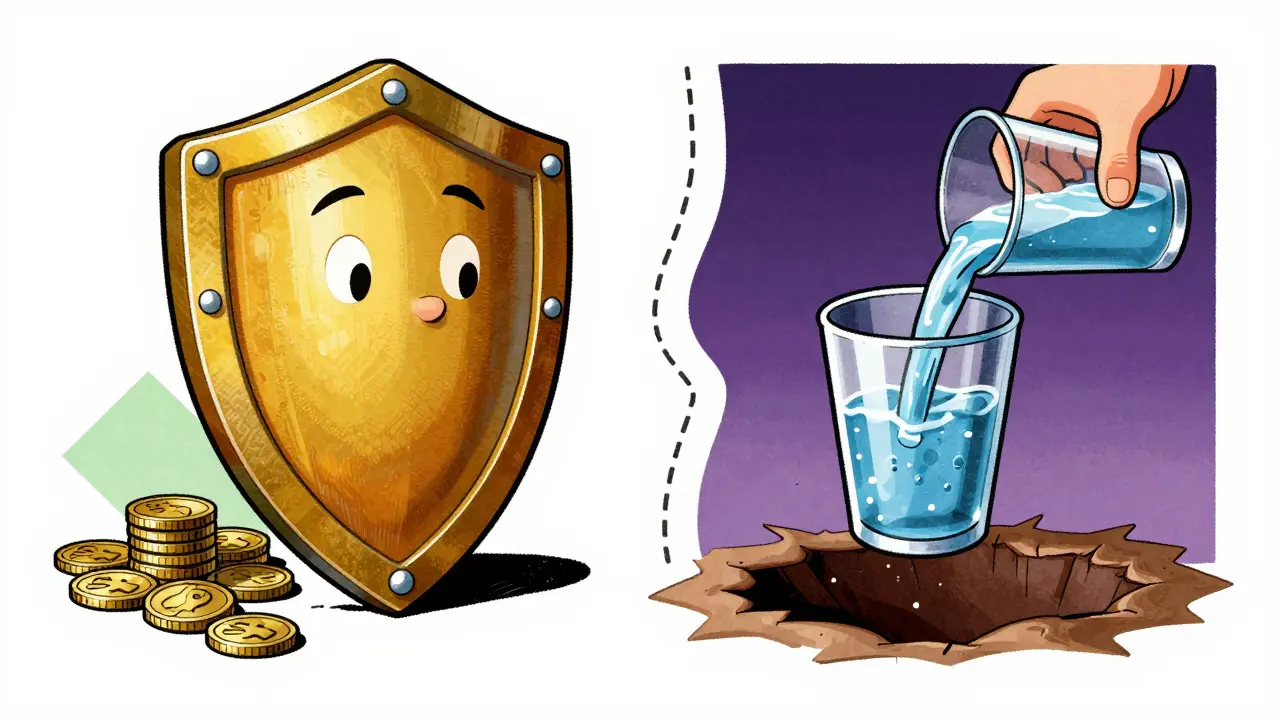
RaiseFX claims to use data encryption protocols to protect personal information and financial transactions. They also advertise segregated client accounts, a standard practice where trader funds are kept separate from the company's operational capital. In theory, this protects your money if the broker goes bankrupt. In practice, the enforceability of this protection depends entirely on the regulatory framework governing the broker.
Because RaiseFX lacks oversight from tier-one authorities like the FCA (UK) or ASIC (Australia), standard investor protection schemes do not apply. In regulated markets, if a broker fails, compensation funds often cover up to a certain amount per client. With RaiseFX, if a dispute arises over withdrawals or if the company faces insolvency, your recourse is limited to civil litigation in potentially distant jurisdictions. There is no local regulator to call for help. This lack of a safety net is the primary risk factor for any trader considering this platform.
Comparison with Regulated Alternatives
To put the risks into perspective, let’s compare RaiseFX with established, regulated competitors. Platforms like eToro, Plus500, or IG Group offer similar access to global markets and competitive spreads. The key difference is the regulatory backing. These competitors operate under strict supervision by bodies like the FCA, SEC, or CySEC. This ensures transparency in pricing, regular audits of client funds, and clear dispute resolution mechanisms. While their spreads might be slightly wider than RaiseFX’s "near-zero" claims, the certainty of fair treatment and fund security is invaluable. For a trader prioritizing long-term asset preservation over short-term spread savings, the regulated option is almost always the safer bet.
| Feature | RaiseFX | Typical Regulated Broker (e.g., FCA/ASIC) |
|---|---|---|
| Minimum Deposit | $100 | $100 - $500 |
| Leverage | Up to 1:500 | Up to 1:30 (Retail EU/UK), Higher for Pro |
| Commissions | Zero on most instruments | Low to Moderate |
| Regulation | Questionable FSCA claim; Blacklisted by AMF/CNMV | FCA, SEC, CySEC, ASIC |
| Investor Compensation | None explicitly guaranteed | Yes (e.g., FSCS up to £85k) |
| Withdrawal Time | 3 Business Days | 1-3 Business Days |
Who Should Consider RaiseFX?
Given the profile, RaiseFX is best suited for experienced traders who prioritize low trading costs and high leverage above all else, and who are willing to accept the associated risks. These are traders who understand how to manage margin calls, monitor news events closely, and who keep only a small portion of their total portfolio in any single unregulated account. It is likely not suitable for beginners, long-term investors, or anyone who relies on regulatory protection for peace of mind. If you are new to trading, the complexity of high leverage combined with uncertain regulatory status creates a perfect storm for significant financial loss.
Final Verdict and Recommendations
RaiseFX offers a compelling package on the surface: low entry barriers, powerful technology, and aggressive pricing. However, the regulatory red flags are difficult to ignore. The blacklisting by French and Spanish authorities, coupled with unverifiable claims of South African regulation, suggest a level of operational opacity that serious traders should avoid. Before depositing, verify the license number directly on the FSCA website. Check the latest updates from the AMF and CNMV. If you decide to proceed, treat it as a speculative account rather than a primary brokerage relationship. Keep your exposure limited, withdraw profits regularly, and never rely on it for long-term asset storage. In the world of online trading, the cheapest option isn't always the safest, and with RaiseFX, that distinction is critical.
Is RaiseFX regulated?
RaiseFX claims regulation by the South African FSCA, but this is disputed by some independent verifiers. It is notably blacklisted by France's AMF and flagged by Spain's CNMV, indicating it operates without proper authorization in these key European markets.
What is the minimum deposit for RaiseFX?
The minimum initial deposit requirement is $100, making it accessible to retail traders with limited capital.
Does RaiseFX charge commissions?
Mostly no. RaiseFX advertises zero commission trading across most instruments, with costs primarily embedded in the spread between the bid and ask prices.
How long do withdrawals take at RaiseFX?
Standard withdrawal processing takes approximately three business days, which is consistent with industry norms for many online brokers.
Is RaiseFX safe for beginners?
It is generally considered risky for beginners due to the high leverage options (up to 1:500) and the lack of tier-one regulatory protection. Beginners should prefer regulated brokers with lower leverage caps and investor compensation schemes.