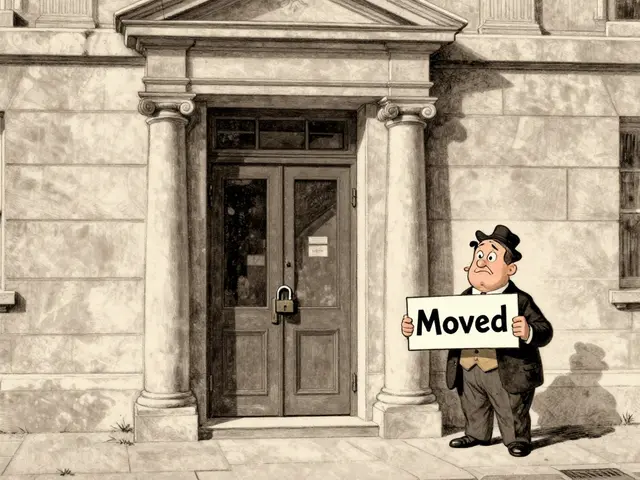
Imagine trying to log in to your favorite local bank only to find the doors locked and a sign saying you’ve been moved to a different branch. That is exactly what happened to thousands of users when Coinfloor was a pioneering London-based cryptocurrency exchange that ceased independent operations in October 2021 after migrating all customers to CoinCorner. If you are reading this hoping to open a new account on Coinfloor, stop right there. The platform no longer exists as an independent entity. However, understanding why it closed, how it operated, and where its users went is crucial for anyone interested in the history of UK crypto trading or those who might still have old records tied to the brand.
The Rise and Fall of a UK Pioneer
Coinfloor wasn’t just another name in the crowded crypto space. Founded in 2013 by Mark Lamb, Amadeo Pellicce, and James McCarthy, with Obi Nwosu as CEO, it positioned itself as a beacon of trust during the wild west days of Bitcoin. Headquartered at 1 Quality Court in the City of London, Coinfloor Limited became famous for one specific innovation: it was the first exchange to offer a blockchain-based proof of solvency. This meant they could publicly prove they actually held the funds their customers had deposited, a rare feat at a time when exchanges like Mt. Gox were collapsing under mysterious circumstances.
For years, it held the title of the largest Bitcoin-to-GBP exchange in the UK. But success didn’t last forever. On October 4, 2021, the company sent an email to all users announcing a merger. Coinfloor agreed to migrate its entire customer base to CoinCorner, a Bitcoin-focused exchange platform that absorbed Coinfloor's user base and assets in late 2021. This move effectively marked the end of Coinfloor. Industry trackers like Cryptowisser immediately moved it to their "Exchange Graveyard," signaling that while the technology and users lived on, the brand as an independent trader hub was dead.
What Made Coinfloor Different?
To understand why people used it-and why they left-we need to look at what Coinfloor offered compared to giants like Coinbase or Kraken. Its appeal was narrow but deep. It focused almost exclusively on the British market.
- Currency Focus: It only supported British Pound (GBP) paired with Bitcoin (BTC) and later Bitcoin Cash (BCH).
- Security First: They utilized 100% cold storage for user funds, meaning the majority of assets were kept offline, away from potential hackers. Multi-signature protocols added another layer of protection.
- Simplicity: The interface was basic. No complex charts, no margin trading, no futures. Just buy BTC with GBP via bank transfer.
This simplicity was a double-edged sword. For beginners, it was easy to use. For experienced traders, it was frustratingly limited. While competitors expanded to offer Ethereum, Ripple, Litecoin, and dozens of altcoins, Coinfloor stuck to its guns with only two cryptocurrencies. This refusal to diversify eventually hurt its competitiveness.
Fees and Costs: Was It Worth It?
When evaluating any exchange, fees are king. Coinfloor’s fee structure was straightforward but not the cheapest. They charged a flat 0.30% per trade. At the time, industry averages hovered around 0.25%, making Coinfloor slightly more expensive for frequent traders. However, their withdrawal fees were competitive, sitting at 0.0005 BTC, which was below the average network cost at the time.
| Feature | Coinfloor | Average Competitor (e.g., Coinbase/Kraken) |
|---|---|---|
| Trading Fee | 0.30% | ~0.25% - 0.50% |
| Supported Coins | BTC, BCH | 50+ Assets |
| Deposit Method | Bank Transfer Only | Bank, Card, PayPal |
| Regulatory Status | Gibraltar DLT License / HMRC Registered | Varies (FCA, SEC, etc.) |
Note that you could only deposit and withdraw via bank transfers. No credit cards, no instant buys. This made it slower but often cheaper than card-based platforms that charge high processing fees.

The Migration to CoinCorner
If you were a Coinfloor user in 2021, you didn’t lose your money; you just changed addresses. The migration to CoinCorner was designed to be seamless. CoinCorner promised to honor existing trading fees or match them closely. This was a strategic exit for Coinfloor, allowing it to shed operational burdens while ensuring its users remained in a regulated environment.
CoinCorner continues to operate today, serving over 35 countries. Like Coinfloor, it remains heavily focused on Bitcoin, though it has added some features and improved its mobile app. For former Coinfloor users, the transition meant keeping their fiat currency in GBP but adapting to a slightly different interface and support structure.
Why Did Coinfloor Close?
It wasn’t a hack or a fraud scandal. Coinfloor failed due to market dynamics. Between 2017 and 2020, the crypto market exploded with new assets. Traders wanted exposure to Ethereum, Solana, and various DeFi tokens. Coinfloor refused to expand beyond Bitcoin and Bitcoin Cash. Meanwhile, global exchanges lowered fees and added advanced trading tools. By sticking to a minimalist model in an increasingly feature-rich market, Coinfloor lost its edge. The acquisition by CoinCorner was likely a survival tactic rather than a failure of integrity.

Where Should You Trade Now?
Since Coinfloor is gone, UK traders need alternatives that offer similar security and GBP support. Here are the top contenders based on current market standards:
- Coinbase: Great for beginners, highly regulated, supports many coins, but higher fees.
- Kraken: Excellent for security and lower fees, strong reputation in Europe.
- CoinCorner: The direct successor to Coinfloor, ideal if you prefer a simple, Bitcoin-centric experience.
- Binance UK: Offers a wide range of assets and low fees, though regulatory scrutiny is high.
Each of these platforms offers FCA registration or equivalent regulatory oversight, providing a level of consumer protection that was evolving even when Coinfloor was active.
User Experience and Support
Looking back at user feedback, Coinfloor received mixed reviews. Some praised its simplicity and security, calling it a "genuine and secure platform." Others complained about the lack of customer support options. There was no live chat, no phone support-only email and tickets. In the fast-paced world of crypto, waiting hours for an email reply can be unacceptable. This limitation, combined with the restricted coin selection, drove many power users away before the final shutdown.
Is Coinfloor still active in 2026?
No, Coinfloor ceased independent operations on October 4, 2021. All users and assets were migrated to CoinCorner. You cannot create a new account on Coinfloor.
Where did my Coinfloor funds go?
If you were a user in 2021, your funds were automatically transferred to CoinCorner. You should have received instructions on how to access your account on the new platform.
Was Coinfloor safe?
Yes, Coinfloor was known for strong security measures, including 100% cold storage and proof of solvency audits. It was not hacked or defrauded; it closed due to business strategy changes.
Can I still use CoinCorner?
Yes, CoinCorner is fully operational and serves users in over 35 countries. It is the direct successor to Coinfloor for most former users.
Why did Coinfloor shut down?
Coinfloor struggled to compete with larger exchanges offering more cryptocurrencies and lower fees. Its narrow focus on Bitcoin and Bitcoin Cash became a liability as the market diversified.