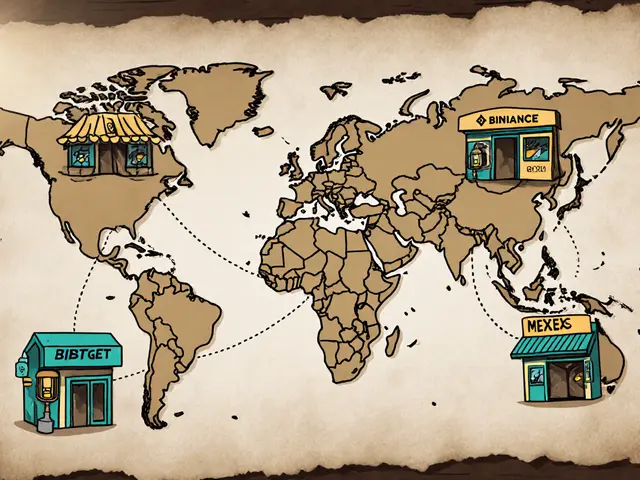
Imagine waking up to find that three-quarters of the world's Bitcoin mining power just vanished overnight. That is essentially what happened when China cracked down on cryptocurrency operations in 2021. It wasn't a gradual decline; it was a sudden, massive vacuum in the global network. For years, China had been the undisputed king of mining, hosting over 75% of the global hashrate. Then, with a few regulatory announcements, that dominance evaporated. The question everyone asked wasn't just "why," but "where did they go?" This article breaks down the great migration of Bitcoin infrastructure, tracing the path from Chinese provinces to the energy-rich landscapes of Kazakhstan and Texas.
The Great Hashrate Shift
To understand the scale of this event, you need to look at the numbers. According to data from the Cambridge Centre for Alternative Finance (CCAF), China's share of global Bitcoin mining dropped from 75.5% in September 2020 to roughly 46% by April 2021. By mid-2021, that number plummeted further as provincial bans turned into national mandates. This wasn't just about traders getting kicked out; it was an industrial-scale eviction of hardware. Unlike traditional industries tied to specific locations like ports or raw materials, Bitcoin mining is uniquely mobile because it only requires electricity and internet connectivity. This mobility allowed miners to pack up their ASIC machines-the specialized computers that solve Bitcoin puzzles-and ship them across borders faster than you might think.
The speed of this relocation stunned many observers. In previous years, Chinese miners would migrate seasonally within China, chasing cheap hydroelectric power during rainy seasons in Sichuan and moving back to coal-heavy regions in winter. But this time, the destination wasn't another province; it was another continent. The modular nature of mining rigs meant that entire farms could be disconnected, loaded onto trucks and ships, and reconnected in new jurisdictions with minimal downtime beyond the physical transport. This flexibility proved that Bitcoin mining isn't just an industry; it's a fluid asset class that flows toward the cheapest energy source available.
Kazakhstan: The Accidental Superpower
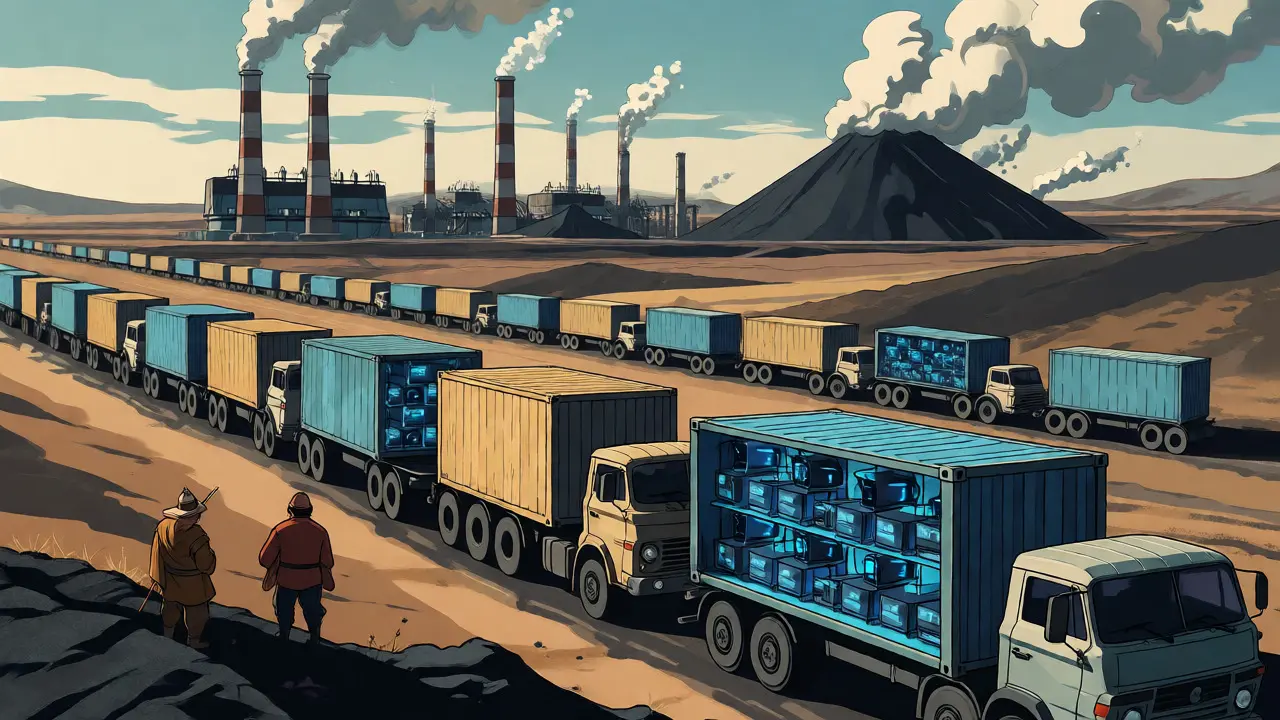
If you were looking for a place with cheap electricity and lax regulations in early 2021, Kazakhstan was the obvious answer. Almost immediately after the Chinese restrictions tightened, Kazakhstan became the primary beneficiary of the exodus. The country’s share of global mining power surged nearly six-fold, jumping from 1.4% in late 2019 to 8.2% by April 2021. By October 2021, reports indicated Kazakhstan had become the second-largest mining hub globally, briefly surpassing China.
Why Kazakhstan? Two main reasons: abundant coal and low costs. The country relies heavily on coal-fired power plants, which provided the stable, baseload electricity miners needed. Unlike solar or wind, which fluctuate, coal plants run 24/7, matching the constant demand of mining rigs. Additionally, the regulatory environment was initially very friendly. There were no immediate taxes on mining profits, and the government saw an opportunity to monetize its excess energy capacity. However, this rapid influx came with consequences. The sudden spike in demand strained Kazakhstan’s grid, leading to blackouts and forcing the government to eventually impose caps on mining power consumption. It was a classic case of success bringing its own set of problems.
| Country | Global Hashrate Share (Mid-2021) | Primary Energy Source | Regulatory Stance |
|---|---|---|---|
| United States | ~30% | Mixed (Wind, Solar, Gas) | Favorable (State-level) |
| Kazakhstan | ~18% | Coal | Initially Open, then Restricted |
| Russia | ~11% | Hydro, Gas | Ambiguous/Evolving |
| Canada | ~7% | Hydro, Nuclear | Stable/Regulated |
Texas: The Renewable Powerhouse
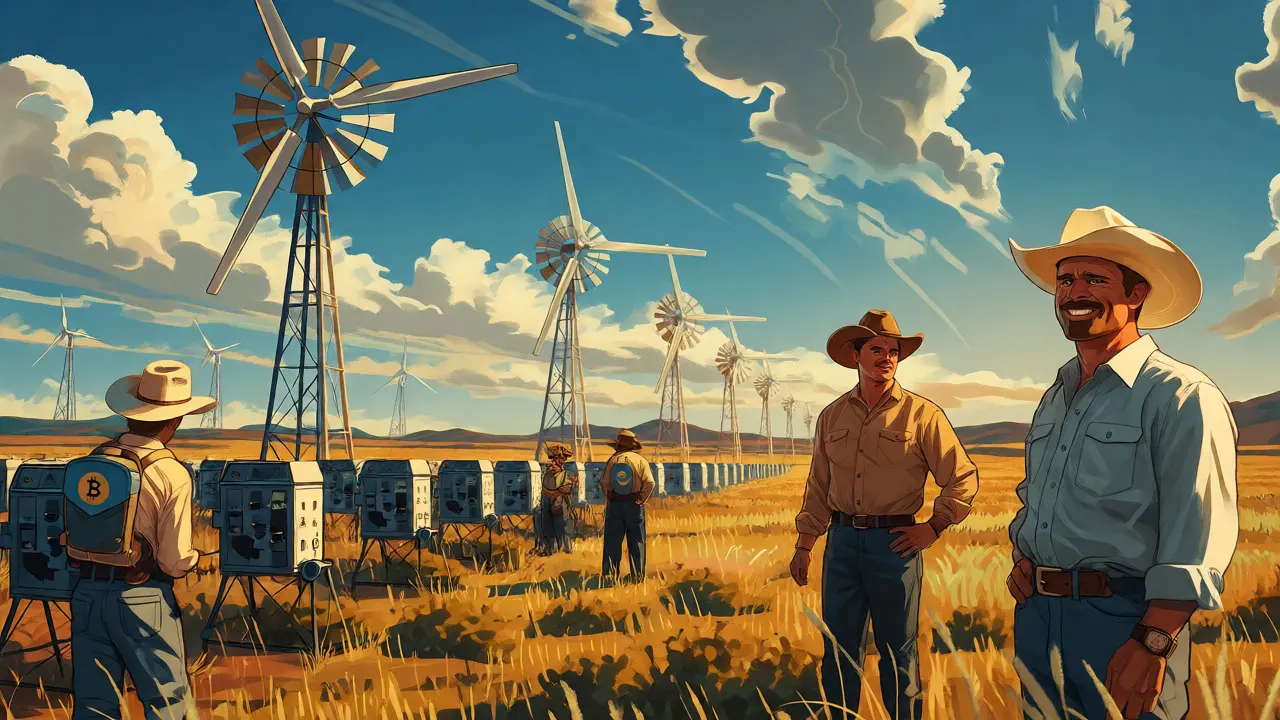
While Kazakhstan grabbed headlines with its explosive growth, the United States, specifically Texas, emerged as the most sustainable long-term winner. Texas didn't just offer cheap power; it offered a deregulated energy market that allowed miners to participate in grid balancing. When electricity prices spiked due to high demand, miners could shut down their rigs instantly, selling their power back to the grid. This made mining facilities valuable assets for grid stability rather than just burdens on the system.
Texas accounts for roughly half of the 5.2 gigawatts of Bitcoin mining capacity installed across the US. The state’s energy mix, which includes significant contributions from wind and solar, appealed to miners looking to improve their carbon footprint. Companies like Marathon Digital and Riot Platforms flocked to Texas, building massive facilities in West Texas where land is cheap and wind is plentiful. Unlike the coal-heavy setup in Kazakhstan, Texas miners could claim access to renewable energy sources, a crucial factor for institutional investors concerned about ESG (Environmental, Social, and Governance) criteria. The migration to Texas wasn't just about cost; it was about legitimacy and longevity.
The Ripple Effect: Russia and Beyond
Not all miners headed west. A significant portion stayed closer to home, relocating to Russia and other Central Asian nations. Russia benefited from similar advantages to Kazakhstan: cold climates that reduced cooling costs and abundant natural gas resources. Regions like Irkutsk, known for their hydroelectric power, saw a surge in mining activity. The proximity to China also made logistics easier for smaller operators who couldn't afford to ship containers across the Pacific.
However, these regions faced their own uncertainties. Regulatory clarity in Russia remained murky for some time, creating a risk premium for investors. Meanwhile, countries like Iran, which had already been attracting miners due to subsidized energy, saw increased scrutiny and occasional crackdowns. The lesson here is clear: while energy costs drive initial location choices, regulatory stability determines long-term viability. Miners are constantly weighing the trade-off between cheap, risky power and expensive, safe power.
Impact on Decentralization and Network Health
You might wonder if this mass movement hurt Bitcoin. Actually, it likely helped. Before the exodus, the concentration of mining power in one country posed a systemic risk. If China decided to turn off the switch completely, the network could have suffered severe delays or even stalled blocks. The geographic redistribution forced by the crackdown spread the hash rate more evenly across multiple jurisdictions. This decentralization makes the network more resilient to localized political or economic shocks.
Temporarily, the global hashrate dipped as equipment sat in transit. But once the rigs were plugged in elsewhere, the network recovered quickly. In fact, the resilience shown during this period strengthened confidence in Bitcoin’s infrastructure. It proved that the network doesn't rely on any single nation or company. The "Great Mining Migration" served as a stress test, and Bitcoin passed it with flying colors. Today, the distribution looks healthier, with North America holding a dominant but not overwhelming share, and diverse hubs in Europe, Asia, and South America contributing to the mix.
Key Takeaways for Investors and Enthusiasts
- Mobility is Key: Bitcoin mining infrastructure is highly portable. Regulatory changes can trigger rapid geographic shifts.
- Energy Dictates Location: Miners follow the cheapest, most reliable power. Coal favored Kazakhstan; renewables and market structures favored Texas.
- Decentralization Improved: The exodus reduced China's monopoly on mining, enhancing network security and resilience.
- Regulatory Risk Remains: Even favorable destinations like Kazakhstan eventually imposed limits. Continuous monitoring of local laws is essential for mining operations.
Frequently Asked Questions
Why did China ban Bitcoin mining?
China banned Bitcoin mining primarily to reduce energy consumption and promote financial stability. The government viewed mining as a threat to its monetary policy and wanted to curb the speculative bubble associated with cryptocurrencies. Additionally, mining consumed vast amounts of electricity, often from coal, which conflicted with China's environmental goals.
How much did China's mining share drop?
According to Cambridge Centre for Alternative Finance data, China's share of global Bitcoin mining power dropped from approximately 75.5% in September 2020 to under 20% by the end of 2021. This represents one of the largest geographical shifts in digital infrastructure history.
Which country replaced China as the top miner?
The United States, particularly Texas, eventually took the lead in total mining capacity. However, in the immediate aftermath of the Chinese ban, Kazakhstan experienced the most dramatic relative growth, briefly becoming the second-largest mining hub before the US solidified its position through sustained investment.
Did the mining exodus affect Bitcoin's price?
Yes, the announcement of the ban caused significant volatility. Initially, there was fear and selling pressure as uncertainty mounted. However, once the network adjusted and hashrate recovered, the price stabilized and continued its broader trend. The event demonstrated that while sentiment drives short-term price action, fundamental network health remains robust.
Is Bitcoin mining more decentralized now?
Generally, yes. The removal of China's dominant share has led to a more geographically distributed network. While the US holds a large portion, the presence of significant mining operations in Canada, Russia, Kazakhstan, and various European countries reduces the risk of any single jurisdiction controlling the majority of the hash rate.