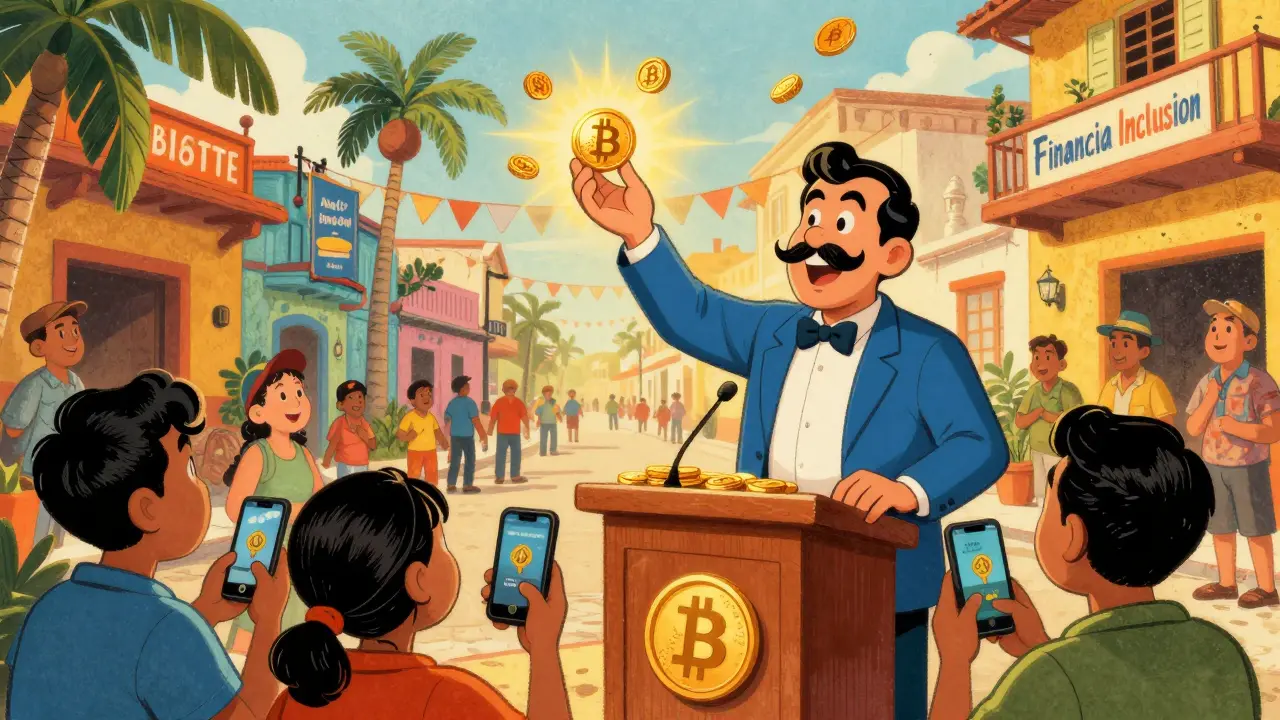
On September 7, 2021, El Salvador became the first nation on Earth to declare Bitcoin as legal tender alongside the US dollar. It was a bold move by President Nayib Bukele, promising financial inclusion and lower remittance costs. But if you think this experiment is still running at full speed, you’d be wrong. By January 2025, the country had effectively reversed course. The mandatory acceptance of Bitcoin was stripped away, leaving it as a voluntary tool for private transactions. So, what exactly happened? And what does this mean for anyone looking at El Salvador’s crypto landscape today?
The Hype vs. The Reality of the Launch
When the Bitcoin Law first took effect, the energy was electric. The government handed out $30 seed money to every citizen who downloaded the Chivo Wallet, a state-sponsored mobile application designed to facilitate Bitcoin payments. Within just one month, 3 million people-46% of the population-had downloaded the app. That number dwarfed the 29% of Salvadorans who had traditional bank accounts back in 2017. On paper, it looked like a massive win for financial inclusion.
But downloads don’t equal usage. The reality on the ground was starkly different. Only 12% of consumers actually used cryptocurrency for transactions in that first month. Even more telling, 93% of surveyed companies reported receiving zero Bitcoin payments. Why? Because Bitcoin is volatile. For a daily wage earner buying groceries or paying for gas, the risk of the currency dropping in value before they spend it is too high. Despite incentives like 20-cent-per-gallon discounts at gas stations, the trust simply wasn’t there.
Technical Glitches and Public Backlash
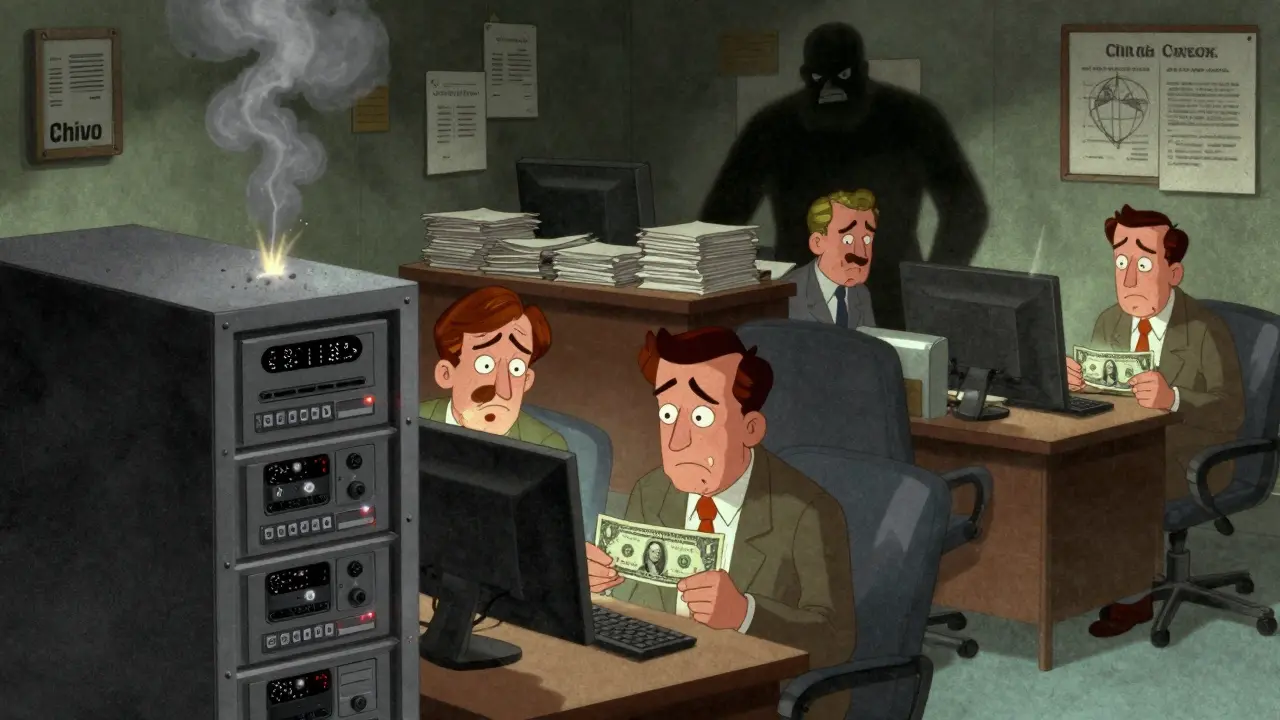
The launch day itself was chaotic. The Chivo wallet servers crashed almost immediately due to excessive load, forcing the government to take the app offline temporarily. At the same time, the price of Bitcoin crashed, causing El Salvador to incur a $3 million paper loss on its initial purchases. To make matters worse, over 1,000 protesters gathered outside the Supreme Court on day one, voicing concerns about volatility and economic stability.
These early technical failures chipped away at public confidence. Over time, security issues emerged, including hacking incidents involving the Chivo wallet. While the government tried to stabilize the situation by buying more Bitcoin to keep prices above $52,000, the everyday Salvadoran remained skeptical. They preferred the stability of the US dollar, which had been their official currency since 2001.
The IMF Pressure and the 2025 Policy Reversal
The turning point came not from within, but from international financial institutions. The International Monetary Fund (IMF), a global lender that provides loans to countries facing balance-of-payments problems, had long criticized El Salvador’s Bitcoin policy. The IMF argued that the lack of transparency regarding the government’s Bitcoin holdings and the risks associated with using such a volatile asset as legal tender threatened the country’s fiscal health.
In late 2024, El Salvador needed a lifeline. It secured a $1.4 billion loan agreement from the IMF, but there was a catch. As part of the deal, El Salvador had to modify its Bitcoin Law. On January 29, 2025, the Legislative Assembly voted 55-2 to pass new legislation. This modified law took effect on May 1, 2025. Here’s what changed:
- No Mandatory Acceptance: Businesses are no longer legally required to accept Bitcoin as payment.
- No Tax Payments: Citizens can no longer pay taxes or state bills using Bitcoin.
- Voluntary Use Only: Bitcoin remains legal tender in name only, but its use is confined to voluntary private sector agreements.
Economist Rafael Lemus summed it up bluntly: "Bitcoin no longer has the strength of legal tender." He noted that while the government tried to force adoption, it didn’t work. President Bukele himself admitted that introducing Bitcoin as an official currency was his administration’s "most unpopular" measure.
What Remains: The Strategic Bitcoin Reserve
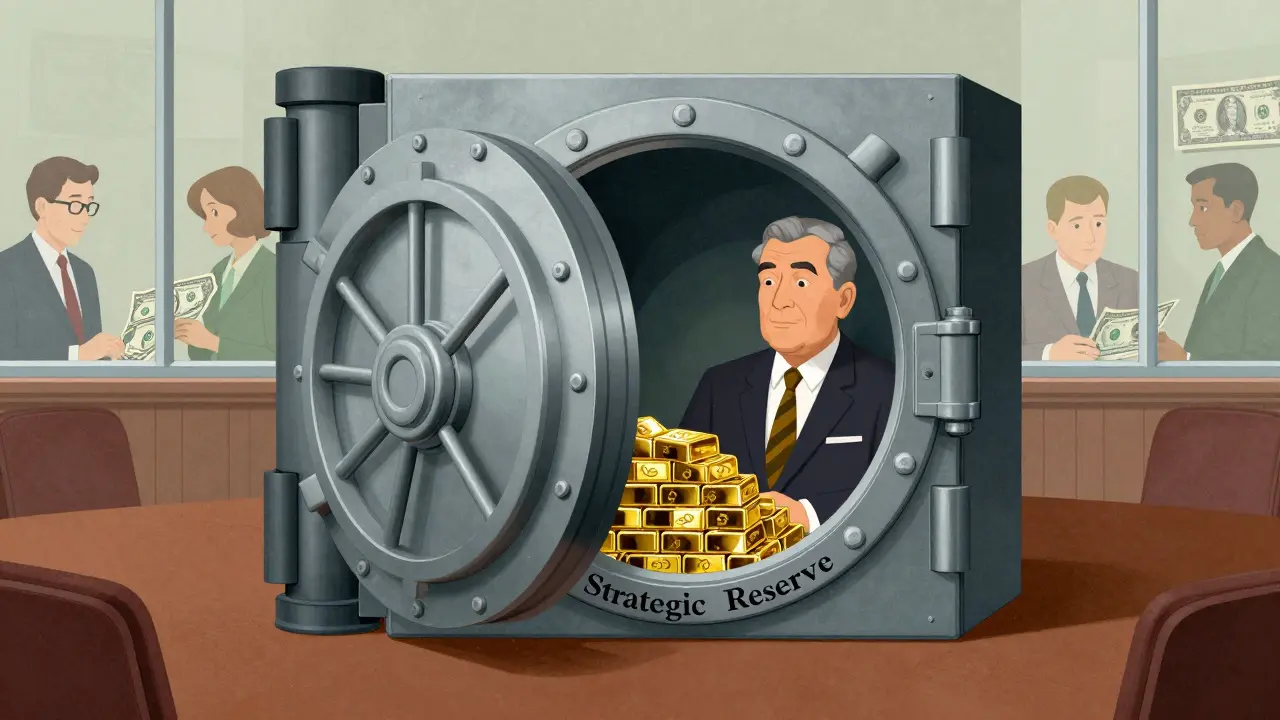
Even though the mandatory aspect of the law is gone, El Salvador hasn’t abandoned Bitcoin entirely. In fact, the government continues to invest heavily in it as a strategic reserve asset. As of early 2025, El Salvador held 688 Bitcoin in reserve, worth approximately $574 million, representing a profit of $287 million. By March 2025, the government expanded its holdings further, bringing the total Strategic Bitcoin Reserve Fund to 6,102 coins valued at around $500 million.
This shift shows a clear distinction between using Bitcoin as a medium of exchange for daily transactions versus holding it as a store of value. The government still believes in Bitcoin’s long-term potential, even if it acknowledges its limitations for everyday commerce. El Salvador also continues to position itself as a tech hub, hosting events like the PLANB Forum 2025, the largest crypto assets conference in Central America.
| Feature | Pre-May 2025 (Original Law) | Post-May 2025 (Modified Law) |
|---|---|---|
| Mandatory Business Acceptance | Yes | No |
| Tax Payments Allowed | Yes | No |
| State Bill Payments | Yes | No |
| Private Sector Usage | Mandatory if requested | Voluntary only |
| Government Investment | Active accumulation | Continued accumulation (Strategic Reserve) |
Why Did It Fail as a Daily Currency?
Several factors contributed to the low adoption rates. First, volatility. Bitcoin’s price swings make it risky for pricing goods and services. Merchants don’t want to risk losing value between the time they set a price and when they convert Bitcoin to dollars. Second, infrastructure. Many merchants struggled to adopt the necessary payment systems, and digital literacy remains a challenge in parts of the population.
Third, trust. The Chivo wallet’s technical glitches and security breaches eroded confidence. People prefer systems that work seamlessly and securely. When a system crashes on launch day or gets hacked, trust is hard to rebuild. Finally, the US dollar is deeply entrenched. Salvadorans are accustomed to its stability. Switching to a volatile asset for daily needs doesn’t offer enough benefit to offset the risk.
Lessons for Other Countries
El Salvador’s experiment serves as a cautionary tale for other nations considering adopting cryptocurrency as legal tender. It demonstrates that legal mandates cannot substitute for organic societal trust and adoption. You can’t force people to use a technology they don’t understand or trust, especially when it comes to their livelihoods.
The case also highlights the importance of gradual, market-driven adoption. Instead of top-down mandates, governments might focus on creating an environment where crypto-friendly businesses can thrive voluntarily. This approach allows market forces to determine adoption rates, rather than risking economic instability through forced implementation.
Moreover, the role of international financial institutions like the IMF cannot be ignored. Their skepticism reflects broader concerns about monetary policy stability. Countries seeking to integrate cryptocurrencies must navigate these relationships carefully, ensuring transparency and fiscal responsibility.
Current State and Future Outlook
Today, El Salvador sits in a unique position. It’s no longer forcing Bitcoin on its citizens, but it’s still betting big on its future value. The Strategic Bitcoin Reserve Fund acts as a hedge against inflation and a symbol of technological ambition. Tourism has increased, and the country attracts crypto enthusiasts and investors interested in its innovative stance.
However, the primary goals of boosting financial inclusion and improving the economy through Bitcoin usage were not met. Multiple assessments, including reports from The Economist in March 2025, concluded that the initiative brought more costs than benefits. The gap between technological capability and practical adoption remains wide.
For travelers or expats moving to El Salvador, this means you can still use Bitcoin if you find a merchant willing to accept it, but don’t expect it to be universal. You’ll likely rely on the US dollar for most transactions. The Chivo wallet is still available, but its utility is limited compared to its peak hype days.
Is Bitcoin still legal tender in El Salvador in 2026?
Technically, yes, but with major restrictions. Since May 1, 2025, businesses are no longer required to accept Bitcoin, and it cannot be used for tax or state bill payments. Its use is now strictly voluntary in the private sector.
Why did El Salvador change its Bitcoin law?
The change was a condition of a $1.4 billion loan agreement with the International Monetary Fund (IMF). The IMF pressured El Salvador to reduce fiscal risks associated with Bitcoin's volatility and lack of transparency.
Can I still use the Chivo wallet?
Yes, the Chivo wallet remains operational. However, its usage has declined significantly since the mandatory acceptance laws were removed. Many merchants no longer promote it, and public trust remains cautious.
How much Bitcoin does El Salvador hold?
As of early 2025, El Salvador held approximately 6,102 Bitcoin in its Strategic Bitcoin Reserve Fund, valued at around $500 million. The government continues to add to this reserve despite the policy reversal.
Did Bitcoin adoption help El Salvador's economy?
Most analyses suggest no. While tourism increased, the primary goals of financial inclusion and economic improvement were not achieved. Usage rates remained low, with 92% of Salvadorans not using Bitcoin for transactions by 2024.