You’ve probably seen the buzz around the Asian Fintech (AFIN) cryptocurrency project promising sustainable digital assets and an upcoming airdrop. The internet is flooded with claims about free tokens, green mining initiatives, and massive returns. But here is the hard truth: if you are looking for verified, official details on an Asian Fintech airdrop, you might be walking into a trap-or simply chasing ghosts.
As of mid-2026, there is no confirmed, widely recognized official airdrop program for AFIN listed on major reputable exchanges or primary blockchain explorers. This gap between hype and reality is dangerous. Many users lose funds by interacting with fake contracts or phishing sites pretending to offer these "free" tokens. In this guide, we will break down what AFIN actually is, why the airdrop information is scarce, how to verify if an opportunity is real, and the specific risks involved with low-liquidity tokens like this one.
What Is Asian Fintech (AFIN)?
To understand the airdrop hype, you first need to understand the asset itself. Asian Fintech is a cryptocurrency project that positions itself as environmentally conscious, aiming to bridge crypto with sustainability through its 'Green Bitcoin' initiative. The core promise is simple: allow users to participate in the crypto economy while being socially and environmentally responsible.
The project claims to utilize clean energy sources-solar, wind, and hydro power-for its mining operations. This aligns with the growing Environmental, Social, and Governance (ESG) trend in blockchain. However, marketing promises of "green" mining do not automatically translate to financial stability or security. The token has a total supply capped at 500 million AFIN, with a self-reported circulating supply of roughly 135 million tokens. These numbers sound substantial, but supply alone doesn't create value; demand and liquidity do.
The Truth About the AFIN Airdrop
Here is where things get tricky. You are likely searching for this article because you heard about a free token distribution. Let’s look at the facts from authoritative sources like CoinMarketCap, Binance, and CryptoRank.
- No Official Announcement: There is no record of a major, verified airdrop campaign for AFIN on leading crypto data aggregators.
- Liquidity Issues: Major platforms like Binance list the price of AFIN as $0 USD with zero trading volume. This indicates the token is either delisted, unlisted, or has negligible activity on centralized exchanges.
- Conflicting Data: While some smaller trackers might show a price (e.g., $0.0012), the lack of volume means you cannot easily sell these tokens even if you receive them.
If you see a website claiming you can claim free AFIN tokens right now, proceed with extreme caution. It is highly probable that this is a scam designed to drain your wallet or steal your private keys. Legitimate airdrops from established projects are always announced on official channels: verified Twitter accounts, official Discord servers, and main website blogs-not through random pop-ups or unsolicited emails.
How to Verify If an Airdrop Is Real
Since the landscape is murky, you need a checklist to protect yourself. Before connecting your wallet to any site claiming to distribute AFIN tokens, run through these steps.
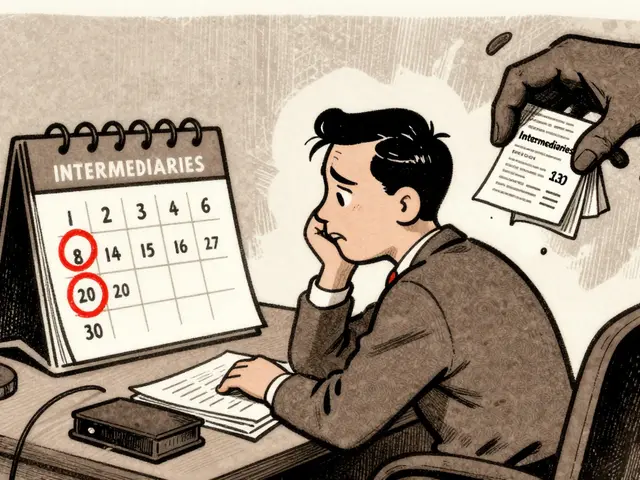
- Check the Source: Does the link come from the official Asian Fintech website? Check the URL carefully. Scammers often use domains like asiantech-airdrop.com instead of the legitimate domain.
- Verify on Blockchain Explorers: Look up the contract address provided. The known contract snippet is
0xee9e...f67a72. Paste the full address into BscScan or Etherscan (depending on the network). If the contract was created yesterday, it is likely a fake. - Look for Community Consensus: Go to Reddit or trusted crypto forums. Are real people discussing the mechanics of the airdrop, or is it just bots posting links?
- Never Share Private Keys: No legitimate airdrop will ever ask for your private key or seed phrase. They only need your public wallet address.
Market Reality: Price, Volume, and Risk
Let’s talk numbers, because they tell a different story than the marketing materials. According to data from CoinCodex, technical indicators showed a bullish sentiment in earlier periods, with predictions suggesting potential growth. However, current data from major exchanges paints a starkly different picture.
| Metric | Data Point | Risk Level |
|---|---|---|
| Current Price (Major Exchanges) | $0.00 USD | High |
| Trading Volume | Zero / Negligible | Critical |
| Total Supply | 500 Million AFIN | Neutral |
| Exchange Availability | Not on Binance/Coinbase | High |
| Historical Peak (INR) | ₹32.12 (Jan 2019) | N/A |
The discrepancy between historical peaks in 2019 and current zero-volume status is alarming. It suggests the project may have lost active development or community interest. When a token has no liquidity, you cannot convert it to cash. An airdrop of a token you cannot sell is essentially worthless paper.
Green Bitcoin and Sustainability Claims
A unique aspect of AFIN is its association with Green Bitcoin, which utilizes renewable energy sources such as solar, wind, and hydro power for mining operations. This concept appeals to eco-conscious investors who are tired of the carbon footprint associated with traditional Proof-of-Work mining.
However, "green" labels in crypto are often used as marketing fluff without third-party verification. To truly assess this, you would need to see:
- Audits from environmental certification bodies.
- Transparent energy consumption reports.
- Proof of reserve for the mining infrastructure.
Without these, the sustainability claim remains unverified. Do not invest based solely on ethical branding. Always check the underlying technology and economic model first.

How to Access AFIN Tokens (If You Still Want To)
If you have done your due diligence and still wish to acquire AFIN tokens, you will likely not find them on standard centralized exchanges. Instead, you may need to use Decentralized Finance (DeFi) protocols.
Binance offers guidance for purchasing obscure tokens via their Web3 Wallet. Here is the general process:
- Set Up a Web3 Wallet: Use MetaMask or Trust Wallet.
- Connect to a DEX: Navigate to a decentralized exchange like PancakeSwap or Uniswap, depending on which blockchain AFIN resides on (likely BNB Chain or Ethereum).
- Add the Token Contract: Manually input the verified contract address to add AFIN to your wallet watchlist.
- Swap Assets: Exchange ETH or BNB for AFIN. Be aware of high slippage fees due to low liquidity.
Warning: Swapping on decentralized exchanges for low-volume tokens carries significant risk. You might send money out but receive nothing back if the pool is empty or manipulated by developers.
Red Flags to Watch Out For
In the world of small-cap cryptocurrencies, scams are rampant. Here are specific red flags related to AFIN and similar projects:
- Honeypot Contracts: Some tokens allow you to buy but prevent you from selling. Always check the contract on tools like Tokenterminal or Honeypot.is.
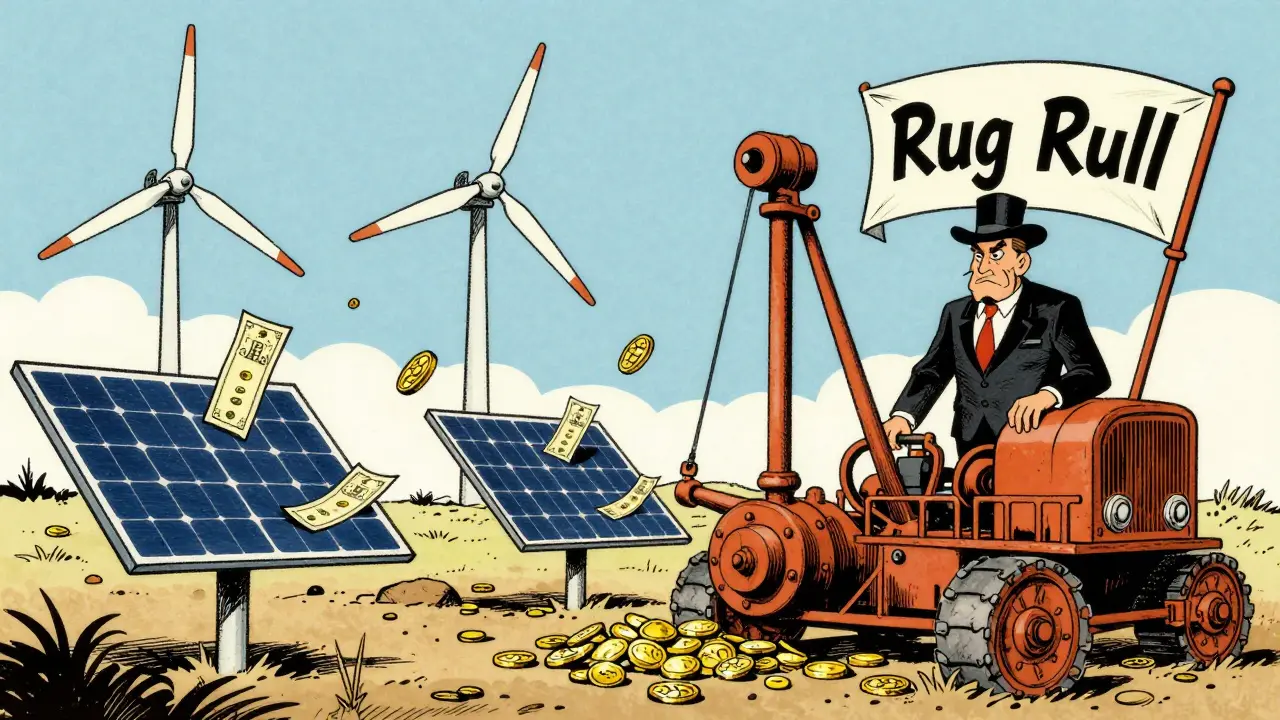
- Rug Pulls: Developers abandon the project and withdraw all liquidity. The sudden drop to $0 volume on major trackers is a symptom of this.
- Fake Airdrop Sites: Websites that mimic the official brand but ask you to connect your wallet to "claim" rewards. Once connected, they drain your assets.
Conclusion: Proceed with Extreme Caution
The Asian Fintech (AFIN) project presents a classic case of high-concept marketing meeting low-market reality. While the idea of sustainable crypto is noble, the execution appears lacking in transparency and liquidity. The absence of verified airdrop details on major platforms should be your biggest warning sign.
If you encounter an "AFIN Airdrop," assume it is a scam until proven otherwise by multiple independent, authoritative sources. Never rush to claim tokens. Protect your capital, verify your contracts, and remember that if something sounds too good to be true-like free money from an unknown token-it almost certainly is.
Is there an official Asian Fintech (AFIN) airdrop in 2026?
There is no verified information about an official Asian Fintech airdrop on major cryptocurrency tracking platforms like CoinMarketCap or Binance. Any claims of an active airdrop should be treated with extreme skepticism and verified through official project channels before participation.
Why is the price of AFIN showing as $0 on some exchanges?
The $0 price on major exchanges like Binance indicates that AFIN is not currently listed for trading on those platforms or has zero trading volume. This suggests severe liquidity issues, meaning the token may be difficult or impossible to sell even if you acquire it.
What is Green Bitcoin in the context of Asian Fintech?
Green Bitcoin refers to the project's claim of using renewable energy sources such as solar, wind, and hydro power for its mining operations. This is part of their ESG (Environmental, Social, and Governance) strategy to appeal to eco-conscious investors, though independent verification of these claims is limited.
How can I safely check if an AFIN airdrop website is legitimate?
To verify legitimacy, ensure the website URL matches the official project domain exactly. Check the smart contract address on blockchain explorers like Etherscan or BscScan. Never connect your wallet to unverified sites, and never share your private keys. Cross-reference announcements on official social media channels.
Can I buy AFIN tokens on Binance?
No, AFIN is not directly available for purchase or trade on Binance's centralized platform. Binance provides guidance for accessing such tokens only through their Web3 Wallet feature, which connects to decentralized exchanges (DEXs). This method carries higher risks due to lack of regulatory oversight and potential liquidity traps.
What is the total supply of AFIN tokens?
The total supply of Asian Fintech (AFIN) tokens is capped at 500 million. The circulating supply has been reported as approximately 135 million tokens, though actual availability for trading may be significantly lower due to liquidity constraints.