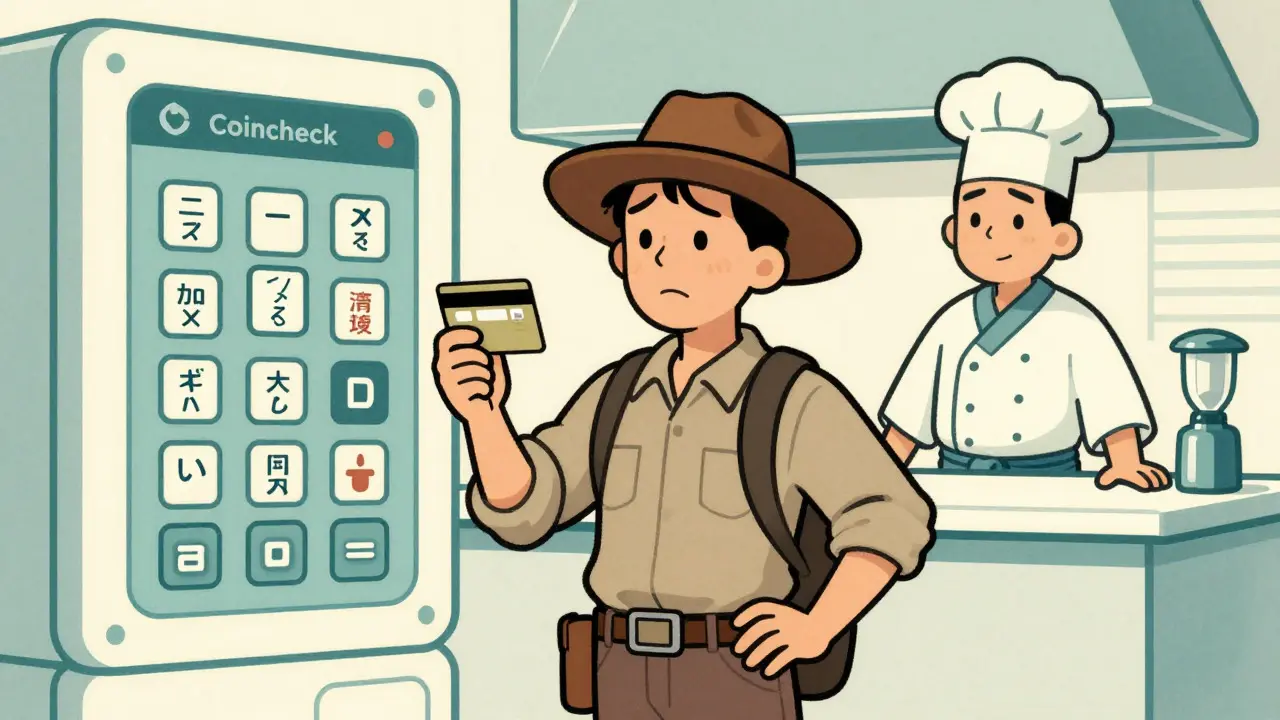
Imagine trying to use a high-tech kitchen where every button is labeled in a language you don’t speak. That’s exactly what using Coincheck feels like if you aren’t based in Japan. Founded in 2014 and owned by the massive Monex Group, Coincheck is one of Japan’s biggest cryptocurrency exchanges. It made headlines globally in 2018 after a hack stole $530 million worth of NEM tokens, but it bounced back hard. By 2025, it went public on NASDAQ, signaling a serious turnaround. But does that stock market success mean it’s the right place for your crypto portfolio?
If you are a resident of Japan with a local bank account, Coincheck is likely a top contender. If you are anywhere else in the world, you might want to keep scrolling. This review breaks down the reality of trading on Coincheck in 2026, looking past the marketing to see who actually benefits from this platform.
Who Is Coincheck Actually For?
Let’s get the most important factor out of the way first: location. Coincheck is built for the Japanese domestic market. While their website claims global accessibility, the user experience tells a different story. The interface, customer support, and documentation are predominantly in Japanese. Even though they offer English, Chinese, and Indonesian options, these translations often feel secondary or incomplete.
The platform serves over 30 cryptocurrencies, including major players like Bitcoin (BTC), Ethereum (ETH), Ripple (XRP), and Litecoin (LTC). It also supports trendy assets like SHIBA INU (SHIB) and ApeCoin (APE). However, compared to global giants like Binance, which lists over 350 coins, Coincheck’s selection is modest. This limitation isn’t accidental; it’s a result of Japan’s strict regulatory environment overseen by the Financial Services Agency (FSA).
| Feature | Details |
|---|---|
| Founded | 2014 |
| Owner | Monex Group |
| Regulation | Japan FSA Licensed |
| Listed On | NASDAQ (since 2025) |
| Supported Fiat | JPY, USD |
| Trading Types | Spot Only |
| Min Deposit | 10 USDT / 500 JPY order min |
If you are an advanced trader looking for leverage, futures, or complex charting tools, Coincheck will disappoint you. It offers spot trading only. No margin, no derivatives. It is designed for simplicity, not complexity. This makes it excellent for beginners who just want to buy and hold Bitcoin, but frustrating for anyone wanting to hedge their positions or trade actively.
Security: Learning from Past Mistakes
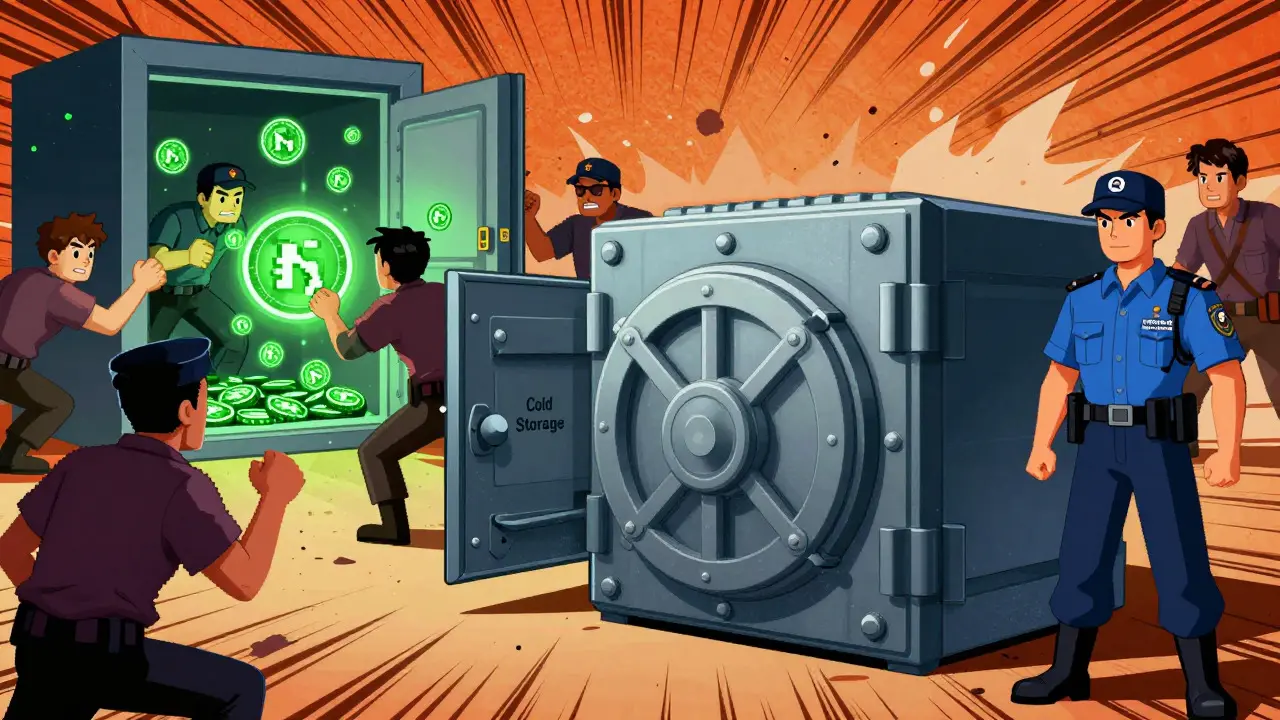
You can’t talk about Coincheck without mentioning the 2018 hack. It was a disaster. Hackers stole approximately $530 million in NEM tokens because they were stored in hot wallets (connected to the internet). At the time, it was one of the largest crypto heists in history. The company didn’t have insurance to cover it, so the parent company, Monex Group, stepped in to compensate users. That move saved their reputation.
Since then, Coincheck has completely overhauled its security. Today, they use a multi-layered approach:
- Cold Storage: The vast majority of user funds are kept offline, away from potential hackers.
- Two-Factor Authentication (2FA): Mandatory for all accounts.
- SSL Client Certificates: Adds an extra layer of encryption for web access.
- Biometric Login: Their mobile apps use fingerprint and face ID recognition.
- Auto-Logout: Sessions expire quickly if inactive.
In 2025, Coincheck’s security infrastructure is considered robust, especially within the context of Japanese regulations. The FSA requires rigorous audits and compliance checks, which Coincheck passes consistently. However, no exchange is immune to risk. Always remember that when you leave your crypto on an exchange, you are trusting their systems, not just holding your own keys.
Fees and Costs: What Will It Cost You?
Money matters. Let’s look at the fee structure. Coincheck is surprisingly generous with deposits and withdrawals within Japan. There are zero transaction fees for depositing or withdrawing Japanese Yen via bank transfer or convenience stores. This is a huge advantage for locals.
However, trading fees vary. Coincheck doesn’t publish a single flat rate. Instead, fees depend on the specific cryptocurrency you are trading. Generally, the spread (the difference between the buy and sell price) is wider than on competitive global platforms. For large institutional traders, this can eat into profits. For small retail investors buying $100 worth of Bitcoin, it might not matter much.
There are also emerging services with specific costs:
- Staking: Coincheck now offers staking for Ethereum. They take a 30% cut of the rewards, meaning you get 70%. Compare this to other platforms that might charge 10-15%, and it’s relatively expensive.
- Lending: You can lend crypto for up to 5% APY, depending on the asset and duration.
If you are moving money internationally, expect standard banking wire fees plus any conversion spreads. Coincheck primarily deals in JPY and USD. If you need to convert Euros or Pounds, you’ll likely face additional hurdles and costs.
User Experience and Mobile App
Coincheck’s web platform is clean and simple. It’s not cluttered with charts and indicators. You log in, select a coin, enter an amount, and buy. It’s almost too simple. For a beginner, this reduces anxiety. For a pro, it feels limiting.
Their mobile apps for iOS and Android are highly rated in Japan. They feature biometric security, real-time price alerts, and easy navigation. However, international users report inconsistent performance. Some features work better on the app than the desktop site, but again, the language barrier is the main culprit. If you can read Japanese, the UX is smooth. If you rely on auto-translate, you might miss critical warnings or updates.
Customer support is another pain point. There is no live chat. You have to submit tickets via email or phone. Response times vary wildly. Trustpilot ratings reflect this frustration, with a score of 1.8/5 based on recent reviews. Users complain about slow replies and difficulty resolving issues without speaking Japanese. REVIEWS.io shows a slightly better 2.8/5, but the sentiment is similar: great for locals, difficult for foreigners.
Coincheck vs. Global Competitors
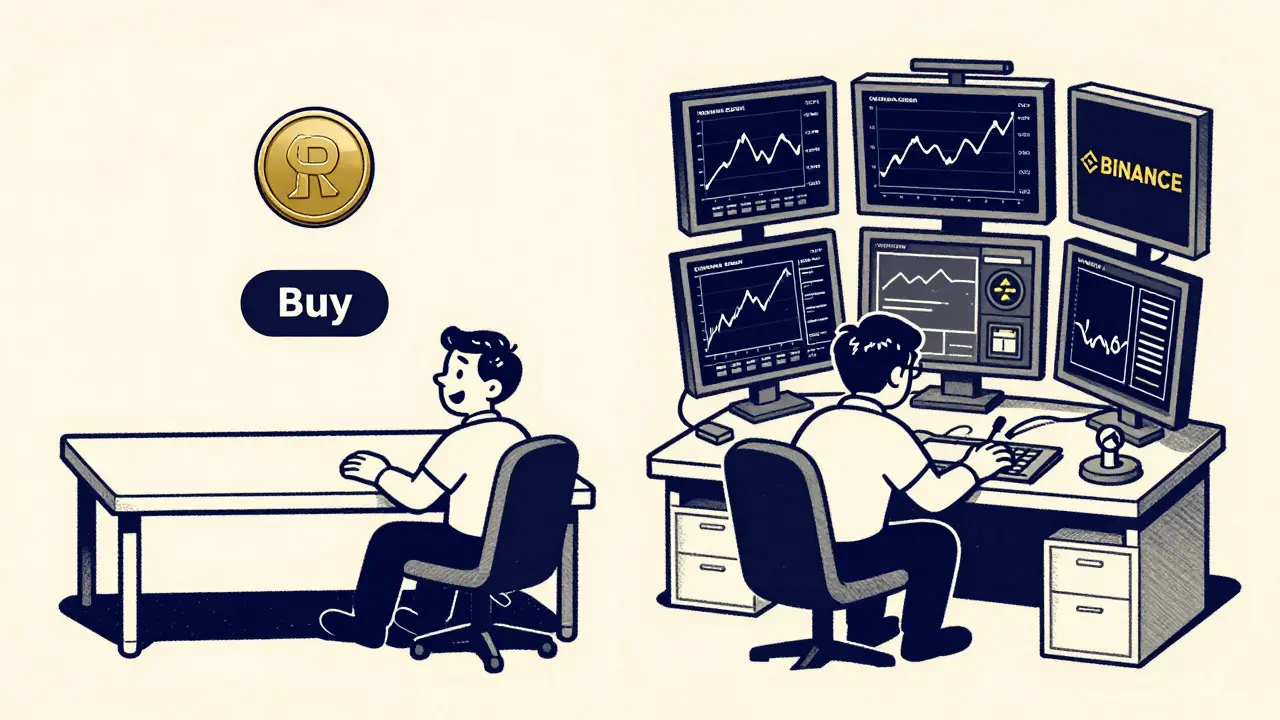
How does Coincheck stack up against the big names? Let’s compare it to Binance and Kraken, two of the world’s largest exchanges.
| Feature | Coincheck | Binance | Kraken |
|---|---|---|---|
| Crypto Selection | ~30 Coins | 350+ Coins | 200+ Coins |
| Advanced Trading | No (Spot Only) | Yes (Futures, Margin) | Yes (Futures, Margin) |
| Language Support | Japanese Primary | Multi-language | Multi-language |
| Regulation | Japan FSA | Global (Varies) | US/EU Compliant |
| Best For | Japanese Residents | Global Traders | Western Professionals |
Binance offers more coins, lower fees, and advanced tools. Kraken provides excellent security and strong Western regulatory compliance. Coincheck wins only in one area: seamless integration with the Japanese financial system. If you have a Japanese bank account and want to buy crypto instantly via convenience store payment, Coincheck is unbeatable locally.
Future Outlook: 2026 and Beyond
Coincheck is not standing still. In 2025, they expanded into NFTs and Web3 initiatives with "Coincheck Gas." They plan to add five more cryptocurrencies in 2026 and introduce limited English support for core functions. This suggests they want to grow beyond Japan, but slowly.
The Japanese crypto market is growing fast, expected to expand at a 14.3% CAGR through 2028. With 8.2 million active users in Japan, Coincheck has a solid home base. However, international expansion remains unlikely due to regulatory differences and the persistent language barrier. They are content being Japan’s second-largest exchange behind bitFlyer.
For the average investor outside Japan, Coincheck remains a niche option. It’s safe, regulated, and stable, but it lacks the features and accessibility needed for global competition. If you are in Tokyo, give it a try. If you are in Dublin, New York, or Sydney, stick to exchanges that cater to your region.
Is Coincheck safe to use in 2026?
Yes, Coincheck is considered safe. After the 2018 hack, they implemented cold storage, 2FA, and strict FSA compliance. They are publicly traded on NASDAQ, which adds a layer of corporate accountability. However, always use strong passwords and enable all security features.
Can I use Coincheck if I live outside Japan?
Technically yes, but it is difficult. The interface is mostly in Japanese, customer support is limited for non-Japanese speakers, and depositing fiat currency can be challenging without a Japanese bank account. Most international users find better experiences on global exchanges like Kraken or Coinbase.
What are the fees on Coincheck?
Deposits and withdrawals in JPY are free within Japan. Trading fees vary by coin and are generally higher than global competitors due to wider spreads. Staking Ethereum incurs a 30% fee on rewards. Check the current fee schedule on their website before trading.
Does Coincheck offer margin or futures trading?
No. Coincheck only offers spot trading. If you want to trade with leverage or use derivatives, you will need to use a different exchange like Binance, Kraken, or BitFlyer (another Japanese exchange that offers more advanced features).
How does Coincheck compare to bitFlyer?
bitFlyer is Japan’s largest exchange and offers more advanced trading features, including futures. Coincheck is simpler and more beginner-friendly but has fewer features. Both are FSA-regulated and safe, but bitFlyer is better for experienced traders, while Coincheck suits casual investors.


Comments (19)
Hamza k
Oh, the tragedy of trying to navigate a digital marketplace that speaks only in kanji! It is like trying to order sushi in a language you don't know while wearing oven mitts. The article makes it painfully clear that unless you are sitting in Tokyo sipping green tea, this platform is essentially a brick wall for the rest of us. I mean, really? A NASDAQ listing doesn't fix the fact that their English support is basically decorative confetti on a disaster zone. It’s dramatic, it’s frustrating, and it’s a total mess for anyone outside Japan.
Kim Kay
i think people forget how hard it is to switch exchanges if you dont have a local bank account here in japan lol but yeah for everyone else just stick to binance or kraken its so much easier trust me i tried coincheck once and my head hurt from reading the menus
Brad Semp
One must consider the regulatory framework with a degree of sophistication often lacking in these casual online discourses. While the article posits that Coincheck is merely 'simple,' one might argue that simplicity is a virtue in an era of chaotic financial instruments. However, the pretense of global accessibility without genuine linguistic parity is intellectually dishonest. The FSA regulations are stringent, yes, but they also stifle innovation. For the discerning investor, the lack of derivatives is not a feature; it is a defect of a market that refuses to evolve beyond the pedestrian spot trade.
Korn Arrieta
The data is irrefutable. The 2018 hack was a systemic failure of basic security protocols. Hot wallets for significant assets? Amateur hour. Monex Group bailed them out, sure, but that's corporate cover-up, not user protection. The current cold storage setup is standard industry practice now, not a breakthrough. The 30% staking fee is predatory. They are taxing ignorance. If you are paying 30% in fees on Ethereum staking, you are not investing; you are donating to Monex's profit margin. The spread is wide because they know retail users are too lazy to compare rates. It is a tax on convenience for locals who cannot be bothered to learn about better platforms.
Jackie D
wait, did anyone else notice that the mobile app actually works better than the desktop site? i know the reviews say its bad but i found the biometric login super smooth. maybe its just me but i feel like the interface is cleaner than some other apps i use. does anyone else think the english translation is getting slightly better? or am i just imagining things? 🤔
Ruth Williams
It is quite amusing to observe the sheer naivety of those who believe a NASDAQ listing equates to operational excellence for international clients. The reality is stark: Coincheck is a provincial entity masquerading as a global player. The language barrier is not merely an inconvenience; it is a deliberate exclusionary tactic born of regulatory comfort. To suggest that 'limited English support' coming in 2026 is a viable strategy for expansion is laughable. One requires precision, clarity, and immediate access to funds. Coincheck offers none of these to the non-Japanese demographic. It is a relic, comfortable in its domestic bubble, and utterly unfit for the sophisticated international trader.
Sophie Nakasako
I wonder what the philosophical implications are of relying on a platform that prioritizes local convenience over global inclusivity. Is it possible that the 'simplicity' mentioned in the review is actually a form of cognitive ease that prevents users from engaging with the complexity of true decentralized finance? Perhaps we should view Coincheck not as a tool, but as a mirror reflecting our own desire for safety over freedom. What do you all think? Does the lack of advanced trading features make us more passive investors, or does it protect us from our own greed?
Kristy Morrow
everyone says binance is better but have you considered that regulation is actually good? coincheck is safe because it is boring. boring is good. why do people want leverage when they cant even manage their spot trades properly. the hack was long ago. move on. the future is slow and steady. maybe the language barrier keeps out the scammers who dont speak japanese. think about that.
John Harman
Look, let's cut the fluff. If you're not in Japan, this exchange is useless. Period. The fees are garbage compared to Kraken. The selection is tiny. The support is non-existent for foreigners. I've been trading since 2013 and I've never seen a platform so optimized for a single country that it becomes a joke everywhere else. Just use Coinbase or Kraken and save yourself the headache. Don't let the NASDAQ listing fool you into thinking they care about your experience. They don't.
Antony Lopez
American traders need to stop looking at foreign exchanges that can't even handle basic communication. We have superior infrastructure here. Why would you risk your capital on a Japanese platform with spotty English support when US-based options are robust and regulated by agencies that actually understand our market? It's about economic sovereignty. Stick to platforms that respect the dollar and our legal frameworks. Coincheck is fine for Tokyo, but keep it away from American portfolios.
Kat Barr
oh hey guys! 👋 i just wanted to say that even though the review sounds kinda harsh, i think every platform has its place! 😊 if you live in japan, coincheck is probably amazing for you! 💖 don't be too hard on them for being local-focused! plus, the biometric login is so cool and secure! 🔐 let's all be kind and supportive of different financial tools! ✨🚀
Logan Edmison
i mean its interesting how they bounced back from the hack. most companies would have folded. but yeah the fees are high. i tried to stake eth there and lost like 30 percent of the rewards which sucked. maybe its worth it for the peace of mind tho? idk feels like paying for insurance you dont need.
Michelle Walker
The analysis is flawed. The 30% staking fee is not just expensive; it is exploitative. The lack of futures trading renders the platform obsolete for serious arbitrageurs. Do not fall for the 'beginner-friendly' marketing. It is a trap for the uninformed. Move your assets to a platform with depth and liquidity. Coincheck is a dead end.
Shay Thomson
Wow, reading through these comments, it seems like there is a lot of passion here! On one hand, we have the pragmatists pointing out the obvious geographical limitations, and on the other, we have the optimists seeing potential in the security improvements. It’s a beautiful tapestry of opinion! Let’s remember that crypto is a journey, and sometimes taking the scenic route through a Japanese exchange might teach us something valuable about patience and localization. Or maybe not. Either way, let’s keep the dialogue open and respectful!
DJ Maleko
Hey @Hamza k, you called it a disaster zone, but have you actually checked their latest NFT initiatives? 🎨 I feel like you’re missing the bigger picture here. The integration with Web3 via 'Coincheck Gas' is huge. Maybe you’re just stuck in the past focusing on the 2018 hack instead of where they are going in 2026. Don’t let your drama blind you to innovation! 🚀💡
Erika Pozzetto
In light of the aforementioned considerations regarding the regulatory environment and the specific nuances of the Japanese financial sector, it becomes evident that the utility of Coincheck is intrinsically linked to the geographical location of the user. Furthermore, the historical context of the 2018 security breach, while significant, must be viewed through the lens of subsequent remedial actions taken by the parent company, Monex Group. Therefore, for individuals residing within Japan, the platform offers a degree of stability and compliance that may not be readily available elsewhere, whereas for international users, the barriers to entry remain substantial and perhaps insurmountable without considerable effort.
Russ Fincham
The formal structure of the review hides the casual reality of using this exchange. You pay more, you get less, and you wait longer. It is a simple equation. The 'robust' security is just standard cold storage which every decent exchange has had for years. The real issue is the attitude of the company. They are content being second best in Japan and don't care about the world. That is a toxic business model for anyone outside their borders.
Linda Hilliard
Let’s dissect the jargon here. 'Spot only' is a euphemism for 'retail purgatory.' The alpha-2 country code limitation is real. If you are not JPY-native, you are dealing with conversion spreads that will bleed your portfolio dry before you even execute a trade. The NASDAQ listing provides a veneer of legitimacy, but the underlying mechanics are archaic. Use proper terminology: Coincheck is a fiat-on-ramp for Japanese citizens, nothing more. Do not conflate accessibility with usability. 📉
Winston Lacewing
This whole thread is a moral failing of the community! 🙄 You people are so quick to judge a platform based on its language settings. Where is the empathy? Where is the understanding of cultural differences? Coincheck serves its people well, and that is what matters! The 2018 hack was a lesson learned, not a life sentence. Stop being so aggressive and elitist! We need more unity in crypto, not more division based on geography! 😡👏